


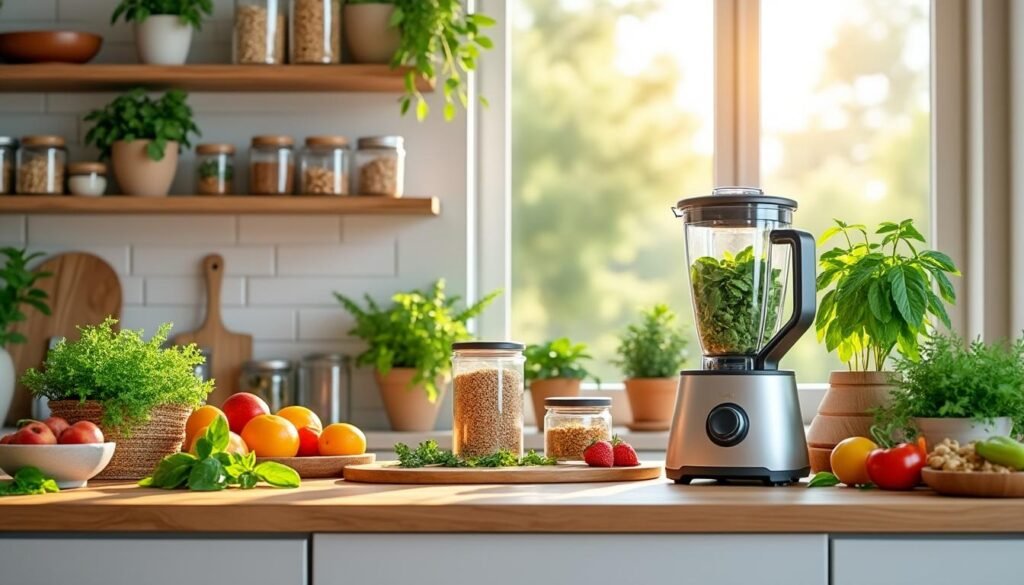
The kitchen is the heart of any home where meals are crafted, memories are made, and health journeys begin. Yet, a cluttered, disorganized kitchen often becomes a barrier to maintaining nutritious eating habits. Embracing simple, transformative strategies in your kitchen setup can effortlessly shift your routine toward healthier choices. By integrating the right tools and techniques—guided by expert dietitians and nutritionists—you can transform your kitchen environment into one that naturally invites balanced eating. From streamlining storage solutions to stocking wholesome staples, the key to effortless healthy eating lies in creating a space that supports both your culinary creativity and wellness goals.
Optimizing Kitchen Storage to Encourage Consistent Healthy Choices
One of the primary ways to encourage effortless healthy eating is by designing your storage systems to simplify cooking and meal preparation. A well-organized kitchen storage setup minimizes decision fatigue and creates physical and mental space for mindful eating.
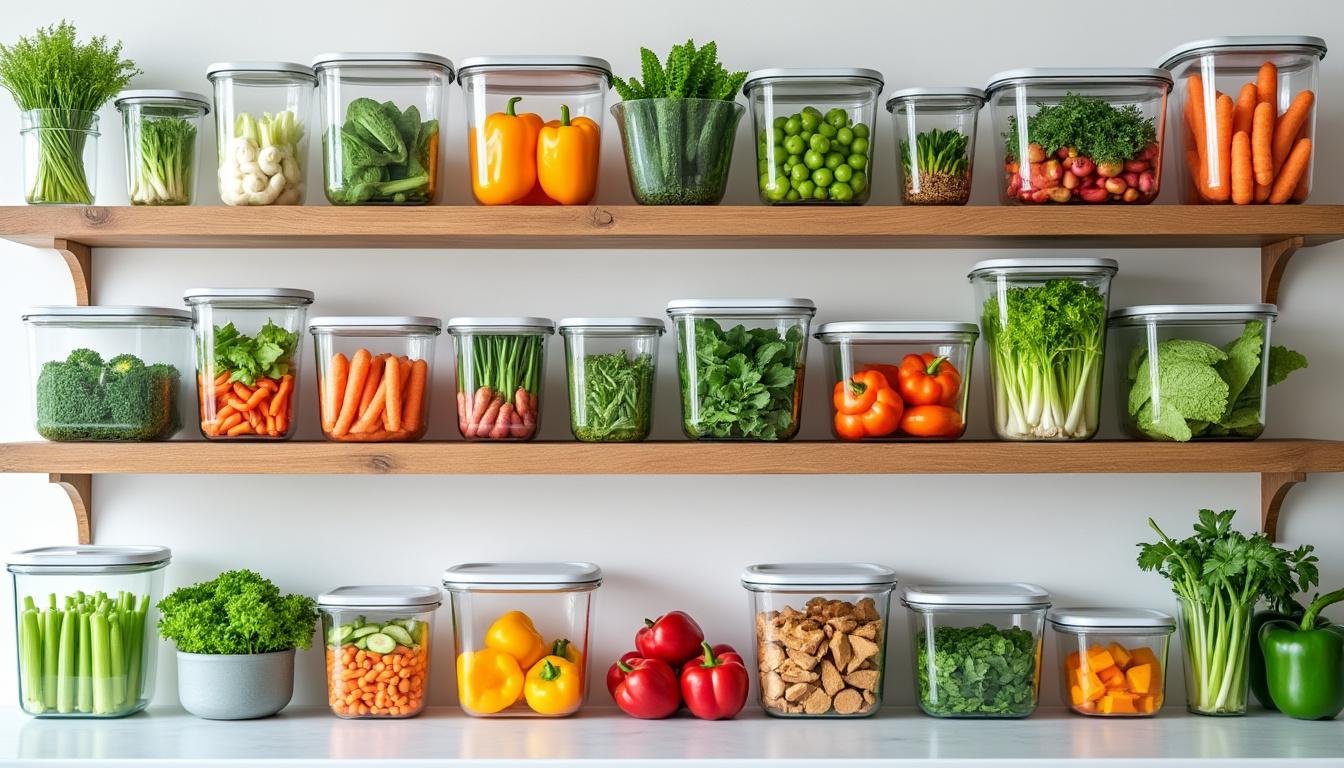
Nutritionist Carrie Lupoli emphasizes the importance of a storage container audit, advocating for keeping only the containers you actually use. Prioritizing glass containers over plastic ones is critical not only for health reasons but also for durability and sustainability. Glass containers reduce exposure to harmful chemicals often found in plastics and minimize surface bacteria growth, making them ideal for storing fresh meal components. A practical kitchen setup might involve pairing each container’s top and bottom, which facilitates immediate storage of leftovers, preventing food waste and promoting portion control right after cooking.
Smart storage extends beyond containers. When pantry and fridge shelves are arranged thoughtfully, your healthiest foods become the default choices. Placing colorful fresh produce, lean proteins, and wholesome snacks such as nuts and seeds at eye level keeps them within easy reach and top of mind. Such arrangement leverages an important psychological principle: humans tend to reach for items that are most visible. For instance, instead of hiding Greek yogurt behind condiment bottles, position it front and center to fuel your body with nutrient-dense options.
- Conduct a storage container audit: Eliminate duplicates and opt for glass containers that are easy to clean and durable.
- Pair lids and bases: Keep containers together for easy leftover storage and meal prep.
- Designate zones for food types: Allocate specific areas for produce, proteins, and snacks for quicker access.
- Use clear bins or labels: Help identify contents and avoid forgotten foods going to waste.
- Arrange pantry staples by frequency: Keep frequently used items like oats, nuts, and canned beans within arm’s reach.
Taking advantage of modern kitchen appliances such as the Vitamix, KitchenAid stand mixer, and Instant Pot can also streamline your cooking process by reducing prep time. Stocking your kitchen with these convenient tools transforms meal preparation from intimidating to enjoyable, encouraging frequent healthy cooking at home.
The thoughtful placement of containers also enhances kitchen aesthetics and boosts motivation to cook more often. According to research showcased on FitOn, streamlining storage boosts not only efficiency but also helps align kitchen habits with health goals more seamlessly in day-to-day routines.

Stocking the Right Ingredients: Building a Pantry that Supports Healthy Meal Creation
To effortlessly eat healthily, the ingredients available at home need to inspire creativity without overwhelming you. A thoughtfully composed pantry stocked with versatile, nutrient-rich staples can serve as your secret weapon, especially on busy days.
Registered dietitian Avery Zenker recommends having a mix of shelf-stable and frozen foods readily accessible. Shelf-stable items such as canned beans, quinoa, nuts, seeds, and whole grains are excellent choices because they have a long shelf life and can be the foundation of many meal ideas. Canned beans can be quickly added to salads, soups, or grain bowls, providing plant-based protein and fiber to keep you satiated.
Frozen options like vegetables, fruits, and even pre-portioned lean meats allow you to whip up a nutritious meal even when fresh produce is lacking or time is tight. Frozen veggies retain their nutrient content effectively, making them convenient and healthy staples to keep on hand.
Moreover, organizing your pantry to make the most used foods visible and easily reachable reduces effort and decision fatigue. To elevate your seasoning game and make cooking more exciting, creating custom seasoning blends, as Zenker suggests, can significantly speed up the process. Combining popular seasonings such as garlic powder, smoked paprika, cumin, and a pinch of sea salt into one jar makes it effortless to add flavor without reaching for multiple containers.
- Stock shelf-stable staples: Beans, oats, nuts, whole grains, dried herbs, and canned tomatoes.
- Include frozen vegetables and fruits: To add nutrition quickly with no prep time.
- Create custom seasoning blends: Save time and introduce exciting flavors to your meals.
- Cycle pantry inventory regularly: Use items before expiration and replenish with fresh stock.
- Label pantry storage areas: Helps everyone in the household easily find and put away ingredients.
Shopping habits evolve along with the pantry. This year, more consumers continue to turn toward stores like Whole Foods Market for clean, organic pantry essentials. The trend is toward buying less processed, more wholesome ingredients that support gut and overall health. This shift matches insights shared on Yahoo Lifestyle that highlight how the modern healthy kitchen balances indulgence with nutrition without sacrifice.
Enhancing Meal Prep Efficiency with Smart Labeling and Appliance Integration
Effective meal preparation often hinges on the integration of smart kitchen appliances and a disciplined system for managing leftovers and frozen items. Food waste and forgotten leftovers pose significant challenges to maintaining healthy eating habits. Labeling frozen goods and leftovers systematically can revolutionize how one approaches meal prep.
Avery Zenker strongly advocates labeling food with both contents and date. This practice helps to optimize freezer space usage and prevents the unwanted scenario of consuming food past its prime. Labeling increases the likelihood that meals prepared in advance will get consumed in a timely manner, reducing waste and saving money.
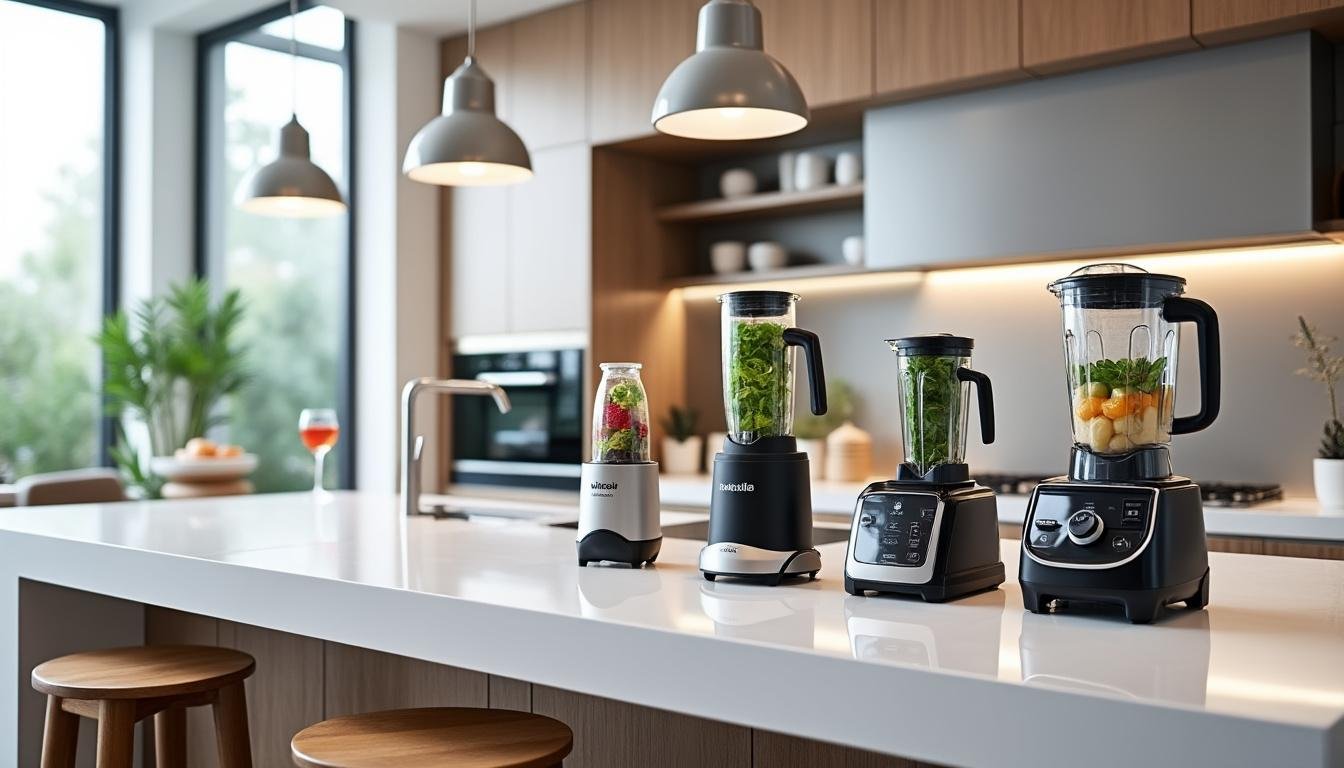
The rise of multifunctional kitchen devices is reshaping cooking routines. Gadgets like the Breville smart oven and the Ninja air fryer offer versatility and speed, adapting to various cooking styles and recipe complexities. Meanwhile, tools such as the Cuisinart food processor and NutriBullet blender facilitate preparation of fresh ingredients, from smoothies to chopped veggies, further flattening the path toward quick, wholesome meals.
Integrating these appliances thoughtfully into your kitchen workflow promotes consistent meal prep and reduces reliance on takeout or highly processed foods. It turns cooking into a more manageable part of daily life. Additionally, apps tracking nutrition and activity, like those compatible with Fitbit, provide holistic support, connecting healthy meal choices with fitness goals. Such technology intersections are reshaping modern habits, empowering users in 2025 to maintain balanced lifestyles seamlessly.
- Label leftovers and frozen foods: Include name, portion size, and date of storage.
- Incorporate multifunctional appliances: Use devices like Instant Pot and Ninja air fryer for quick healthy meals.
- Prep ingredients using food processors and blenders: Reduce manual work and speed up prep times.
- Track nutrition with fitness apps: Sync meals and activity data through devices like Fitbit.
- Set regular meal prep days: Plan and cook ahead to avoid last-minute unhealthy decisions.
For more on integrating kitchen appliances with nutrition goals, visit Dr. Lisa Young’s expert advice on kitchen redesign focusing on healthy eating.
Utilizing Psychological Principles and Kitchen Layout to Reinforce Healthy Eating Habits
Designing a kitchen that fosters healthy eating is not only about tools and storage but also about creating an environment that supports positive eating behaviors through psychological nudges and efficient layouts.
Cognitive science tells us that the easier it is to access healthy foods, the more likely we are to choose them. Positioning fresh items and snack-friendly vegetables in prominent, easy-to-reach locations can steer eating behaviors subconsciously. This is more effective than relying solely on willpower to avoid less healthy temptations.
Kitchen layouts that isolate indulgent treats from daily snacks also play a role. For example, keeping sweets and high-calorie snacks in hard-to-reach cabinets or containers labeled “treats” helps reduce mindless snacking. Instead, making healthier options part of everyday visibility encourages gradual habit formation.
Furniture placement and lighting contribute to the overall atmosphere, influencing mood and motivation to cook. A bright, well-ventilated kitchen with ample counter space invites a relaxed cooking experience. Investing in ergonomic tools such as Oxo utensils simplifies meal preparation for all skill levels, promoting sustained healthy cooking habits.
- Arrange fresh produce at eye level: Increase healthy snack intake.
- Keep indulgent foods out of immediate reach: Create a barrier to mindless eating.
- Optimize kitchen lighting and ventilation: Enhance mood and cooking appeal.
- Use ergonomic kitchen tools: Increase cooking comfort and efficiency.
- Create dedicated prep zones: Enable smooth transitions between cooking stages.
For further insights on psychological strategies to build healthy habits within the home environment, explore resources at Thrive Better.
Incorporating Routine and Technology to Maintain Long-Term Healthy Kitchen Habits
Consistent healthy eating habits emerge from a combination of environmental setup and daily routine, amplified by supportive technology. Establishing clear kitchen routines reduces stress around meal times and maintains momentum for nutritious choices.
Adopting a weekly meal planning routine fits well alongside maintaining an organized kitchen. Pre-planning meals ensures balanced nutrition and eliminates the pressure of last-minute decisions. Utilizing digital tools—such as recipe apps integrated with kitchen devices—can inspire creativity while keeping nutrition tracking seamless.
Wearable tech like Fitbit empowers individuals to link physical activity with nutrition. When users see real-time feedback on their dietary choices and movement, it motivates them to maintain consistency. This holistic connection creates a positive feedback loop reinforcing healthy behaviors.
Regular kitchen maintenance habits, such as decluttering countertops daily and weekly pantry checks, preserve order and prevent the resurgence of chaos. When your kitchen environment remains inviting and functional, cooking and eating healthily become second nature rather than a chore.
- Develop a weekly meal planning habit: Plan diverse, nutrient-rich meals ahead.
- Leverage technology integration: Use apps connected to devices like KitchenAid mixers or NutriBullet blenders for recipe inspiration.
- Combine fitness tracking and nutrition logging: Use Fitbit-compatible platforms for comprehensive wellness support.
- Maintain kitchen order with daily tidying rituals: Keep surfaces clear and ingredients organized.
- Schedule monthly pantry and fridge audits: Prevent expired food clutter and promote mindful shopping.
Those aiming to deepen their understanding of sustainable healthy kitchen practices may find valuable tips in the article from ELLEM, which explores easy steps for ongoing healthy cooking success.
Frequently Asked Questions about Transforming Your Kitchen for Healthy Eating
How can I start organizing my kitchen to promote healthy eating without getting overwhelmed?
Begin with small areas like your fridge or a single pantry shelf. Remove expired items, group similar foods together, and prioritize placing fresh produce and healthy snacks where you can easily see and reach them. Incremental changes build momentum without overwhelming you.
What are some must-have kitchen appliances for making healthy cooking easier?
Essential appliances include a high-powered blender like the NutriBullet or Vitamix, a multi-functional cooker like the Instant Pot, and a reliable mixer such as the KitchenAid. These tools reduce prep time and allow for versatile cooking and blending options.
How can labeling frozen foods and leftovers help maintain healthy eating habits?
Labeling with contents and dates prevents confusion, reduces food waste, and makes it easier to grab nutritious meals quickly. It also encourages mindful consumption and effective use of meal prep.
Can psychological strategies really make a difference in eating habits?
Yes, the environment significantly influences behavior. Placing healthy foods at eye level and keeping indulgent snacks out of reach subconsciously encourages better choices. Light and workspace design also impact motivation to cook and eat well.
What role does technology play in supporting a healthy kitchen environment?
Technology—from smart cooking appliances to wearable devices like Fitbit—facilitates meal prep, tracks nutrition and activity, and provides motivation through integrated feedback, making healthy eating more manageable and engaging.