


Smart Strategies for Healthy Summer Snacking to Keep Kids Energized
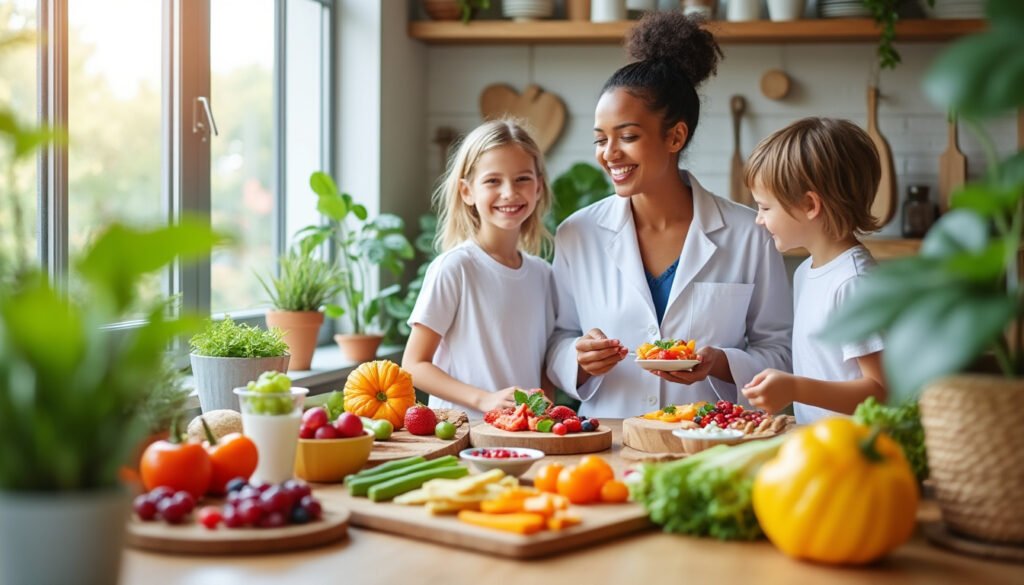
Maintaining healthy eating habits during the summer can be challenging for families, especially with kids out of school and enjoying longer, more active days. However, as highlighted in this Thursday Health Update, healthy snacking doesn’t have to take a break just because the routine shifts. Dietitian Shannon O’Meara from Orlando Health Center for Health Improvement emphasizes that pairing protein with fiber-rich foods is an effective way to keep children feeling full and energized between meals. This method reduces sudden hunger pangs and helps sustain their energy for play and learning activities.
For example, simple snacks like apple slices paired with peanut butter provide both fiber and protein, making them satisfying and nourishing. Other excellent combinations include nuts and seeds alongside fresh fruits or vegetables, or a small serving of cottage cheese with whole grain crackers. By focusing on nutrient-dense foods such as beans, milk, yogurt, lean meats, fruits, vegetables, and whole grains, parents can create balanced snacks that foster healthy growth.
If a family member has raised cholesterol, parents may want to consider whether is Cholibrium worth it? as part of a wider diet-and-lifestyle plan guided by a clinician.
One successful habit is prepping snacks soon after grocery shopping—cutting vegetables into sticks or portioning fruits so they are easy to grab when hunger strikes. This strategy prevents kids from reaching for less nutritious options out of convenience. The key is making nutritious choices accessible and easy, transforming healthy eating from a chore into a seamless routine that fits the relaxed pace of summer.
Dietitians recommend involving children in snack preparation, which helps teach them the benefits of healthy snacks and encourages autonomy in their eating decisions. For instance, creating DIY snack kits or assembling fun-themed options such as “ants on a log” (celery with peanut butter and raisins) can engage kids and make nourishing foods more appealing. These approaches not only support physical health but also reinforce positive attitudes toward food.
This focus on smart snacking aligns with practical advice shared by experts in various health outlets such as 6 Healthy Summer Snacking Tips from a Dietitian, which stress hydration and balanced nutrition as core to summer wellbeing for children. Parents navigating the summer snack dilemma can find inspiration in these expert recommendations to keep kids both healthy and happy throughout the season.

Creative and Fun Summer Snack Ideas to Inspire Healthy Eating Habits
Creating appealing snacks that kids will actually eat can be a challenge, but incorporating creativity into snack time makes a significant difference. Dietitian Shannon O’Meara highlights how fun snack themes not only delight children but also promote positive associations with nutritious foods. For example, her recommendation of a “dirt cup”—a mix of Greek yogurt, berries, and chia seeds mimicking dirt and plants—turns a simple snack into an imaginative treat that children can enjoy making and eating.
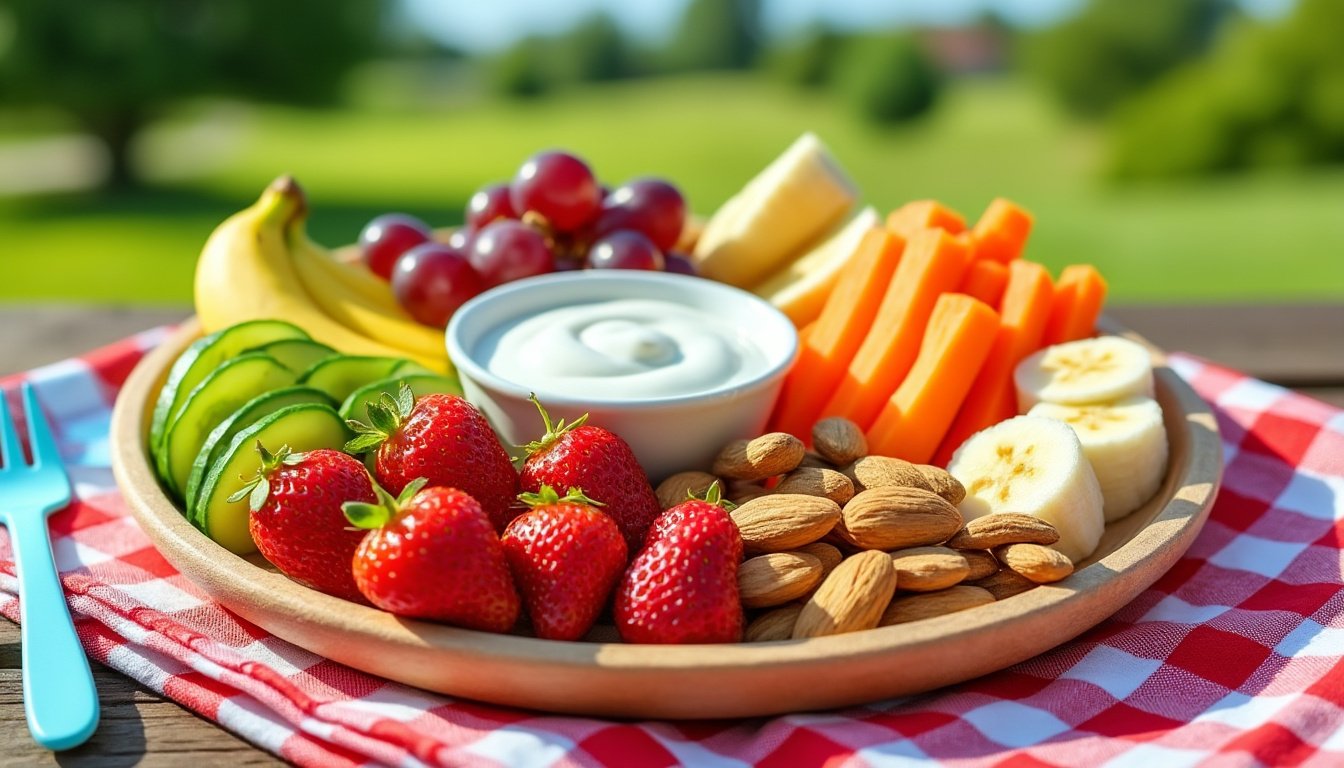
Similarly, building a kid-friendly charcuterie board or a “snackle” box packed with a variety of healthy options gives children freedom to choose and explore different flavors and textures. This approach encourages sensory exploration and autonomy, increasing the likelihood that kids will relish eating nutrient-packed snacks. Popular charcuterie box components include sliced lean meats, cheese cubes, colorful veggies, fruit segments, nuts, and whole grain crackers. Such options offer a balanced mix of protein, fiber, vitamins, and minerals, vital for active children during the summer months.
Parents are encouraged to keep the snack selection diverse yet simple, depending on their kitchen skills and time available. O’Meara advises: “If it is a burden for you, just do what you’re able to.” This realistic approach helps families avoid stress while still providing nourishing choices. From simple veggies with hummus to homemade frozen fruit pops, there are many options that require minimal preparation but maximize healthy benefits.
Examples of easy-to-make, crowd-pleasing snacks include:
- Homemade frozen fruit popsicles – blending seasonal fruits with a bit of yogurt or juice for refreshing treats;
- Vegetable sticks with nut butter or guacamole – quick and crunchy nutrient boosters;
- Trail mix made from nuts, seeds, and dried fruit – perfect for on-the-go fuel;
- Mini whole grain sandwiches with lean proteins – satisfying and packable;
- Fruit kabobs with a yogurt dip – appealing to picky eaters and ideal for outdoor snacks.
Additional creative snack ideas and tips can be found through resources like Healthy Summer Snack Ideas & Tips for Kids, which provide helpful recipes and inspiration for families aiming to maintain wellness during warmer months.
How to Prepare and Organize Snacks for Stress-Free Summer Days
One of the major hurdles families face during summer is managing increased snack frequency without compromising nutrition or causing frustration. Dietitian experts advise that organization and preparation are paramount to alleviate daily snack-time stress. Shaping habits around easy accessibility transforms the kitchen into a supportive environment where children can satisfy hunger in healthful ways independently.
For example, after a routine shopping trip, parents could dedicate 10-15 minutes to:
- Washing and cutting fruits and vegetables;
- Pre-portioning nuts, seeds, or trail mixes into small containers;
- Creating snack kits or “snackle boxes” with assorted healthy options;
- Labeling snack containers to encourage kids to pick balanced variety;
- Setting a designated snack drawer or shelf for easy reach.
This method fosters self-regulation for children and reduces parental workload during busy afternoons or outdoor activities. Furthermore, prioritizing snacks that combine protein and fiber helps sustain energy levels and curb overeating at mealtime, according to research shared by nutritionists in 2026.
Maintaining such routines supports steady, balanced nutrition as kids engage in more summer activities. As school routines take a break, adapting by reinforcing healthy snack habits ensures children stay nourished and hydrated. More helpful strategies for embedding these healthy summer snacking practices into family life can be explored at Snack Smart This Summer, a resource aimed at parents seeking guidance during extended home stays.
Key Nutritional Components to Include in Summer Snacks for Kids
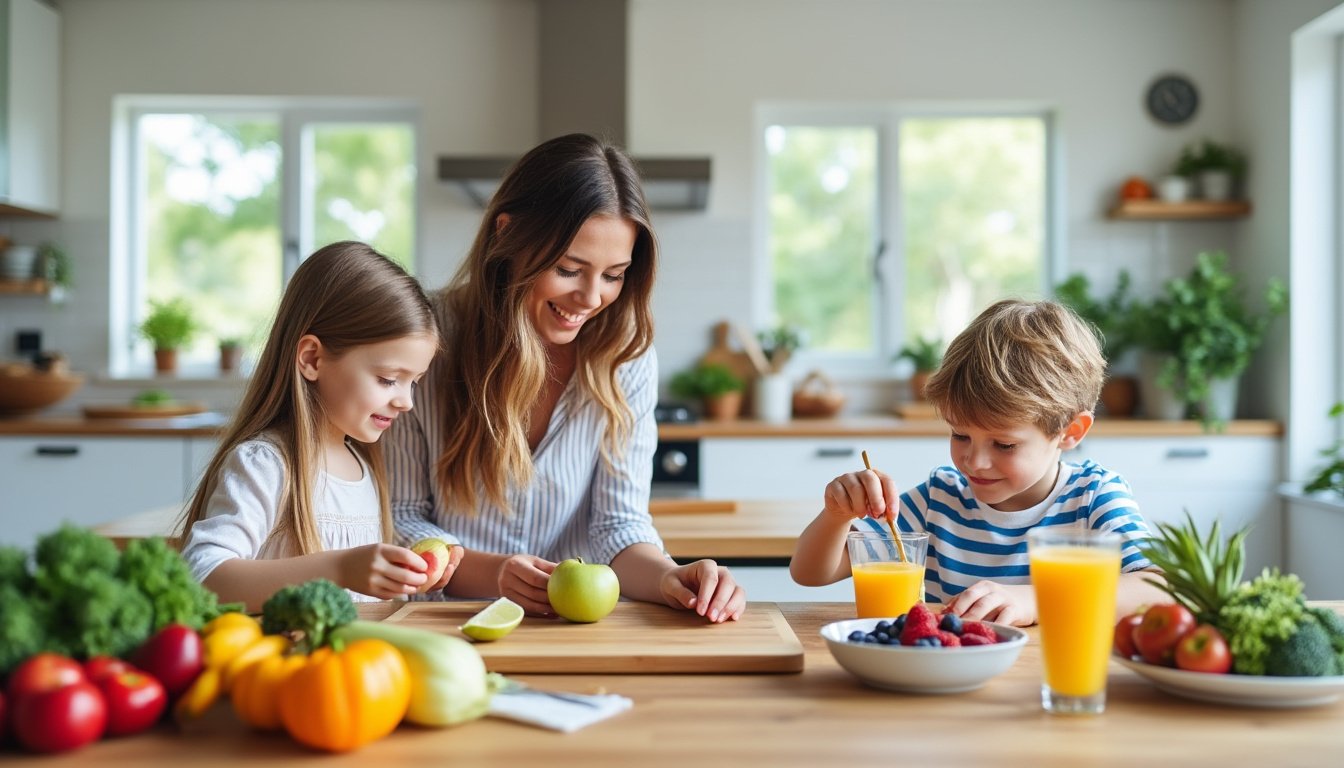
Understanding the critical nutrients children need during warmer months can help parents optimize snack choices. Summer activities often increase kids’ energy demands, making nutrient-rich snacks essential for sustained vitality and growth. Dietitian Shannon O’Meara points out that snacks combining protein and fiber are especially effective at maintaining fullness and steady blood sugar levels.
Protein sources such as yogurt, cottage cheese, lean meats, milk, and nuts contribute to muscle repair and immune health. Meanwhile, fiber-rich foods like fruits, vegetables, whole grains, beans, and seeds support digestion and prolonged energy release.
Equally important is ensuring adequate hydration, a factor often overlooked when children are busy outdoors. Incorporating water-rich fruits (e.g., watermelon, oranges) or offering hydrating snacks like homemade fruit pops can prevent dehydration and enhance overall health.
Additionally, including a variety of vitamins and minerals through colorful produce contributes to supporting children’s immune systems and cognitive development. For example, vitamin C-rich berries and citrus fruits aid immune defense, while potassium from bananas supports muscle function.
Here is a detailed look at essential nutritional components to include in smart summer snacks:
- Protein: yogurt, cheese, eggs, lean turkey or chicken
- Fiber: whole grain crackers, vegetable sticks, fresh fruits
- Healthy fats: nut butters, avocado, seeds
- Hydration: cucumber slices, melon cubes, homemade frozen fruit treats
- Micronutrients: colorful vegetables, berries, citrus fruits
Parents inspired by this nutritional blueprint can explore an array of snack ideas tailored to family preferences by consulting various expert-curated collections available online. One such helpful guide is 14 Healthy Summer Snacks for Kids, which blends taste appeal with nutrient balance effectively.
Encouraging Positive Attitudes Toward Healthy Snacking
Beyond nutrition, shaping a positive mindset surrounding healthy eating is crucial for fostering lifelong wellness. Shannon O’Meara advocates for reframing healthy snacks not as restrictions or chores but as enjoyable, feel-good choices. By involving children in snack decisions and preparation, parents can teach kids to associate eating well with feeling energized and happy rather than as punishment or obligation.
For instance, allowing children to assemble their own snacks from pre-prepped ingredients helps build confidence and independence. The process becomes a teachable moment about why certain foods nourish the body better, linking taste enjoyment with health benefits. Such approaches have been shown to reduce resistance to new foods and encourage adventurous eating habits early on.
One practical way to introduce these principles is through themed snack days such as “Build Your Own Snack Plate” or “Trail Mix DIY,” where kids choose from a variety of healthy items and get creative. Incorporating elements of fun, surprise, and storytelling—like connecting “ants on a log” to nature—ignites curiosity and engagement.
Parents can further empower children by modeling healthy eating themselves and praising positive snack choices without pressure or negativity. These strategies help cultivate a nurturing environment where nutrition is woven into joyful family experiences.
To discover additional tactics for fostering healthy eating habits in children during vacation periods and beyond, resources like Registered Dietitians’ Top Tips on Summer Eating offer expert insights that can support families year-round.
What are some easy-to-prepare protein and fiber snack combinations for kids?
Simple snacks like apple slices with peanut butter, yogurt with berries and granola, or whole grain crackers with cheese are excellent protein and fiber combinations that keep kids full and satisfied.
How can I encourage my child to choose healthy snacks over junk food?
Involving children in snack preparation, making snacks visually appealing with themes or fun presentations, and consistently modeling healthy eating behaviors can positively influence their snack choices.
What are the best hydrating snacks for kids during hot summer days?
Fruits with high water content like watermelon, cucumber slices, orange segments, and homemade frozen fruit popsicles are all hydrating and refreshing options perfect for summer snacking.
How can busy parents keep healthy snacks accessible for kids?
Preparing and portioning snacks in advance, designating a snack drawer, and offering variety in grab-and-go containers make it easier for kids to help themselves to nutritious options without constant supervision.
Are themed snacks really effective for improving children’s eating habits?
Yes, themed snacks make healthy eating enjoyable and engaging, encouraging kids to try new foods and develop positive associations with nutritious choices.