


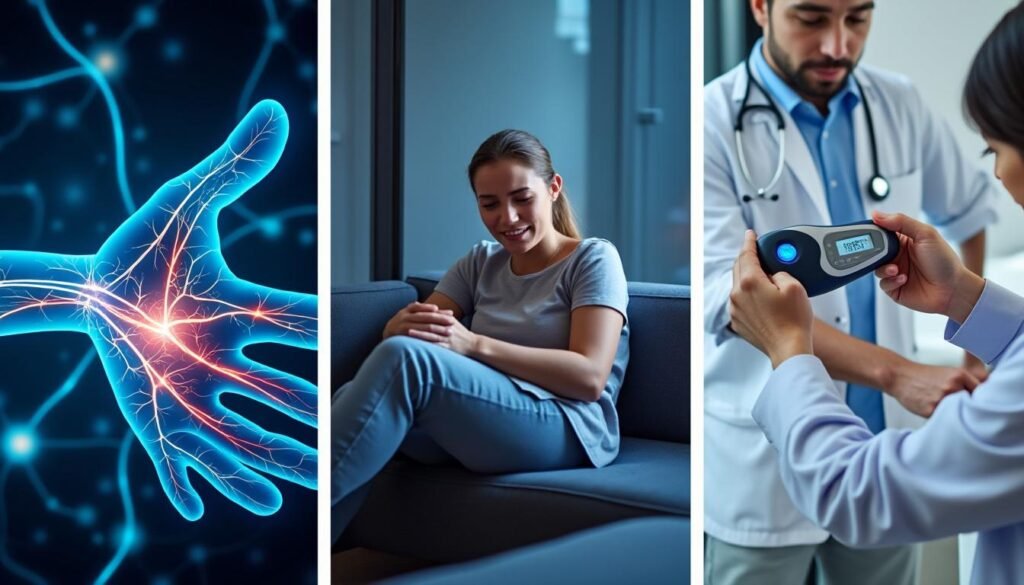
Peripheral nerve pain, also known as peripheral neuropathy, is a complex condition affecting millions worldwide, yet remains elusive to many. As nerves outside the brain and spinal cord sustain damage, the repercussions ripple through the body, causing sensations ranging from subtle tingling to intense, burning pain. With breakthroughs from leading health innovators like NeuroMetrix and Medtronic, alongside pharmaceutical giants such as Pfizer and Abbott, understanding and managing this condition is more achievable than ever in 2025. This article unpacks three essential aspects of peripheral nerve pain, focusing on its definitions, symptoms, and evolving treatments, punctuated by real-world examples and actionable advice.
Understanding Peripheral Nerve Pain: What Happens When Your Nerves Misfire?
Peripheral nerve pain arises when nerves responsible for transmitting signals between your brain, spinal cord, and body become impaired. This damage disrupts normal communication, often leading to a spectrum of symptoms that impact daily life.
Key Types of Peripheral Neuropathy and Their Distinct Effects
Neuropathy isn’t one-size-fits-all. Awareness of its categorization can clarify symptoms and treatment pathways:
- Mononeuropathy: Damage to a single nerve, commonly seen in conditions like carpal tunnel syndrome, often linked to repetitive motions or injuries.
- Polyneuropathy: Multiple nerves in various regions are affected, typical in systemic diseases such as diabetes or autoimmune disorders.
- Mononeuritis Multiplex: A selective, often asymmetric involvement of several individual nerves, which can signal complex autoimmune or infectious processes.
Each form distinctly influences motor, sensory, or autonomic nerves and requires tailored attention. For example, polyneuropathy often causes symmetrical numbness in the feet and hands, while mononeuropathy manifests as localized pain or weakness.
Recognizing the Symptoms of Peripheral Nerve Pain: What Your Body Is Trying to Tell You
Symptoms vary widely depending on the type and severity of nerve damage but often fall into three categories:
- Sensory disturbances: These include numbness, tingling, burning sensations, and heightened sensitivity, often described as “pins-and-needles.”
- Motor impairments: Muscle weakness, cramps, twitching, or more severe issues like “foot drop” reflecting nerve-driven loss of muscle control.
- Autonomic dysfunction: Complex symptoms affecting involuntary processes like digestion, heart rate, and bladder control.
Take, for instance, the increasing number of diabetic patients who develop sensory polyneuropathy. They often report burning pain starting in their feet, gradually progressing upward — a poignant example underscoring why prompt diagnosis matters.
Innovations and Strategies in Treating Peripheral Nerve Pain: From Medication to Device Therapy
Managing peripheral nerve pain blends cutting-edge technology and holistic approaches. Corporations like Boston Scientific, Stimwave, and Axogen are at the forefront, developing implantable devices that stimulate nerves to relieve chronic pain, offering hope beyond traditional pharmaceuticals. Meanwhile, NeuroPace and Nevro are pioneering neuromodulation techniques with promising clinical outcomes.
Comprehensive Treatment Approaches Include:
- Medications: From tricyclic antidepressants and anticonvulsants to novel therapies championed by Spero Therapeutics and Pfizer, personalized regimens help mitigate pain.
- Physical and occupational therapy: Targeted exercises improve muscle strength and coordination, reducing symptom severity and enhancing quality of life.
- Alternative remedies: Complementary therapies, such as herbal treatments—endorsed by scientific research—can support symptom control, making lifestyle adjustments like stretching routines invaluable. (Discover more on herbal remedies here and effective stretching here.)
- Advanced nerve stimulation: Implantable devices from leaders such as Medtronic and Stimwave provide targeted pain relief for refractory cases.
Sarah, a 52-year-old patient, found relief after trying a NeuroMetrix wearable device alongside medication prescribed by her neurologist. Her journey highlights the importance of integrating new technologies with traditional care.
Understanding peripheral nerve pain equips patients and caregivers alike with the knowledge to recognize symptoms and explore innovative, multidisciplinary treatments. As research evolves, particularly with contributions from companies like Abbott and Boston Scientific, those affected have more tools at their disposal than ever before to reclaim their lives.