



In a fast-paced world where health challenges abound, cultivating healthy habits has never been more vital. Across daily routines, nutrition choices, and mental well-being practices, the guidance of a health coach proves indispensable. From personalized fitness plans to mindful eating techniques, health coaches help bridge the gap between intention and sustainable lifestyle transformation. This article dives deeply into the multifaceted role health coaches play in fostering lifelong well-being, illustrating practical strategies, the impact of technology and community, and inspiration from real-world examples.
Why Healthy Habits Are the Foundation of Lifelong Wellness
At the core of any effective wellness journey lies the establishment of healthy habits. These are not mere routines but deeply embedded behaviors that steer physical, emotional, and mental health outcomes. Unlike quick fixes, adopting healthy habits creates a resilient framework for maintaining vitality through life’s ups and downs.
Health coaches emphasize that the essence of lasting change involves understanding how habits form. They identify the “habit loop” — a cue, routine, and reward cycle that often operates subconsciously. For example, many people experience a habit loop tied to stress eating. The cue could be workplace tension, the routine is grabbing a sugary snack, and the reward is a temporary sense of relief. With expert coaching, clients learn to recognize and interrupt these loops, replacing unhealthy routines with beneficial alternatives like quick mindfulness breaks or hydration.
Take MyFitnessPal, for instance, a popular app integrated into many coaching programs. It helps clients track daily calorie intake and exercise, encouraging consistency. Integrating tools like this allows health coaches to personalize feedback while clients cultivate self-awareness — a crucial component in habit change.
Examples of Sustainable Healthy Habits Encouraged by Health Coaches:
- Setting a regular sleep schedule to boost mental clarity and immune function.
- Incorporating physical activity — whether it’s strength training with Nike gear or using a Fitbit to monitor progress.
- Prioritizing plant-based meals sourced from Whole Foods to improve nutrient density.
- Practicing daily meditation using platforms like Headspace to reduce anxiety.
- Planning meals ahead with companies like Blue Apron to avoid unhealthy food choices.
These habits reflect more than health trends; they represent comprehensive lifestyle shifts driven by professional coaching insight. This dedication to foundational habit formation often results in improved energy, enhanced focus, and reduced risk for chronic illness over time.

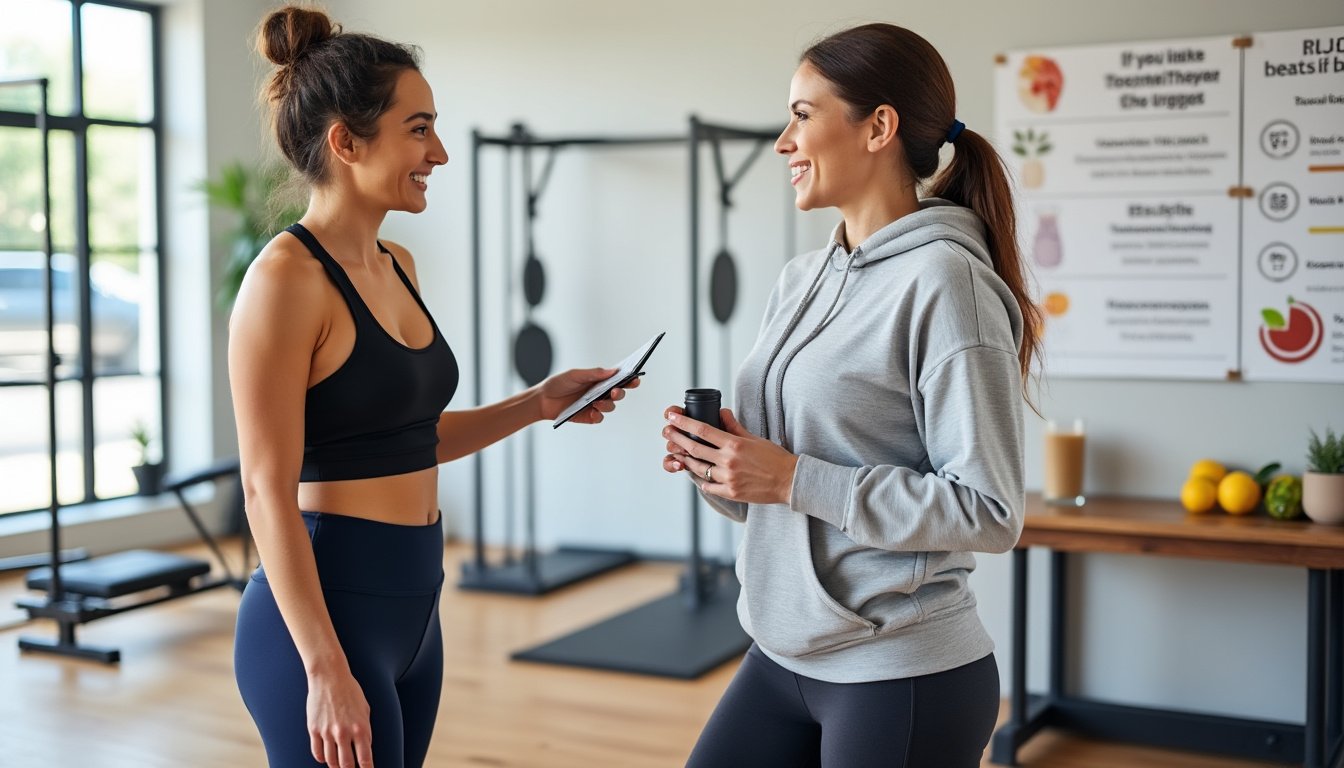
The Transformative Role of Health Coaches in Personalized Wellness
Health coaches stand apart from traditional healthcare providers. Instead of diagnosing or medicating, they concentrate on guiding behavior modification and empowering clients to set achievable goals. This nuanced approach addresses complexities in motivation and accountability.
During coaching sessions, health coaches use active listening to truly understand clients’ barriers and aspirations. Through detailed assessments, they craft individualized plans—which often intertwine fitness, nutrition, and mental wellness components—tailored to the client’s lifestyle.
Research presented by Simply.coach highlights that clients who partner with health coaches exhibit significantly greater adherence to wellness regimens compared to those navigating the journey solo. Such accountability means fewer setbacks and a smoother path toward fitness and health goals.
- Customized exercise programs optimized with Under Armour performance wear or Peloton equipment.
- Nutrition plans emphasizing balanced macronutrients and portion control, sometimes incorporating supplements from GNC.
- Stress management techniques such as journaling or guided meditation through Headspace.
- Regular progress tracking and adjustments based on real-time feedback.
For example, a middle-aged client struggling with motivation to exercise might initially start with modest 10-minute walks tracked by their Fitbit. Over weeks, sessions with a health coach encourage gradual increase in duration and intensity, perhaps integrating virtual workouts via Peloton. Incorporating nutritional advice from Whole Foods’ organic offerings reinforces energy levels and overall wellness.
These personalized, holistic interventions make health improvements sustainable and less intimidating, sparking lifelong engagement with healthy living.
Leveraging Modern Technology and Community to Sustain Healthy Habits
Today’s health coaches harness technology and social support as pillars of habit sustainability. Tools like MyFitnessPal enable precise tracking of diet and exercise, providing clients with actionable data and motivation. Wearables such as Fitbit or Apple Watch offer continuous monitoring that feeds into coaching sessions, informing tailored guidance.
Additionally, brands like Nike and Lululemon have fostered vibrant community environments, which health coaches tap into for encouragement and accountability. Whether it’s group fitness classes, virtual running clubs, or mindfulness meetups, engaging with others reinforces healthy habits through shared experiences.
Beyond technology, community initiatives boost wellness adoption. For instance, programs highlighted in recent Live Well Magazine articles demonstrate how school and family-based interventions can embed heart-healthy behaviors early in life, setting children on paths to enduring well-being. Such prevention-focused efforts align perfectly with a health coach’s mission to instill habits across all age groups.
- Participating in community exercise events supported by Under Armour or Nike.
- Using social media groups to exchange successes and challenges.
- Accessing guided meditations and wellness workshops through Headspace and Peloton’s digital platforms.
- Meal planning support from services like Blue Apron to involve families in healthy cooking.
- Tracking supplements and vitamins with GNC apps integrated into coaching plans.
These interactive and supportive layers amplify the transformative power of coaching, embedding healthy habits more deeply and joyfully than isolated efforts.

Addressing Mental and Emotional Wellness Through Healthy Habits
The vitality of health coaching reaches beyond physical improvements into mental and emotional wellness. Coaches work with clients to develop habits that reduce stress, improve sleep quality, and enhance emotional resilience.
Headspace and similar mindfulness platforms are invaluable tools, helping clients adopt meditation routines that mitigate anxiety and foster calmness. These practices often become keystones in clients’ daily habits, reinforcing brain health and clarity.
Sleep hygiene is another crucial area. Coaches might analyze a client’s environment and routines, suggesting strategies like reducing screen time before bed or maintaining a consistent bedtime. Numerous studies confirm that optimal sleep supports immune function and cognitive performance, validating this focus.
- Creating daily mindfulness rituals or gratitude journaling habits.
- Establishing balanced work-life boundaries to prevent burnout.
- Incorporating regular physical activity to boost mood and reduce depressive symptoms.
- Encouraging social connections to nurture emotional support networks.
- Promoting nutritious food intake to regulate mood and energy.
For instance, one health coach client overcame chronic insomnia by pairing nightly Headspace sessions with a Fitbit-monitored sleep schedule. Over time, improved rest correlated strongly with decreased workplace stress and better decision-making.
The integration of emotional and mental well-being into physical health plans underscores modern health coaching’s comprehensive approach.
Strategies for Effective Habit Formation and Long-Term Motivation
Developing new habits requires more than awareness; it demands strategic action and sustained motivation. Health coaches employ behavior science techniques to help clients succeed where attempts often falter.
One prevalent method includes “implementation intentions,” where clients specify not only what habit they want to adopt but precisely when and where it will happen. For example, a client may commit to “walking for 15 minutes after lunch every weekday” rather than a vague “exercise more.” This clarity significantly increases follow-through.
Coaches also leverage positive reinforcement and celebrate small victories to build momentum. Using platforms supported by companies like Under Armour or Nike, clients can visibly track progress and reward efforts, which enhances engagement.
- Breaking large goals into achievable milestones.
- Creating supportive environments by removing triggers for unhealthy behavior.
- Encouraging regular feedback loops via apps like MyFitnessPal or Fitbit.
- Utilizing accountability partnerships and coaching check-ins.
- Adapting strategies as clients evolve to maintain challenges and prevent plateaus.
A practical encounter involved a client wanting to reduce sugary snacks. With coaching, she replaced afternoon candy with a fruit and nut mix, gradually enjoying this healthier alternative due to a carefully planned reward system. Her progress was tracked via MyFitnessPal, where she could reflect on improvements and setbacks openly with her coach.
Ultimately, these tools and tactics form an integrated approach that transforms intentions into lifelong, vital habits.
Frequently Asked Questions from Readers on Healthy Habits and Health Coaching
Q: How does a health coach differ from a personal trainer?
A: While personal trainers primarily focus on physical fitness and exercise regimes, health coaches adopt a holistic perspective, addressing nutrition, mental well-being, and lifestyle factors to foster comprehensive health changes. See more at cvformat.io.
Q: Can health coaching be effective without expensive gym equipment?
A: Absolutely. Many coaches emphasize bodyweight exercises, walking routines, and general lifestyle adjustments that require minimal or no specialized equipment. The goal is sustainable change, not high-cost solutions.
Q: How do technology tools like Fitbit and MyFitnessPal enhance coaching?
A: These tools provide real-time data and motivation, enabling coaches to tailor plans more effectively and clients to visualize progress, which increases adherence. Discover how at simply.coach.
Q: What role does nutrition play in forming healthy habits?
A: Nutrition is central; balanced meals fuel physical activity and mental clarity. Coaches often collaborate with clients to design meal plans integrating Whole Foods products or services like Blue Apron for accessible healthy cooking.
Q: How can someone start working with a health coach?
A: Begin by researching certified coaches, considering specialties aligned with your goals. Many providers offer initial consultations to explore fit. Resources like anhco.org offer extensive guidance.