


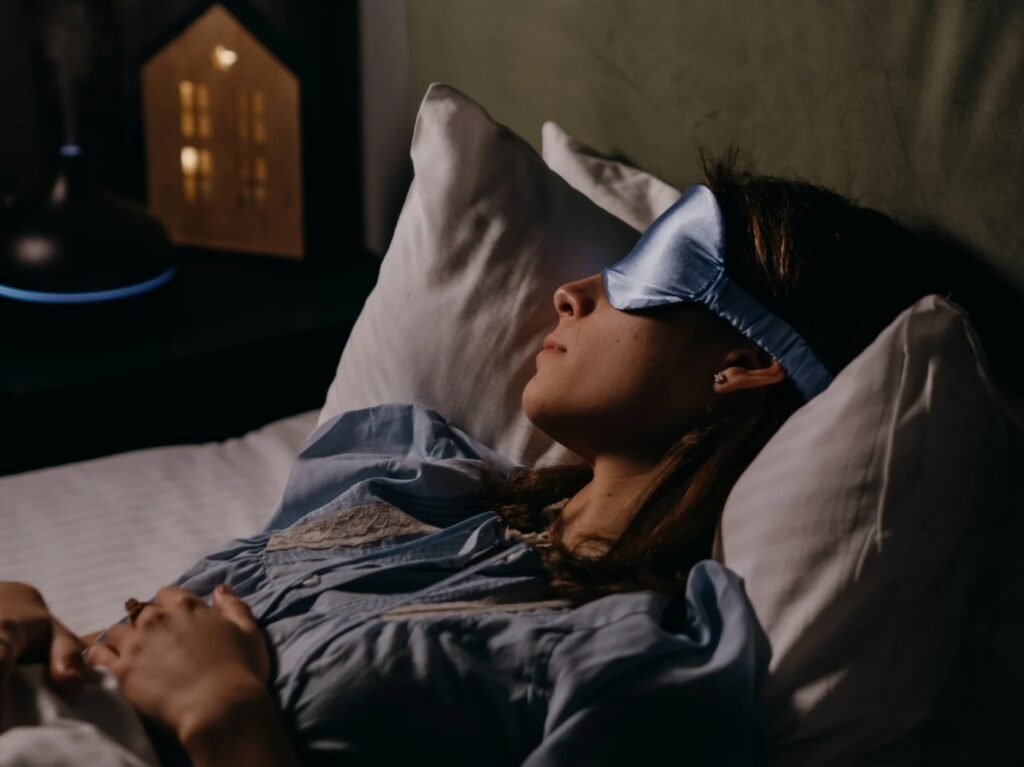
It’s late. You’re exhausted. But instead of sleeping, you’re scrolling. If this sounds familiar, you’re not alone. According to the Centers for Disease Control and Prevention (CDC), more than one-third of American adults don’t get enough sleep on a regular basis. And yet, sleep remains one of the most overlooked pillars of health.
This widespread exhaustion isn’t just a personal struggle—it’s a public health crisis. From increased risks of chronic disease to reduced productivity and mental health challenges, the consequences of poor sleep ripple through our lives in subtle but serious ways.
Why are we so sleep-deprived?
Modern life is full of barriers to restful sleep. While our ancestors followed natural light cycles, we’re surrounded by screens, stress, and late-night stimulation. Some of the biggest culprits behind today’s sleep crisis include:
- Blue light exposure from phones, laptops, and TVs that disrupts melatonin production
- Work-life imbalance, with many people checking emails or working late into the night
- Inconsistent sleep schedules due to shift work, parenting, or travel
- Stress and anxiety, which make it harder to wind down before bed
- Poor sleep environments, including noise, light, or uncomfortable bedding
For many, lack of sleep has become normalized. But it shouldn’t be.
The impact of not getting enough rest


Sleep affects nearly every system in your body. When you don’t get the recommended 7–9 hours of quality sleep per night, your health and cognitive functions begin to decline. Chronic sleep deprivation has been linked to:
- Weakened immune function
- Increased risk of heart disease, diabetes, and stroke
- Weight gain and hormonal imbalances
- Memory problems and lack of focus
- Mood disorders like depression and anxiety
Even short-term sleep loss can impair judgment, reduce reaction time, and make everyday tasks more difficult. Over time, the toll becomes greater—and harder to reverse.
Are you getting enough sleep?
You might be used to feeling tired, but your body is sending signals. Here are some common signs of sleep deprivation:
- Waking up feeling unrefreshed
- Daytime drowsiness or microsleeps
- Frequent irritability or mood swings
- Difficulty concentrating or remembering details
- Reliance on caffeine or naps to get through the day
If any of these sound familiar, it may be time to prioritize your sleep.
Simple strategies for better rest

The good news? You don’t need a complete lifestyle overhaul to improve your sleep. Start with these evidence-backed tips:
- Set a consistent bedtime and wake-up time, even on weekends
- Avoid screens at least an hour before bed, or use blue-light filters
- Limit caffeine and alcohol, especially in the evening
- Create a relaxing bedtime routine, such as reading, stretching, or meditating
- Make your bedroom a sleep sanctuary: cool, dark, and quiet
Improving sleep is a journey—not an overnight fix. But even small adjustments can lead to big changes in how you feel, function, and live.
Conclusion: Your health begins with your sleep
We often glorify productivity and late-night hustle. But the truth is, sleep is not a luxury—it’s a necessity. By addressing the root causes of poor rest and making sleep a non-negotiable part of your wellness routine, you’re investing in your long-term physical and mental well-being.
Tonight’s challenge: Shut down your screens 30 minutes earlier than usual. Grab a book or do some gentle breathing exercises. Your mind—and your body—will thank you in the morning.