


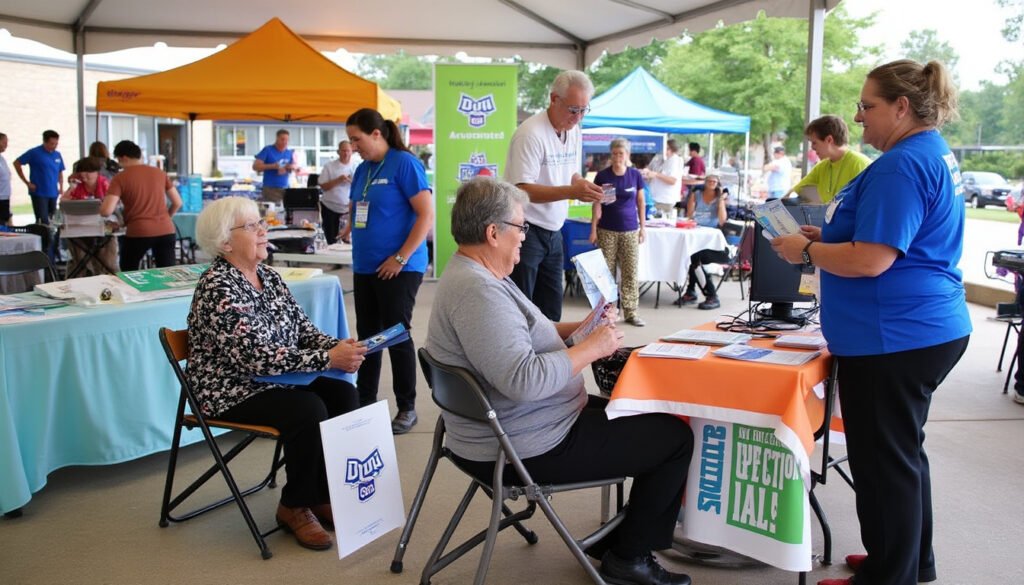
Turning 70 doesn’t mean life automatically “slows down.” For many people, it’s the start of a new chapter: more freedom, fewer outside obligations, and the chance to reinvent daily routines. The real game-changer isn’t doing more and more—it’s doing less of the habits that wear down your body, mood, and confidence over time.
The good news: your energy, mobility, and mental sharpness aren’t determined by genetics alone. Small daily choices add up. When you remove the “quiet drains” and replace them with a few supportive routines, you can feel noticeably better—even if you haven’t exercised in years, even if you don’t consider yourself “athletic,” even if your life feels set in stone.
Important note: If you have heart disease, breathing issues, osteoporosis, balance problems, chronic pain, or take medications that affect dizziness or blood pressure, talk with your clinician or physical therapist before making major changes—especially exercise changes.
Quick overview: the swap that makes the difference
| Habit that drains you | Health-friendly swap (simple + realistic) |
|---|---|
| Sitting for long stretches | Stand up every hour + 3–5 minutes of gentle movement |
| Postponing joy “for a special occasion” | Make ordinary days feel worth showing up for |
| Believing it’s “too late to learn” | Learn small, often (new skill, recipe, app, language) |
| Living in the same stories | Create new memories on purpose (tiny adventures count) |
| Letting others decide everything | Stay involved in choices (money, appointments, tech) |
| Avoiding novelty and “unknowns” | Try one new thing weekly (low risk, high reward) |
| Letting “health” become the center of life | Use health as a tool for living—not the main project |
| Apologizing for pleasure | Do joyful things without “earning” them first |
| Only maintaining, never creating | Add a small creative project to your week |
1) Sitting too much: the slow slide into “accidental sedentary living”
A comfortable chair, a favorite show, a few errands… and suddenly hours pass without much movement. After retirement, it’s common for sitting time to increase without anyone noticing. The issue isn’t “laziness”—it’s that long sitting stretches can speed up muscle loss, worsen blood sugar regulation, stiffen joints, and weaken circulation.
What to do instead (starting today):
- Use the “hourly reset”: once an hour, stand up and move for 3–5 minutes. Walk the hallway, roll your shoulders, do gentle calf raises holding a counter.
- Pair movement with daily cues: after every bathroom break, do 5 slow sit-to-stands from a sturdy chair (as tolerated).
- Make walking easier, not harder: shoes by the door, coat ready, route planned, music or podcast queued.
Remember: consistency matters more than intensity. Even light movement repeated through the day can change how you feel.
2) Postponing joy “until later”
Saving the good plates for guests. Waiting for a reason to wear something you like. Delaying the nice meal, the short outing, the small celebration. This habit shrinks life—and over time, it can quietly feed low mood and social withdrawal.
What to do instead:
- Use the “good stuff” on a random Tuesday—because you’re here.
- Schedule micro-joy like medicine: 15 minutes daily (music, sunlight, a phone call, a favorite snack).
- Keep a “tiny wins” note on your phone: proof that your days still contain momentum.
3) Saying “I’m too old to learn”: the myth of “too late”
It’s easy to assume that technology, new skills, or fresh interests are only for younger people. But your brain can keep adapting throughout life. Learning doesn’t have to mean exams or pressure—it can be playful and bite-sized.
What to do instead:
- Pick one “mini skill” for the month: using voice-to-text, a new recipe, basic photo editing, a few words of Spanish.
- Set a 10-minute learning timer. Stop while you still feel okay—this builds confidence.
- Celebrate “beginner discomfort” as evidence your brain is working.
4) Repeating the same stories: living mostly in the past


Memories are important. They’re part of identity. But if life becomes a loop of familiar stories, the present can start to feel smaller. New experiences—even small ones—help keep curiosity alive and mood more resilient.
What to do instead:
- Change one routine per week: a new bakery, a different park, a new bus route, a different walking loop.
- Create “memory anchors”: take one photo on every outing, even ordinary ones.
- Try a club or class once—no commitment required.
5) Letting others decide for you
Sometimes family help is essential. But when you hand over everything—banking, appointments, technology, paperwork—you risk becoming a spectator in your own life. Staying involved protects confidence and autonomy.
What to do instead:
- Do it together instead of “they do it for you.” Ask someone to sit with you while you click the buttons.
- Keep a simple “life dashboard”: one notebook with passwords (stored safely), appointments, medication list, key phone numbers.
- Practice one independent task weekly: refilling a prescription, booking a haircut, paying one bill online.
6) Avoiding novelty and the unexpected
Turning down invitations. Skipping travel. Saying “no” to a new restaurant because it’s unfamiliar. Seeking “zero risk” can feel safe—but too much avoidance can shrink your social world and reduce mental stimulation.
What to do instead:
- Try the “one new thing” rule: one new place, food, activity, or conversation each week.
- Lower the risk: go with a friend, choose daytime plans, pick accessible locations.
- Plan a “soft exit” (drive yourself, set a time limit). Confidence grows when you feel in control.
7) Letting health become the center of everything
Medical care matters—but some people end up organizing their entire life around tests, appointments, and monitoring. An overloaded “health schedule” can increase anxiety and steal time from the very things that give health meaning.
What to do instead:
- Ask your clinician: “Which screenings matter most for me right now?” (Not every test is equally useful.)
- Pair health actions with life actions: after a checkup, treat yourself to a walk with a friend or a small outing.
- Track what actually improves your week: sleep quality, energy, pain days, mood—not just numbers.
8) Denying pleasure—or apologizing for it
“I’m dancing for balance.” “I’m painting for brain health.” “I’m laughing because it’s good for immunity.” Those can be true—but you don’t need permission. Pleasure is not frivolous. It supports motivation, connection, and emotional resilience.
What to do instead:
- Do one joyful activity weekly with no health justification.
- Say it out loud: “I’m doing this because I like it.” That mindset shift matters.
- Choose joy that includes people whenever possible (laughter is contagious in the best way).
9) Only maintaining—never creating
House chores, bills, errands, organization. Maintenance keeps life running, but it doesn’t always feed the spirit. When life becomes only “upkeep,” boredom and low mood can creep in. Creation—anything from cooking differently to building something small—adds purpose.
What to do instead:
- Pick a tiny project: a photo album, a balcony herb garden, a family recipe notebook, a DIY repair.
- Make it visible: keep supplies out (not hidden). Convenience increases follow-through.
- Think “process,” not “performance.” The goal is doing, not impressing.
Key habits that help you bounce back after 70
- Move often: frequent movement beats occasional “big workouts.” Walking, stretching, light strength, gardening all count.
- Protect protein + hydration: include a protein source at each meal if possible (eggs, yogurt, fish, beans, poultry) and drink regularly—especially if you forget thirst cues.
- Stay socially connected: variety matters—family, neighbors, clubs, community centers, volunteering.
- Seek variety on purpose: different foods, different routes, different conversations. Boredom weakens motivation; variety protects it.
- Stay in the driver’s seat: keep participating in decisions, even small ones. Autonomy is a health resource.
Practical plan: “More energy in 14 days” (gentle + realistic)
- Every 60–90 minutes: stand up and move for 3–5 minutes.
- Daily: 10 minutes of walking (or marching in place) + 2 minutes of stretching.
- Twice per week: light strength (chair sit-to-stands, wall push-ups, heel raises).
- Once per week: learn something new for 20 minutes (tech, recipe, language, hobby).
- Once per week: one social plan (coffee, call, club, walk with someone).
- Daily joy: one small pleasure with no “justification.”
FAQ: Common questions about staying fit after 70
How much physical activity is reasonable after 70?
A common goal recommended by major public health guidelines is about 150 minutes per week of moderate activity (like brisk walking), plus strength work twice a week and balance-focused exercises. If that feels like too much, start smaller: even 5–10 minutes per day is a strong beginning, and you can build gradually.
Is it risky to start exercising after 70 if I’ve been inactive?
It can be safe and very beneficial—if you start gradually. Begin with low-impact movement (walking, water exercise, gentle yoga, chair-based strength) and increase slowly. If you have chronic conditions, frequent dizziness, chest pain, or a history of falls, check in with your clinician first.
How can I fight social isolation?
Start with small, repeatable contact: a weekly phone call, a regular walk in a busy park, a community class, a library group, a faith community, or volunteering. The goal is not “many friends”—it’s steady connection.
Can memory really improve after 70?
Many people can strengthen attention and recall through consistent stimulation: reading, puzzles, learning new skills, social conversation, music, and novelty. The brain responds best to regular challenge—especially when it’s enjoyable and connected to real life.
What if pain or fatigue makes all this feel impossible?
Start where you are. On hard days, choose the smallest version: 2 minutes of movement, a short stretch, one healthy meal choice, one phone call. If pain is limiting, ask about physical therapy, balance training, and medication review—sometimes small adjustments unlock big improvements.