



Overview of South Carolina’s Healthy Food SC SNAP Demonstration Project Rescheduling
The Healthy Food SC SNAP Demonstration Project, initially scheduled to commence on August 31, 2026, in South Carolina, has been officially rescheduled to November 1, 2026. This decision follows a formal notice from the U.S. Department of Agriculture (USDA), which directs the South Carolina Department of Social Services (SCDSS) to delay the initiative. The project aims to encourage healthier food choices among households receiving SNAP benefits, but USDA’s postponement will allow further procedural steps, including publication in the Federal Register and assessment of public feedback, before full implementation.
The postponement reflects a careful approach by the USDA’s Food and Nutrition Administration (FNA) to ensure regulatory clarity and public engagement. Sheila Corley, the acting administrator of FNA, emphasized appreciation for the South Carolina team’s preparation while underscoring the importance of this interim period. The delay allows for nationwide transparency, particularly an opportunity for comments by stakeholders and SNAP recipients, a critical aspect of policy refinement in food assistance programs.
South Carolina’s decision to work in tandem with the USDA illuminates the stringent administrative process behind adapting SNAP rules. The Healthy Food SC project is a groundbreaking step aimed at tightening nutrition policy by restricting the purchase of certain food categories such as candy, energy drinks, and sweetened beverages under SNAP benefits. Notably, diet and zero-sugar soft drinks remain eligible for purchase, reflecting nuanced dietary considerations.
This change is significant in South Carolina’s public health and food security context, where the state planners wish to balance assistance with nutritional responsibility for vulnerable populations relying on food assistance programs. As of June 2026, SNAP benefits reached 235,235 households, encompassing more than 480,000 individuals, a testament to the program’s scale and importance in the state.
For detailed insights on the current updates and implications of this rescheduling, the South Carolina Department of Social Services offers resources on their official pages, helping participants understand upcoming changes in the Healthy Food SC SNAP Households program in depth.

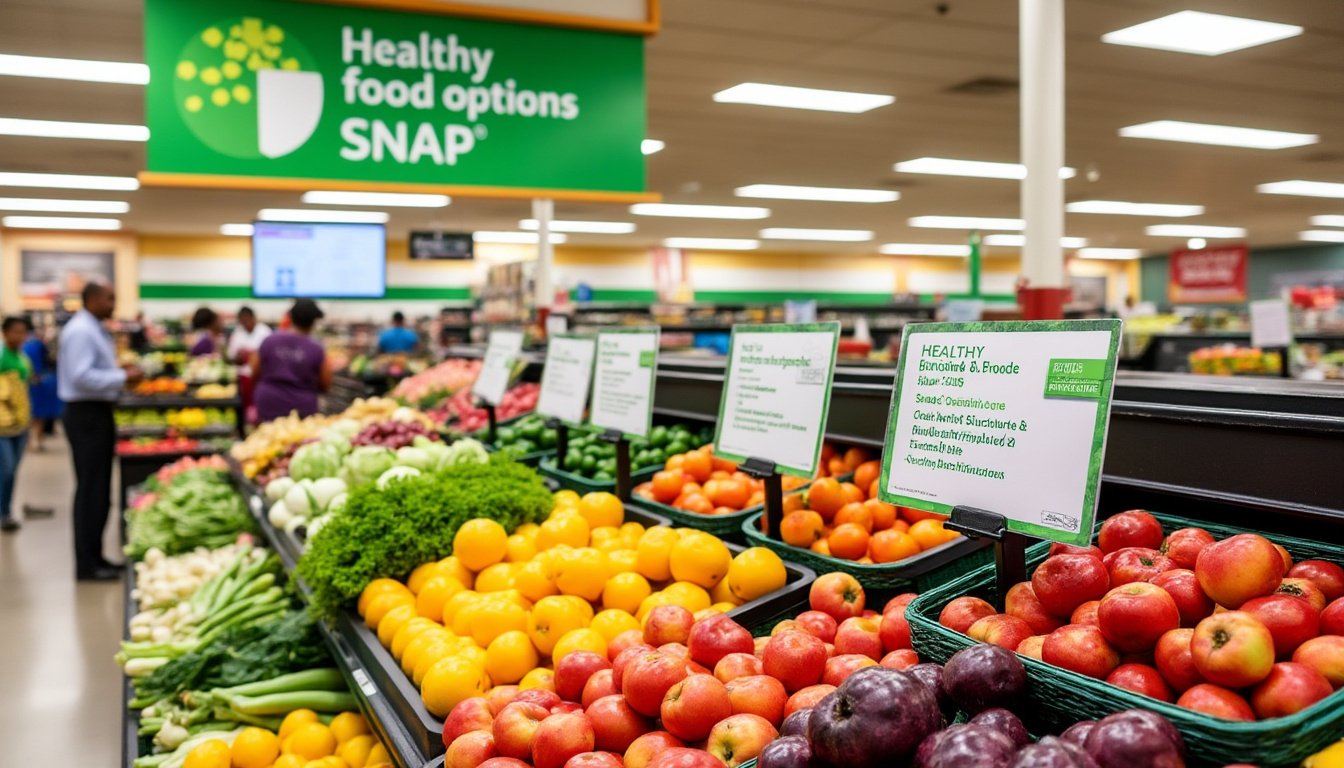
How the Healthy Food SC SNAP Demonstration Project Impacts Food Assistance and Nutrition Programs
The Healthy Food SC demonstration project represents a novel approach in the ongoing evolution of SNAP, mixing restrictive policies with proactive nutritional incentives. This approach reflects a growing national emphasis on improving dietary habits among SNAP participants to foster public health and reduce diet-related chronic diseases. South Carolina’s initiative specifically targets improvements in eating habits by restricting certain non-nutritious items from eligibility under SNAP benefits.
By rescheduling the project rollout to November 1, 2026, the USDA ensures that the newly imposed restrictions are communicated clearly and evaluated properly before enforcement. This involves a formal comment period, providing a platform for voices within the community to express concerns or suggestions, which is crucial as the changes will not allow SNAP households to opt out of these restrictions.
One core element of the project is its application across all SNAP-authorized retailers in South Carolina, which creates uniformity and clarity at the point of sale. Households receiving SNAP benefits will face new purchase guidelines designed to nudge healthier choices without entirely eliminating access to comforting or culturally significant foods.
Examples of restrictions include prohibiting the purchase of candy, sweetened soft drinks, and energy drinks, while allowing diet soda and other zero-calorie drinks. This distinction acknowledges consumer preferences while promoting better dietary outcomes. By restricting sugary beverages, the program aims to reduce the intake of empty calories that contribute to obesity and diabetes, prevalent challenges within at-risk populations.
The initiative simultaneously aligns with broader public health goals such as lowering health disparities and encouraging long-term wellness by making the food environment more conducive to nutritious choices. This is part of a nationwide shift, where states like Oklahoma have also refined SNAP benefit rules under similar Healthy Food waivers, reflecting a coordinated effort to advance food security through targeted nutrition programming.
Administrative and Legislative Context Behind the Healthy Food SC Project Postponement
The postponement of South Carolina’s Healthy Food SC SNAP project underscores the complex regulatory ecosystem surrounding food assistance programs. The USDA’s directive for delay, communicated formally through a memorandum to the SCDSS, originates from the need to adhere to federal rulemaking procedures, including a mandatory public notice and comment period published in the Federal Register.
Sheila Corley’s communication highlights the USDA’s intent to “issue a notice in the Federal Register and assess public comments prior to implementation,” reinforcing democratic accountability in program governance. This step is essential to ensure that policy changes affecting millions of SNAP recipients nationwide are transparent, evidence-based, and responsive to citizen input.
Moreover, South Carolina’s initiative follows a waiver requested by Governor Henry McMaster, seeking to modernize nutrition rules by excluding items with minimal nutritional value from allowed SNAP purchases. This aligns with state-level efforts to prioritize food security alongside nutritional quality.
Understanding this legislative backdrop is crucial to grasping why the project cannot proceed without this interlude. The federal SNAP program, managed jointly by the USDA and states, demands rigorous alignment with nutrition standards and legal mandates. Postponing the project reflects a commitment to these standards, ensuring changes do not disrupt access but enhance it with thoughtful safeguards.
The administrative pause allows the state and federal agencies to evaluate stakeholder feedback and make any necessary adjustments. This is particularly important since the restrictions will affect all SNAP households in South Carolina universally, with no exemptions or opt-outs permitted.
South Carolina’s approach could serve as a case study in the evolving relationship between state innovation in food policy and federal oversight mechanisms, highlighting the balance between local needs and national food security objectives.
Practical Implications for SNAP Households and Retailers in South Carolina
The Healthy Food SC SNAP Demonstration Project’s rescheduling to November 1, 2026, introduces real-world adjustments for participating households and retailers throughout South Carolina. For recipients of SNAP benefits, this new program means stricter controls on what can be purchased with their federally funded food assistance, directly influencing daily food choices and budgets.
South Carolina households participating in SNAP, more than 235,000 in number according to June 2026 data, will need to adapt to restrictions on candy, soda, energy drinks, and other sweetened beverages. This shift encourages healthier consumption patterns, potentially reducing the risk of diet-related illnesses.
Retailers authorized to accept SNAP will also undergo operational changes. They will be required to update point-of-sale systems to comply with food restriction protocols. This includes training employees and coordinating with software vendors to accurately track and enforce allowable food categories, ensuring compliance with federal and state guidelines.
All SNAP retailers in South Carolina are obliged to participate in the program, eliminating any variability in how the restrictions apply, which simplifies implementation but requires consistent communication and collaboration. This comprehensive inclusion fosters clear expectations among retailers and recipients, minimizing confusion at checkout.
To ease the transition, the South Carolina Department of Social Services has proactively launched educational campaigns and pilot programs focused on promoting healthier habits among SNAP recipients, reinforcing the program’s nutritional objectives. These initiatives complement the food restrictions and offer guidance on budget-friendly, nutritious meal planning.
By restricting certain purchases, the project not only targets improved individual health outcomes but also contributes broadly to the state’s food security strategy by optimizing federal food assistance dollars toward nutrient-dense food purchases.
Community Response, Public Health Outcomes, and the Future of SNAP Nutrition Initiatives
Community reactions to the Healthy Food SC SNAP Demonstration Project’s postponement and upcoming restrictions are varied but deeply rooted in concerns about food access, autonomy, and health equity. Advocates for public health applaud the efforts to curtail purchases of unhealthy foods, emphasizing potential declines in chronic illnesses like obesity and diabetes.
Conversely, some SNAP recipients express apprehension about limitations on food choices, fearing the loss of personal agency and cultural food preferences. Balancing these perspectives presents a continuing challenge as South Carolina moves forward with its nutrition program ambitions.
Preliminary data from similar demonstration projects and pilot initiatives supports the notion that directed SNAP benefits can foster healthier diets, especially when coupled with education and community support. South Carolina’s approach, delayed but persevering, fits within a growing national movement toward improving food environments through federal assistance programs.
In the broader context, the Healthy Food SC project contributes to advancing food security by ensuring that assistance dollars maximize nutritional impact. Aligning with public health frameworks, these initiatives underscore the importance of multidisciplinary collaboration among policymakers, health experts, and community organizations.
Looking ahead, the lessons from South Carolina’s experience will likely influence how other states implement nutrition-sensitive SNAP demonstration projects. The delay until November 1, 2026, provides critical time to fine-tune communications, operational readiness, and stakeholder engagement to optimize public health benefits while respecting the needs of those relying on food assistance.
Those interested in ongoing updates and detailed explanations can explore regional policy developments through news outlets reporting on SNAP changes and official SCDSS communications, providing transparency and clarity for affected populations.
- Increased nutritional standards in SNAP benefits to promote public health.
- Uniform retailer participation to ensure consistent application of new rules.
- Expanded education programs to support healthier food choices among SNAP households.
- Federal oversight and public comment to refine policy and maintain public trust.
- Focus on food security by maximizing the impact of food assistance funds.
What is the Healthy Food SC SNAP Demonstration Project?
The Healthy Food SC project is a state-led initiative designed to improve nutritional outcomes for SNAP participants by restricting the purchase of certain unhealthy food and beverage items while encouraging healthier food choices.
Why was the project rescheduled to November 1, 2026?
The USDA requested a postponement to allow for a notice in the Federal Register and a public comment period, ensuring transparency and stakeholder engagement before the program’s implementation.
Which food items will be restricted under the Healthy Food SC project?
Candy, energy drinks, sweetened soft drinks, and other sugary beverages will be excluded from SNAP purchases, while diet and zero-calorie drinks will remain allowed.
Will SNAP recipients have the option to opt out of these food restrictions?
No, all SNAP households in South Carolina will be required to comply with the new food restrictions once the project begins.
How will retailers be affected by the new Healthy Food SC requirements?
All SNAP-approved retailers must participate and update their point-of-sale systems to enforce the restrictions, ensuring consistent application statewide.