



Sixteenth Street Community Health Centers, a vital institution serving Milwaukee’s south side and Waukesha residents—primarily those facing poverty—has recently interrupted several initiatives designed to promote healthy living and neighborhood rejuvenation. This unexpected move impacts programs centered on nutrition, physical activity encouragement, and environmental health, leaving the community and public health advocates seeking clarity on the underlying reasons. Against a backdrop of national debates about healthcare funding and the ongoing challenges of chronic disease prevention, this pause in efforts raises critical questions about how best to sustain community-based promotion of healthy lifestyles.
Serving over 40,000 primarily Hispanic patients annually, Sixteenth Street is the largest community health center in Milwaukee and has long been a social and environmental advocate seeking measurable improvements in its residents’ overall well-being. The center’s decision comes amid uncertain federal and local funding environments, sparking broader discussions regarding the sustainability of public health programs and the essential role of community partnerships in fostering healthy behaviors.
- Overview of specific halted programs and their community impact
- Implications of program terminations on health and wellness in Milwaukee
- Broader public health context including key stakeholders and funding
- Role of innovative partnerships and lessons from similar health centers
- Future perspectives on maintaining healthy lifestyle promotion despite funding challenges
Detailed Overview of Halted Healthy Lifestyle Initiatives at Sixteenth Street Community Health Centers
Sixteenth Street Community Health Centers recently discontinued three vital programs that were integral to promoting healthier habits and environmental wellness in Milwaukee’s southside neighborhoods. These programs were housed within the Department of Environmental Health and Community Wellness and included:
- Neighborhood Revitalization: A partnership with the Milwaukee Metropolitan Sewerage District aimed at restoring the Kinnickinnic River and improving local environmental health through community engagement and ecological protection.
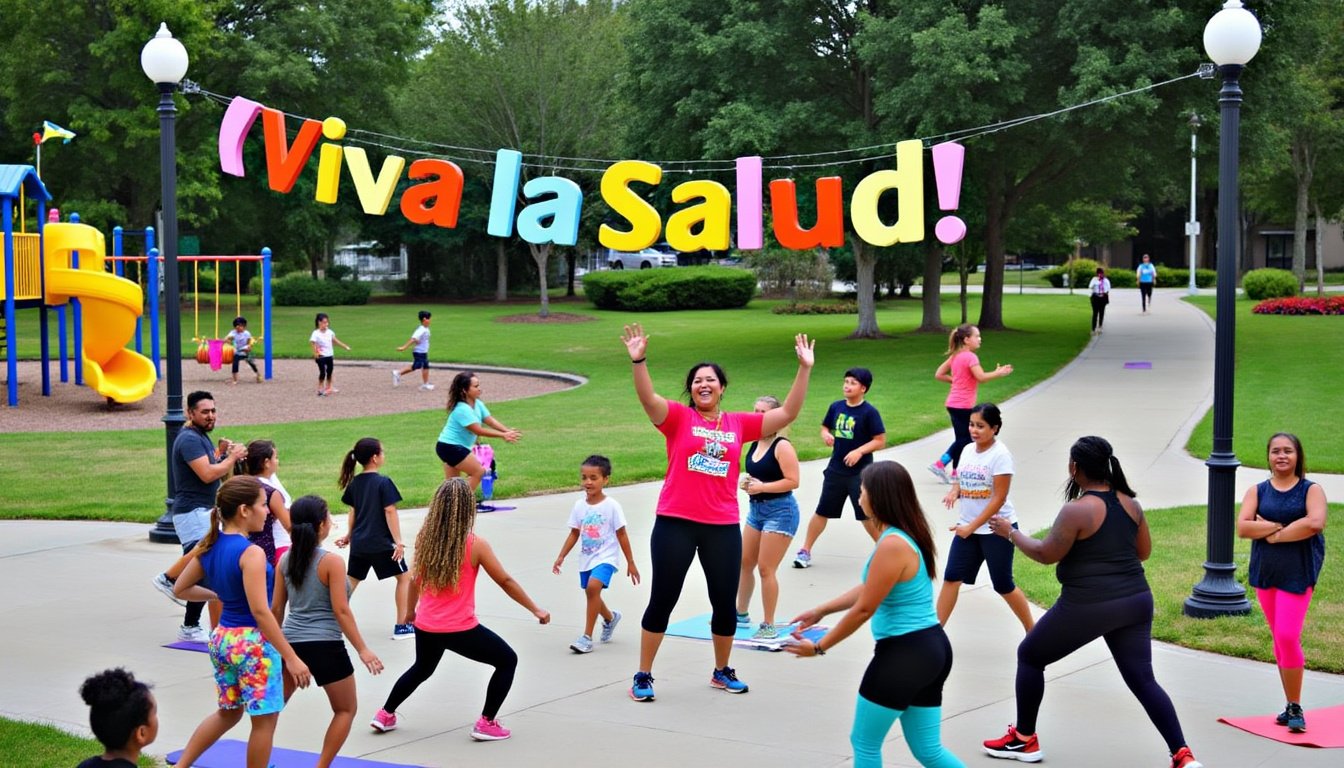
- Healthy Choices: An educational initiative encouraging nutritious eating and active lifestyles via cooking classes and physical activity promotion.
- Líderes por la Salud (Leaders for Health): A community-led program fostering health initiatives such as biking and walking clubs to stimulate active living and social cohesion.
The cessation of these programs on May 14 led to the layoff of five staff members, though specific job titles were not disclosed by spokesperson Mari Maldonado. Despite repeated inquiries, the organization offered limited explanation beyond general remarks about evaluating program alignment with long-term strategic goals, growth potential, and mission sustainability. Medicare and Medicaid funding uncertainties, which heavily impact community health centers, were explicitly ruled out as reasons for the cutbacks, even as debates continue nationally concerning Medicaid spending (see public policies promoting healthy eating and exercise).
While the lead outreach program focusing on reducing exposure to lead paint hazards remains active, this decision notably narrows the scope of Sixteenth Street’s community wellness work, emphasizing clinical care over environmental and lifestyle promotion. The center’s multifaceted approach previously combined physical health, mental health, and environmental improvements to holistically address the social determinants of health that disproportionately affect vulnerable populations.
| Program Name | Objective | Community Impact | Current Status |
|---|---|---|---|
| Neighborhood Revitalization | Restoration of Kinnickinnic River & neighborhood wellness | Enhanced green spaces, reduced pollution, community engagement | Paused |
| Healthy Choices | Promote healthy eating & exercise habits via education | Improved nutritional knowledge, increased physical activity | Paused |
| Líderes por la Salud | Community-driven health activities (biking, walking) | Fostered empowerment, social connections, active lifestyles | Paused |
| Lead Outreach Program | Prevent lead poisoning & educate families | Reduced lead exposure risks in children | Active |
This pause in programming is detailed further on Bluewater Healthy Living and Journal Sentinel.

Significance of Nutrition and Physical Activity Programs in Community Health
Nutrition and physical activity programs like Healthy Choices play a critical role in preventing chronic diseases such as obesity, diabetes, and heart disease. These types of interventions align well with current data from the American Heart Association, which stresses the importance of comprehensive lifestyle adjustments for cardiovascular health (AHA Lifestyle Scientific Statement).
- Cooking classes teach practical culinary skills, reducing reliance on processed foods from stores other than Whole Foods or Blue Apron meal kits.
- Engaging exercise clubs influence habits that can integrate popular fitness brands like Nike, Adidas, Under Armour, and Lululemon, providing access to quality sportswear as motivation.
- Fitness monitoring with devices like Fitbit or participation in virtual Peloton classes can complement community efforts.
Removing such programs risks increasing health disparities among vulnerable groups, especially when commercial solutions remain inaccessible to some due to economic barriers. Moreover, programs fostering collective activity and healthy diet education directly combat loneliness and mental health issues, which modern apps like Calm attempt to mitigate.
Impacts and Community Reactions to Program Interruptions
The decision to suspend these three programs has sent ripples through Milwaukee’s southside. Community members who had found empowerment, activity, and camaraderie through Líderes por la Salud expressed concern about losing vital social support and health resources.
Maldonado acknowledged the dedication and passion participants brought to these programs, emphasizing that the community continues to be empowered to advocate for their own health futures. However, uncertainty about future resource availability looms large.
- Local health advocates worry about increased chronic disease risk as opportunities for preventive education wane.
- Neighborhood revitalization efforts also tackle environmental challenges which underpin long-term wellbeing, including local pollution.
- Reduction in programming may limit collaboration with partners like Milwaukee Metropolitan Sewerage District, curtailing potential environmental improvements.
These concerns are echoed nationwide as community health centers face pressure from changing federal funding priorities. Sixteenth Street’s ongoing role as a primary and mental healthcare provider remains crucial, but its ability to address community wellness in a holistic way is under strain.
| Stakeholder | Role | Impact of Program Cuts |
|---|---|---|
| Residents of Milwaukee’s Southside | Program Participants, Beneficiaries | Loss of community resources and health education |
| Sixteenth Street Community Health Centers | Program Owner and Healthcare Provider | Shift in strategic priorities, staff layoffs |
| Milwaukee Metropolitan Sewerage District | Environmental Partner | Disrupted collaboration on river restoration |
| Federal and State Health Agencies | Funding and Regulatory Bodies | Influence funding environment and program sustainability |
Community reaction and ongoing advocacy efforts are amplified by media coverage including LinkedIn public discussions by health lifestyle professionals and stakeholders working to fill gaps left by such program pauses.
Broader Context: Community Health Centers, Funding Challenges, and Policy Environment
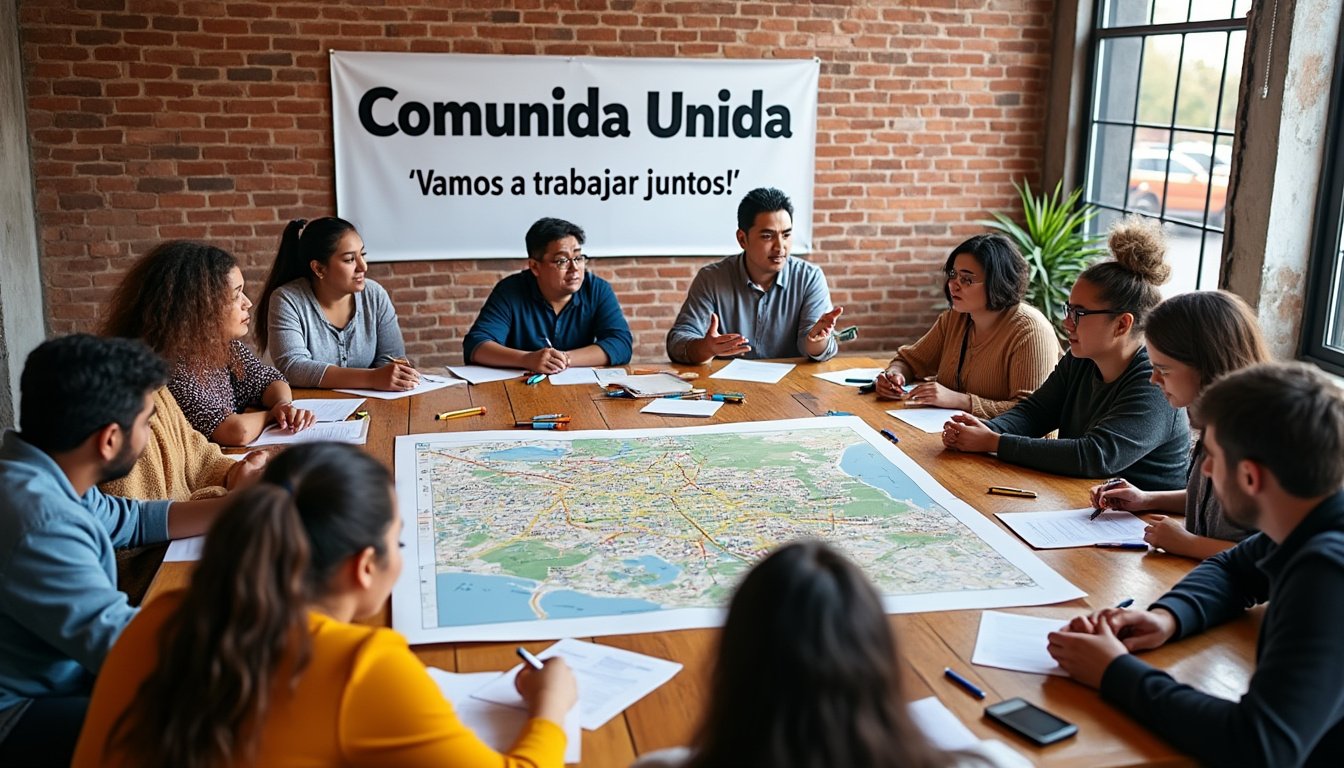
Sixteenth Street sits among a network of community health centers across Milwaukee and the U.S., providing critical primary and mental healthcare to underserved populations largely reliant on Medicaid programs like BadgerCare Plus or lacking insurance.
Community health centers face ongoing uncertainty as federal budgets and healthcare policies evolve. While the Trump administration’s proposed cuts were denied as a motivator here, Congressional debates on Medicaid spending continue, threatening the funding necessary for programs that extend beyond direct clinical care (Wisconsin Population Health Program report).
- These centers must balance direct care delivery with preventive and environmental wellness initiatives.
- Balancing fiscal austerity and health promotion requires difficult program evaluations and sometimes cuts.
- Innovative partnerships, like collaborations with local agencies or health-focused businesses, can offer alternatives but often depend on sustained investment.
Sixteenth Street’s situation underlines a broader challenge in public health: sustaining multifaceted programs addressing social determinants of health within constrained budgets. Similar centers across the U.S. struggle to maintain nutrition, physical activity, and neighborhood health efforts critical to long-term outcomes.
| Funding Source | Program Support | Stability Risks |
|---|---|---|
| Federal Medicaid and Medicare | Supports clinical and some preventive care | Political shifts may reduce allocations |
| State and Local Grants | Often fund community wellness and education | Highly variable, prone to cuts |
| Private and Corporate Sponsorships | Can back specific programs and partnerships | Dependent on economic climate and strategic interests |
| Community Fundraising and Donations | Augment small-scale efforts and pilot projects | Unpredictable and limited in scale |
Exploring avenues for funding including partnerships with brands like Health-Ade, or supportive local businesses such as Whole Foods, can diversify income and strengthen community involvement.
Innovative Strategies and Lessons from Community Centers Promoting Healthy Lifestyles Amid Constraints
Despite setbacks, many community health organizations continue to discover innovative approaches to sustain and grow healthy lifestyle programs. Key strategies include:
- Leveraging Digital Technology: Utilizing apps and wearable devices such as Fitbit or Peloton to engage participants remotely, making exercise and health education more accessible.
- Collaborative Partnerships: Engaging local businesses (including athletic brands like Nike, Adidas, Under Armour, and Lululemon), nonprofits, and government bodies to co-develop resources and share costs.
- Community Empowerment: Transforming participants into peer health leaders, as seen previously in Líderes por la Salud, to foster sustained behavior change.
- Focus on Mental Wellness: Incorporating stress management resources such as Calm into lifestyle initiatives to address holistic health.
- Tailored Nutrition Programs: Adopting models like Blue Apron meal kits and partnering with stores like Whole Foods to facilitate better access to healthy food options.
These strategies reflect a growing recognition that health programs must blend in-person community engagement with technology and commercial collaborations for resilience. Integrating wearable fitness trackers and digital content helps meet individuals where they are and create personalized health journeys.
| Strategy | Example Implementation | Expected Benefits |
|---|---|---|
| Digital Engagement | Providing Fitbit devices and Peloton subscriptions | Improved exercise adherence and motivation |
| Brand Collaboration | Nike-sponsored community runs or Adidas sports clinics | Increased participation due to brand appeal |
| Nutrition Partnerships | Blue Apron cooking classes alongside Whole Foods guided shopping | Better access to nutritious food and skill-building |
| Mental Health Integration | Calm app subscriptions for program participants | Reduced stress and improved emotional wellbeing |
Strategies for Sustaining Healthy Lifestyle Promotion in Challenging Funding Environments
Ensuring long-term viability of healthy lifestyle programs requires a multi-pronged approach that incorporates policy advocacy, community involvement, and innovative funding. Lessons gleaned from this case emphasize critical factors:
- Transparent Communication: Keeping the community informed about program changes to maintain trust and engagement.
- Diverse Funding Portfolio: Combining grants, corporate sponsorships, and local fundraising to buffer against policy-related shocks.
- Evidence-Based Program Selection: Prioritizing interventions with measurable outcomes supported by research such as found in scientific peer-reviewed studies and public health literature.
- Community Empowerment and Leadership Development: Training and supporting local champions to sustain peer-driven health efforts.
Programs aligned with long-term sustainability not only provide immediate health benefits but also build infrastructure and resilience to tackle future challenges. This means ensuring the inclusion of diverse community voices to tailor programs effectively.
| Key Factor | Action Steps | Benefit |
|---|---|---|
| Transparent Communication | Regular updates via newsletters, town halls | Maintains community trust and participation |
| Diverse Funding | Apply for federal and state grants, seek corporate partners | Reduces risk of abrupt program cuts |
| Evidence-Based Focus | Use research data to guide program planning | Ensures program effectiveness and accountability |
| Community Leadership | Train peer mentors and health advocates | Fosters self-sustaining program momentum |
The challenge remains formidable, but innovative and community-rooted strategies promise a path forward. For more details on the pillars of men’s health and community fitness challenges, explore resources like Live Well Magazine’s initiatives.
Frequently Asked Questions about Sixteenth Street’s Program Changes and Community Health Promotion
- Q: Why were Sixteenth Street’s healthy lifestyle programs paused?
A: The organization cited evaluation of program alignment with long-term growth and sustainability goals but did not specify detailed reasons. Funding cuts were denied as a cause. - Q: How will the program cuts affect Milwaukee’s south side residents?
A: The cuts reduce access to nutrition education, exercise promotion, and environmental health initiatives, potentially increasing health disparities and limiting community empowerment. - Q: Are there any ongoing health promotion efforts at Sixteenth Street?
A: Yes, the lead outreach program remains active, focusing on reducing lead poisoning risks, and clinical care continues. - Q: What strategies can help sustain healthy lifestyle programs amidst funding uncertainty?
A: Diverse funding, partnerships with brands like Health-Ade and Whole Foods, leveraging technology like Fitbit and Peloton, and fostering community leadership are key strategies. - Q: Where can I learn more about supporting community health initiatives?
A: Resources include Sixteenth Street’s Community Wellness page and public health articles on evidence-based nutrition and exercise policies.