


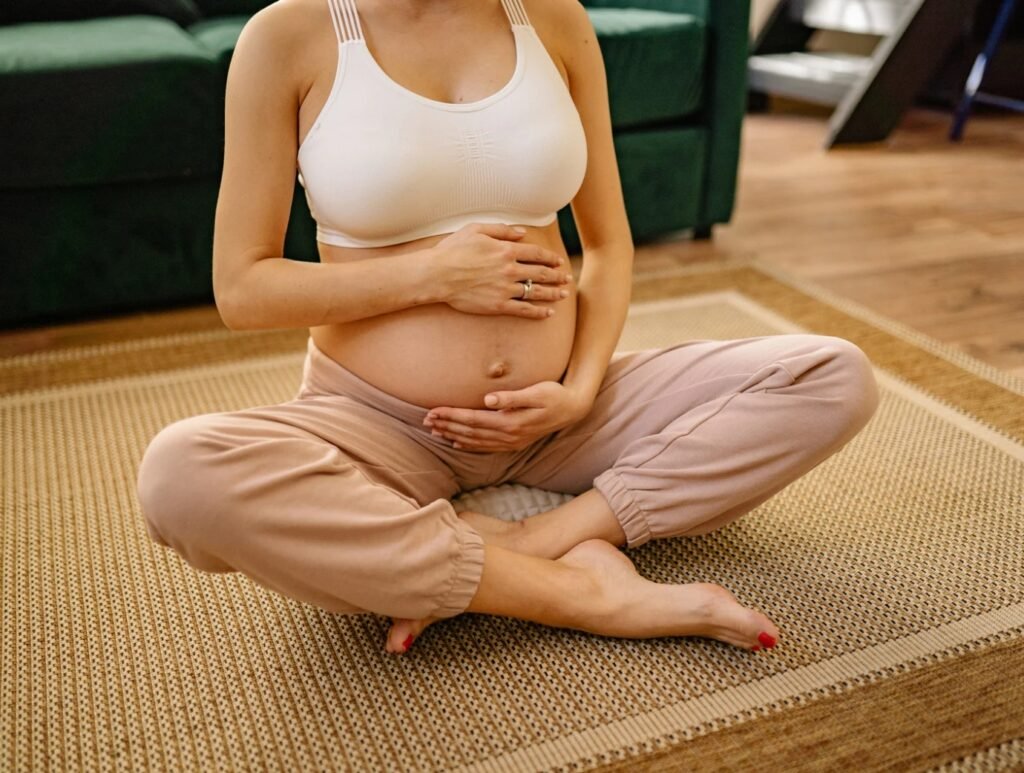
As COVID-19 continues to circulate widely in communities worldwide in 2025, pregnant individuals face particular health considerations. With the virus now endemic, like influenza, understanding the safety and benefits of COVID-19 vaccination during pregnancy has become essential. Experts specializing in obstetrics, maternal-fetal medicine, and reproductive health emphasize that vaccination remains the most effective protection against severe illness for expecting and breastfeeding mothers, safeguarding not only their health but also that of their babies.
Heightened Risks of COVID-19 During Pregnancy and Why Vaccination Matters
Pregnancy induces physiological changes that can increase vulnerability to respiratory illnesses, including COVID-19. Unlike the general population, pregnant individuals have a higher likelihood of experiencing prolonged illness, hospitalization, ICU admission, and the need for mechanical ventilation if infected.
Such severe infections can lead to significant pregnancy complications such as preterm birth, cesarean section, preeclampsia, and postpartum hemorrhage. These risks are amplified in the presence of underlying conditions like obesity, hypertension, or diabetes, and disproportionately affect minority groups.
- Pregnant individuals are not at greater risk of contracting COVID-19, but face increased risk of severe disease.
- Severe COVID-19 increases risk for both mother and fetus, including pregnancy and birth complications.
- Vaccination offers significant protection against severe illness, hospitalization, and death.
As emphasized by the CDC and WHO, COVID-19 vaccines, including those developed by Pfizer, Moderna, and BioNTech, remain a cornerstone of protection for pregnant people.
How Vaccination Shields Both Mother and Child
Vaccination during pregnancy not only protects the mother but also imparts immunity to the baby. Antibodies generated post-vaccination cross the placenta and have been detected in umbilical cord blood, offering newborns protection for the first six months of life. Breastfeeding mothers who receive the vaccine also pass antibodies through breast milk, further enhancing infant immunity.
- Antibodies from mRNA vaccines (Pfizer, Moderna) pass to baby via placenta and breast milk.
- Infants of vaccinated mothers have lower risk of hospitalization for COVID-19.
- Updated seasonal vaccines, similar to influenza shots, target predominant COVID-19 variants each year.
The American College of Obstetricians and Gynecologists (ACOG) advises vaccination in any trimester without delay to maximize benefits.
Making the Decision to Vaccinate During Pregnancy or When Planning Pregnancy
Many expectant parents wonder about vaccine safety around conception and fertility treatments. Extensive global studies involving hundreds of thousands of pregnant and breastfeeding individuals find no link between COVID-19 vaccination and miscarriage, infertility, or adverse fetal effects.
- Vaccines from BioNTech, Moderna, Pfizer, Johnson & Johnson, Novavax, AstraZeneca, Sanofi, and GSK have demonstrated safety in pregnancy.
- There is no need to delay pregnancy or fertility treatments because of vaccination.
- CDC and WHO recommend vaccination for everyone over six months old, including pregnant and lactating individuals.
Experts encourage discussing any personal health concerns with healthcare providers to make informed decisions.
Precautions and Considerations if You Contract COVID-19 While Pregnant
If infected, pregnant individuals should monitor symptoms carefully. Common signs include fever, cough, fatigue, and loss of taste or smell. Managing fever with pregnancy-safe medications like acetaminophen and staying hydrated can help mitigate symptoms.
- Isolate and wear masks around household members to reduce viral spread.
- Contact healthcare providers promptly if severe symptoms such as breathing difficulties appear.
- Virtual prenatal appointments are increasingly available to minimize exposure risks.
While vertical transmission to the fetus is rare, newborns testing positive generally exhibit mild or no symptoms. Pediatric teams are prepared to manage any complications that arise.
Protective Measures Beyond Vaccination for Pregnant and Breastfeeding Individuals
Even with vaccination, some caution remains advisable during periods of high COVID-19 transmission. Wearing masks in crowded indoor spaces, practicing hand hygiene, and limiting exposure to unvaccinated individuals can further reduce risk.
- Stay updated with the latest seasonal COVID-19 vaccines.
- Consider wearing masks during surges of infections, especially indoors.
- Create a vaccinated cocoon around newborns to enhance their protection.
For more strategies on safeguarding your family’s health, visit resources like How to Protect Your Family from Everyday Health Hazards and How to Keep Your Kids Healthy During Cold Season.