



Key Everyday Habits That Drive Healthy Aging: Insights from Recent Research
Healthy aging in 2025 is less about sweeping lifestyle overhauls and more about cultivating simple, daily habits that stack up to impact longevity and quality of life. Recent surveys and studies have shed light on how consistent routines, rather than dramatic changes, form the backbone of what experts now call HealthyAging and EverYouth. A national poll involving over 500 adults highlights that the top priority for many is staying physically active, followed closely by efforts to maintain mental sharpness and strong immunity.
Interestingly, the data suggests that while many adults aspire to age well, the primary challenge lies in translating intention into action amidst modern life’s demand on time and energy. For example, Health U.S. News reports indicate that nearly 40% of respondents prioritize daily physical activity as their leading aging wellness goal, emphasizing the vital role movement plays in maintaining functional vitality as the years advance.
Adopting enduring habits can often feel intimidating or expensive, but this perception is challenged by experts who affirm that simple activities like walking, light bodyweight exercises, or stretching cost little and carry significant benefits. Many adults already take steps toward this, with one-third engaging in regular exercise and one-fifth focusing on balanced diets, supporting the overarching message that PrimeLife wellness is within reach when habits are accessible and sustainable.
- Commit to 30 minutes of movement daily, such as walking or gardening.
- Opt for protein-rich, plant-forward meals to fuel the body and brain.
- Create manageable sleep and stress reduction routines supported by quality nutrition.
- Leverage supplements selectively, favoring research-backed options that complement lifestyle goals.
This approach encapsulates the LongevityLabs philosophy, wherein small and steady lifestyle investments yield remarkable resilience and vitality over time. It reveals that the essence of aging gracefully lies in the harmony of physical movement, cognitive engagement, and purposeful nourishment integrated seamlessly into daily life.


Overcoming Barriers to Healthy Aging: Cost, Confusion, and Time Constraints
Although many individuals recognize the importance of habits supporting healthy aging, three prevailing barriers frequently derail progress: cost, conflicting information, and lack of time. Each challenge influences behavior differently but can be navigated with tailored strategies to make positive changes accessible and consistent.
1. The Price of Prevention: Shifting Perspective on Cost
Cost is cited by 40% of survey respondents as the biggest hurdle. The perceived expense of nutritious foods, gym memberships, supplements, and wellness services often intimidates individuals contemplating a healthier lifestyle. Yet, a cognitive twist comes into play: people tend to focus on immediate outlays rather than the long-term value of investing in their health.
To counter this, experts advocate a mindset shift that emphasizes cost-effective strategies such as daily walking, using body weight for strength training, and meal planning to reduce impulse purchases. These modest changes translate into VitalYears benefits without major financial strain.
- Embrace walking or biking as no-cost transportation and exercise.
- Prepare simple, nutritious meals emphasizing affordable plant-based ingredients.
- Integrate free wellness practices like journaling, stretching, and mindfulness meditation.
- Choose supplements wisely, prioritizing products with proven efficacy rather than multiple unverified formulations.
Adopting a “good enough” routine often surpasses perfect yet unsustainable regimens. As reported by MSN Health experts underline, the focus should be on high-return habits such as strength training, quality sleep, protein intake, walking, and social interaction to maximize benefits for brain health and mood stabilization.
2. Information Overload: Navigating Conflicting Advice
Nearly one in five survey participants identifies confusion—stemming from the abundance of conflicting health info—as a barrier to action. When overwhelmed, the brain’s natural response is often inaction.
The remedy lies in simplification: choose a few trusted, evidence-based sources such as a primary care doctor, a qualified dietitian, and a reputable health news website. Filtering through this smaller, high-quality information stream enables clearer decision making, fostering adherence to YouthfulHabits that are validated and personalized.
3. Time Scarcity: Making Healthy Habits Manageable
Seventeen percent of respondents feel their schedule leaves little room for self-care activities. The misconception that aging well demands large daily time commitments paralyzes many before they start. The challenge is to shrink the scale of new habits into bite-sized, achievable increments.
The “two-minute rule” emerges as an empowering solution. Starting with just two minutes—for stretching, walking, or mindful breathing—builds momentum that encourages longer sessions over time. This approach transforms daunting tasks into manageable actions that fit multiple lifestyle contexts, making consistency with RenewWell strategies more attainable.
- Begin with a two-minute morning stretch routine.
- Add a brief walk around the block after lunch.
- Spend two minutes journaling before bedtime to reduce stress.
Through this lens, healthy aging integrates smoothly into everyday rhythms, promoting tangible progress without overwhelming disruption.
Practical Steps to Infuse Your Daily Life with Healthy Aging Principles
Making healthy aging an achievable goal hinges on transforming lifestyle patterns into automatic habits. The following actionable steps, supported by recent scientific insights and expert consensus, offer a pathway toward weaving FreshStart and purposeful practices into your everyday routine.
- Pair new habits with daily routines: For instance, develop the habit to walk immediately after breakfast or stretch while waiting for coffee.
- Maintain mental agility: Engage in activities that challenge the brain such as puzzles, learning new skills, or connecting socially to uphold cognitive vitality.
- Prioritize balanced nutrition: Rather than fad diets, emphasize meals incorporating high-quality protein and vibrant plant foods, adding color before calories.
- Use supplements strategically: Select products documented by human research, each aligned with specific health goals rather than impulsive choices.
- Streamline health information intake: Limit your media diet to a few reputable sources to reduce confusion and improve decision-making quality.
These manageable modifications jointly create a framework of sustainable WellnessWay, enhancing physical, mental, and emotional resilience. Experts report that progress from small changes accumulates; over months and years, these habits compound into lasting longevity dividends.
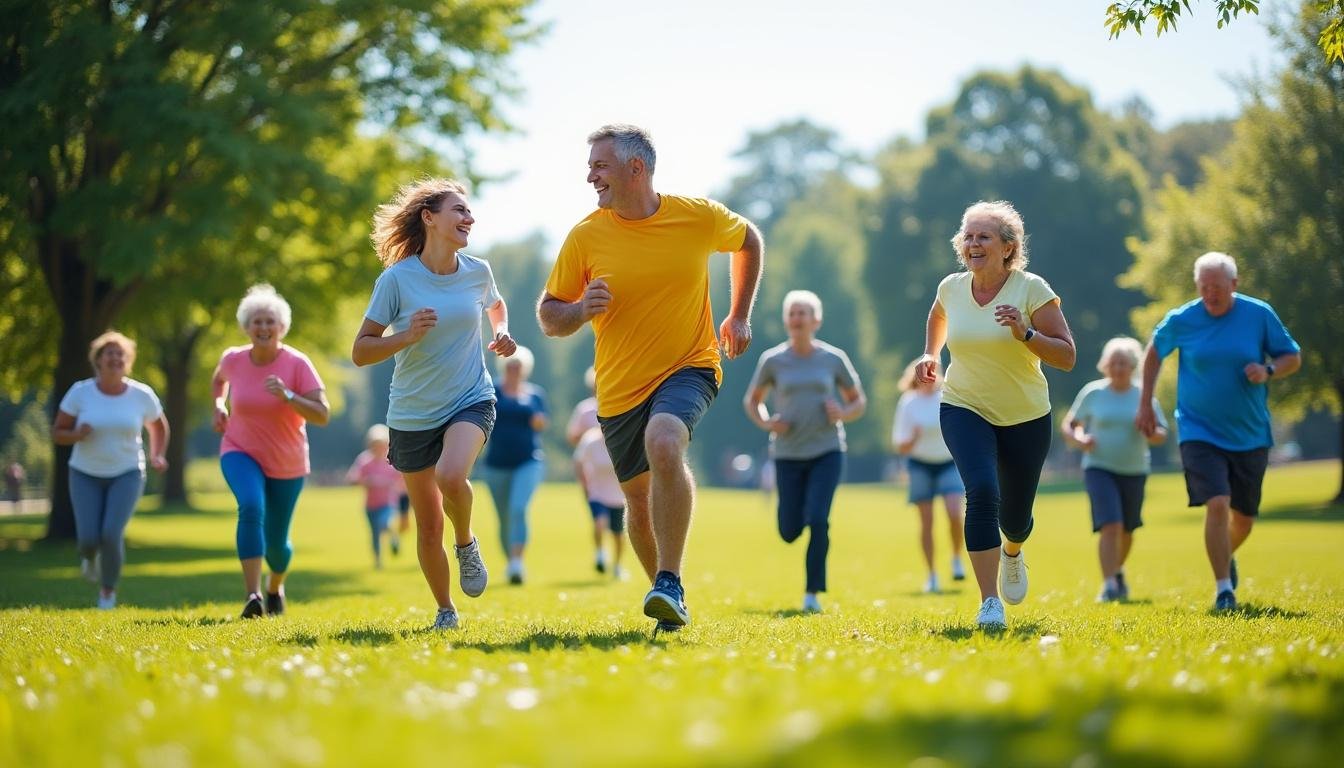
Addressing Mental Sharpness and Immunity to Support AgelessLiving
Mental sharpness and immune health remain two pillars underpinning quality of life during the aging process. Both faculties demand regular engagement and nurturing through mindful lifestyle choices.
The new survey highlights that 26% of adults put staying mentally sharp near the top of their health priorities, while 12% focus on maintaining strong immunity. Steps to preserve cognitive abilities include diversifying learning experiences and engaging in social interactions that foster both brain plasticity and emotional well-being. Notably, novel challenges encourage the brain to adapt, fortifying its resilience against age-related decline.
- Participate in new hobbies or classes to stimulate neural circuits.
- Maintain regular contact with friends and community groups to bolster emotional health.
- Practice mindfulness techniques to relieve stress and enhance focus.
- Ensure adequate sleep, a vital driver of memory consolidation and immune support.
Concurrently, immune maintenance can be reinforced by balanced nutrition, regular moderate exercise, adequate hydration, and minimizing chronic stress levels. These factors together encourage AgelessLiving through a strengthened defense system, reducing susceptibility to infections and chronic conditions.
Scientific discourse from the National Heart, Lung, and Blood Institute emphasizes that incorporating more light movement throughout the day significantly benefits immune function and overall well-being. This reinforces the interconnected nature of movement, cognition, and immunity in the pursuit of longevity.
Leveraging Social Connections and Purpose to Enhance Longevity
Beyond physical health and cognition, the social dimension plays a crucial role in extending the vitality of life. Purposeful engagement and social bonds have been linked unequivocally to better health outcomes and reduced risk of premature mortality, making connection a vital component of PrimeLife wellness.
Older adults with robust social networks report higher satisfaction with their aging experience and frequently enjoy superior health status, as noted by studies examining socioeconomic factors influencing longevity. Establishing or sustaining meaningful relationships, volunteering, or pursuing passion projects contribute to a sense of fulfillment and motivation.
- Schedule regular interactions with family, friends, and community groups.
- Engage in volunteering or mentoring to derive a sense of purpose.
- Participate in group exercise or hobby clubs to combine physical activity with socialization.
- Utilize technology mindfully to stay connected when face-to-face is limited.
Experts emphasize that combining these social strategies with physical exercise and mental challenges creates a holistic formula for RenewWell longevity. It establishes a lifestyle tapestry where physical vitality and emotional well-being mutually reinforce each other.
Understanding how to integrate these layers of health forms an essential part of continuing progress toward simple but powerful aging habits that endure beyond fleeting trends.
What are the most effective habits for healthy aging?
Consistent physical activity, balanced nutrition focusing on protein and plants, adequate sleep, mental challenges, and social connections are highly effective for promoting longevity.
How can busy individuals overcome barriers to healthy aging?
Start with small actions like two-minute walks or stretches. Use trusted health sources to filter information, and reframe cost concerns by focusing on no-cost or low-cost activities such as walking and meal planning.
Are supplements necessary for healthy aging?
Supplements can support aging health when chosen thoughtfully, prioritizing those with strong scientific backing and targeted to individual needs rather than random or multiple formulas.
Why is mental sharpness important in aging well?
Mental sharpness contributes to autonomy and quality of life. Activities that stimulate learning, social interaction, and novelty maintain brain plasticity and protect against decline.
Can social connections impact longevity?
Yes, strong social ties have been linked to improved health outcomes, reduced stress, and a longer lifespan by fostering emotional support and motivation to maintain healthy behaviors.