


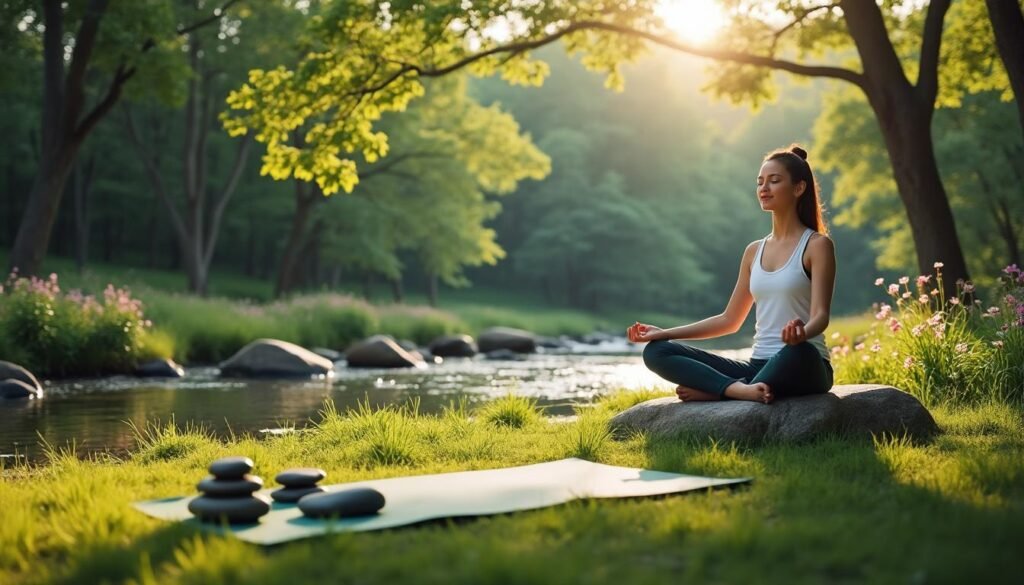
In today’s fast-paced world, feelings of anxiety and stress have become increasingly prevalent, affecting millions globally. Yet, some level of anxiety can be a natural and even beneficial part of life, sharpening our awareness and motivating preparation in challenging moments. Unfortunately, for many individuals, anxiety is persistent and overwhelming, disrupting daily activities and quality of life. Fortunately, alongside conventional treatments, numerous natural remedies offer promising paths toward anxiety relief and stress management without the side effects associated with some medications.
From physical activity and herbal supplements to mindfulness techniques and aromatherapy, these approaches tap into your body’s innate ability to restore calm. Incorporating strategies such as meditation and adopting healthy lifestyle habits not only relieves symptoms but fosters sustainable mental well-being. Whether you are exploring options alongside professional guidance or seeking purely natural methods, the evolving research landscape continually illuminates effective, accessible tools.
In this comprehensive guide, we will unveil a spectrum of holistic techniques—from the benefits of regular exercise to the soothing power of essential oils and the mental reset provided by journaling and supportive social connections. Understanding how to tailor these practices can empower you to manage anxiety more effectively and nurture your resilience. Through deliberate actions and informed choices, achieving a state of calm and balance becomes an attainable goal in 2025 and beyond.
Effective Exercise Strategies for Natural Anxiety Relief
Exercise stands out not only for enhancing physical health but as a potent natural remedy for anxiety. Scientific studies reveal that even moderate, regular aerobic activity produces a measurable reduction in stress levels. A notable 6-week study involving 185 university students found that exercising just two days per week significantly decreased their perceived stress and uncertainty. This type of movement prompts the release of endorphins—our body’s natural mood elevators—helping to break the grip of anxious thoughts.
Starting with manageable activities like walking, swimming, or biking allows you to build momentum. The key lies in consistency and enjoyment:
- Engage in at least 150 minutes of moderate-intensity exercise weekly, as recommended by health authorities.
- Include muscle-strengthening activities two days a week to enhance overall well-being.
- Select favorites that connect with your lifestyle, whether gardening, dancing, or yoga.
- Use exercise as a mindful escape—focus on bodily sensations to help silence racing thoughts.
- Consider joining group classes or sports teams for added social support and motivation.
Implementing these habits can significantly improve your mood and resilience while contributing to a calm mental state.


Harnessing Herbal and Aromatic Remedies for Anxiety
The use of herbs and essential oils has garnered attention in recent years as a complementary approach to anxiety management. Herbal supplements like chamomile and lavender have demonstrated a calming effect, potentially easing symptoms of generalized anxiety disorder. The Honest Company and Nature Made, among other trusted brands, offer high-quality products ensuring safety and efficacy.
Essential oils delivered through aromatherapy provide a multisensory method to promote relaxation. Scents such as:
- Lavender – widely recognized for its mood-stabilizing properties.
- Ylang ylang – helps reduce nervous tension.
- Bergamot – known to improve relaxation and elevate mood.
- Clary sage – associated with lowering cortisol levels.
- Grapefruit – energizes and reduces fatigue.
You can implement aromatherapy via diffusers, scented bracelets, or applying diluted oils on pulse points.
Introducing CBD oil derived from hemp adds another dimension. With minimal THC, it offers potential anti-anxiety benefits supported by emerging research. Available in tinctures, gummies, and topical creams from trusted sources like Dr Teal’s and Essential Living, CBD provides accessible options for those seeking natural anxiety relief.
Mindfulness, Meditation, and Breathing Techniques to Soothe Stress
Mindfulness and meditation practices cultivate presence, helping you disengage from intrusive worry and cultivate calm. Mindful Nation initiatives have emphasized the importance of such techniques in enhancing mental health across communities. Even brief, regular sessions can improve mood, lower heart rate, and ease anxiety symptoms.
Complementary breathing exercises play a crucial role. Anxiety often triggers shallow, rapid breaths, which can worsen panic and discomfort. Deep, diaphragmatic breathing:
- Slows down the heart rate.
- Redirects focus away from anxious thoughts.
- Promotes a state of relaxation and mental clarity.
Practicing controlled breathing several times daily establishes a natural “reset” mechanism in moments of tension. Incorporating weighted blankets during rest further enhances these benefits by activating your body’s relaxation response, gently calming the nervous system into “rest mode.”
Building Emotional Support and Healthy Boundaries for Anxiety Management
The connection between social support and stress resilience is undeniable. Studies illustrate that individuals with reliable networks of family, friends, or support groups experience lower levels of perceived stress. Engaging in community, joining clubs, or volunteering provides meaningful interaction and a buffer against anxiety.
Key strategies include:
- Identifying trustworthy people with whom you can share your feelings openly.
- Setting clear boundaries to prevent additional emotional strain.
- Learning to say “no” to activities or requests that exacerbate your stress.
- Using journaling as a reflective tool to process emotions and combat negative thought cycles.
- Reducing excessive screen time to improve quality of sleep and mental rest.
Navigating daily stress with these intentional habits creates a strong foundation for mental wellness.
Diet, Lifestyle Changes, and Nutritional Support to Counteract Anxiety
Nutrition profoundly influences how the body responds to stress. Consuming a diet rich in whole, nutrient-dense foods fosters chemical balance within your brain and body. Key nutrients like magnesium and B vitamins are vital for regulating mood and calming the nervous system.
Conversely, frequent intake of ultra-processed foods can worsen stress and increase anxiety. Consider these practical dietary tips:
- Minimize consumption of processed snacks, sugary drinks, and fast food.
- Incorporate plenty of fruits, vegetables, whole grains, nuts, and seeds.
- Ensure adequate hydration and limit caffeine intake to avoid overstimulation.
- Explore supplements from reputable brands such as Nature Made to fill dietary gaps.
- Practice mindful eating to reconnect with hunger and fullness cues.
Pairing these choices with lifestyle improvements—like reducing alcohol and quitting smoking—helps eliminate substances known to aggravate anxiety, promoting clearer thought and calm.
For more in-depth approaches to natural anxiety management, consult resources such as Choosing Therapy’s guide on natural remedies and Healthline’s comprehensive stress relief techniques.