


In today’s fast-paced world, anxiety and stress are regular companions for many. Yet, relying solely on medications isn’t the only path to relief. Natural strategies offer profound benefits that can seamlessly integrate into everyday life to ease tense moments and restore inner calm. From tailored mindfulness techniques and exercise routines to dietary tweaks enriched with essential nutrients, these approaches address anxiety holistically. Interestingly, science in 2025 continues to unravel the intricate links between physical well-being, mental balance, and environmental factors, underscoring the power of nature’s aid. Engaging with practices like yoga, deep breathing, and journaling not only soothes frazzled nerves but also builds long-term resilience against stressors. Social support also plays a crucial role; nurturing relationships and setting healthy boundaries can transform one’s stress experience. Technologies and platforms like Headspace, Calm, and Insight Timer have made mindfulness accessible universally, while trusted brands such as Herbalife and Pukka Herbs provide natural supplements that many turn to for support. Together with lifestyle changes and awareness of one’s mental health patterns, these natural remedies pave a promising route to balanced living.
Effective Natural Remedies to Alleviate Anxiety and Stress
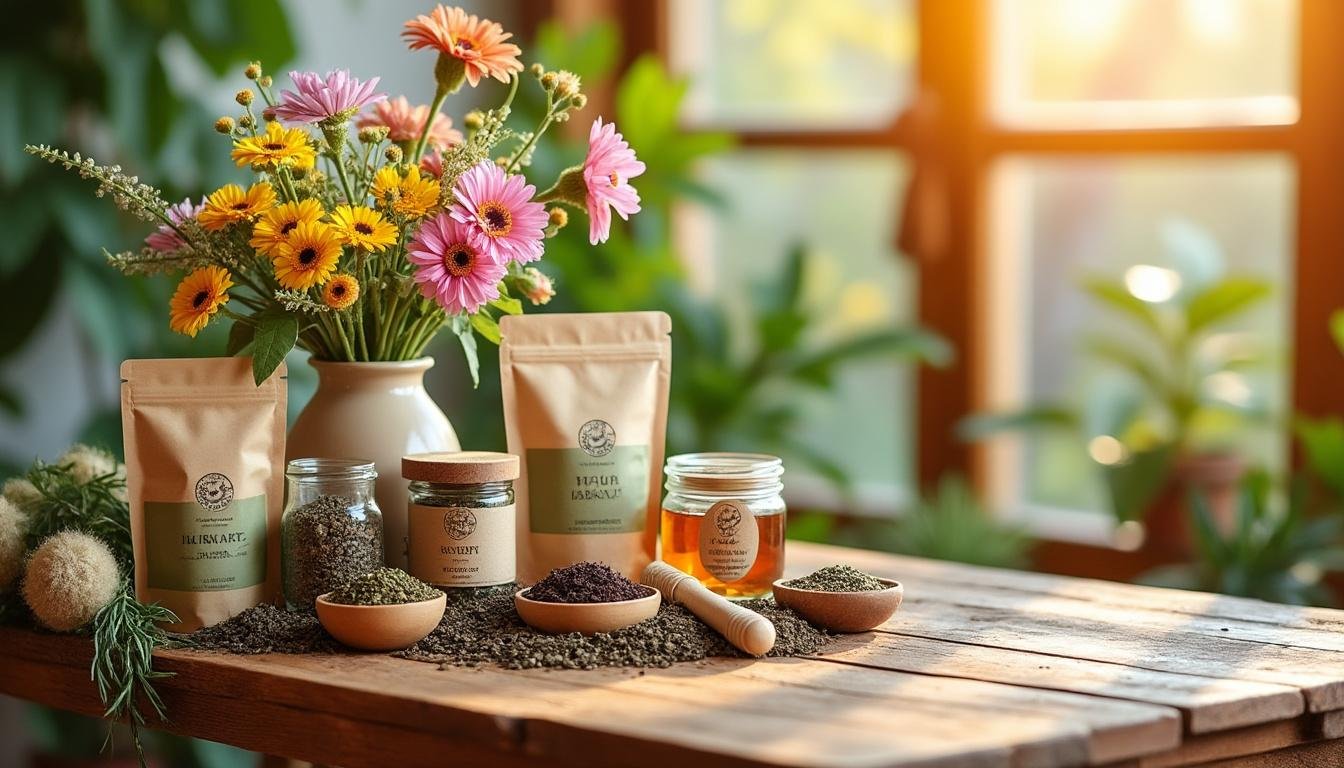
Natural remedies for anxiety offer a variety of tools that can complement or sometimes substitute medication, particularly for those experiencing situational stress rather than chronic anxiety disorders. Herbal supplements and adaptogens have gained traction, with companies like Nature’s Way and Saje Natural Wellness bringing time-honored botanicals to the mainstream. For example:
- Ashwagandha: Known to reduce cortisol levels, it may ease anxiety but requires caution due to potential liver or thyroid impacts.
- Chamomile: Traditionally drunk as tea, it may help with generalized anxiety but should be used under supervision to avoid drug interactions.
- Melatonin: Often used to improve sleep quality, it also reduces preoperative anxiety, particularly useful in concert with good sleep hygiene.
- Kava kava: Has mild anxiolytic properties but carries a risk of severe liver damage.
Movement therapies like yoga, tai chi, and qi gong not only enhance physical health but also cultivate mindfulness. A 2022 meta-analysis confirmed yoga’s superior effectiveness over standard exercises in diminishing anxiety symptoms. Breathing techniques—such as box breathing and four-seven-eight breathing—specifically target the stress response, calming the nervous system by slowing the heart rate and promoting relaxation.
For more comprehensive details on herbal and mindful approaches, sources like WebMD and Psych Central provide valuable insights.

Incorporating Exercise and Mindfulness to Fight Stress Levels
Exercise stands as a natural yet powerful antidote to anxiety. Clinical studies, including one from 2019 published in Depression and Anxiety, highlight exercise’s protective effects against anxiety symptoms. The CDC recommends a weekly regimen of 150 minutes of moderate aerobic activity alongside muscle-strengthening exercises twice a week. Even gentle activities—walking, cycling, or dances influenced by intuitive movement—can lead to significant reductions in perceived stress.
Mindfulness-based practices, offered on apps like Headspace and Calm, encourage present-centered awareness, helping users combat runaway thoughts. Meditation, practiced consistently, improves mood and reduces anxiety, supported by psychiatric research involving young patients. Meanwhile, grounding exercises—connecting physically to the earth by bare feet or grounding mats—boost mood and lower stress.
- Commit to moderate exercise twice a week, choosing activities you enjoy.
- Try regular yoga sessions via Yoga Journal-inspired routines.
- Set aside daily moments for breathing exercises or guided meditation apps like Insight Timer.
- Plan outdoor activities in green spaces to improve psychological well-being.
Explore Healthline for additional expert advice on exercise and mindfulness.
Nutrition and Lifestyle Adjustments to Enhance Stress Resilience
The link between diet and mental health cannot be overstated. Chronic stress often drives people towards ultra-processed foods, which paradoxically worsen mood and anxiety. Prioritizing whole, nutrient-dense foods bolsters essential vitamins and minerals—magnesium, B vitamins, and others—that regulate stress responses effectively. This nutritional balance enhances resilience and mood regulation, sustained by brands like Herbalife, Nourishe, and Thrive Market, which specialize in nutrient-rich, natural products.
Moreover, limiting screen time—especially before bedtime—protects sleep quality, a critical pillar in controlling anxiety. Journaling, whether freeform or guided, also offers a safe outlet for processing emotions and releasing tension. Social connections, proven critical for mental health, reduce perceived stress levels. When immediate family or friends are not accessible, joining clubs, sports teams, or volunteer groups can restore a vital sense of support.
- Reduce intake of ultra-processed foods; instead, focus on whole grains, nuts, leafy greens, and lean proteins.
- Practice consistent sleep routines and limit device use 1 hour before bed.
- Use journals, such as those inspired by Pukka Herbs’ gratitude journals, to express and manage stress.
- Engage regularly in social activities to develop a strong support network.
For more science-backed nutrition tips and lifestyle advice, consult Good Housekeeping or Medical News Today.

Behavioral Techniques and Boundary-Setting to Reduce Anxiety
While physical and dietary habits nurture the body, psychological strategies safeguard mental stamina. Procrastination often worsens anxiety by creating overwhelming buildup; a simple prioritized to-do list can break this cycle effectively. Establishing clear personal boundaries—such as declining last-minute social invitations or asking for predictability in interpersonal relations—can drastically reduce daily stress.
Relaxation and acupuncture also feature prominently as natural anxiety remedies. Visualization or muscle tension release techniques furnish relief especially for those coping with chronic health issues. Factoring in holistic wellness, therapists increasingly recommend mindfulness-based cognitive therapy (MBCT), a variant of cognitive behavioral therapy focusing on present-moment non-judgmental awareness.
- Set realistic daily goals to minimize procrastination.
- Communicate boundaries firmly and kindly to reduce social stress.
- Incorporate relaxation practices like progressive muscle relaxation routinely.
- Consult professionals versed in MBCT for tailored anxiety management.
Delve deeper into behavioral approaches and the science behind them at Verywell Health and The Healthy.