



Jervis’s Innovative Approach to Healthy Hygiene and Mindfulness
In 2026, the spotlight on holistic health has never been more intense, and Jervis spearheads this movement with a transformative program designed to elevate healthy hygiene alongside mindfulness. This innovative program stands out by combining traditional personal care routines with modern wellness practices, creating a multi-dimensional approach to both physical and mental well-being.
At its core, the program recognises that healthy hygiene extends well beyond the simple acts of washing hands or brushing teeth. Instead, it emphasizes the integration of these actions within a broader framework of self-awareness and mental health awareness. For example, the program incorporates mindfulness exercises during daily hygiene routines to foster calmness, intentionality, and an enhanced sense of self-care. Participants learn to transform routine actions into moments of reflection, thus promoting sustained wellness.
The integration of mindfulness into hygiene practices is supported by recent research highlighting how simple awareness techniques can profoundly impact emotional regulation and reduce stress. By encouraging participants to engage in conscious breathing during handwashing or mindful brushing, the program subtly enhances mental health while maintaining excellent physical hygiene.
This fresh take on health promotion also acknowledges the vital role that environments play in shaping habits. Jervis incorporates educational workshops that engage families and communities, ensuring that healthy habits are not confined to isolated instances but instead become embedded within daily life across different settings. Such strategies are essential for sustained behavioral change in 2026’s dynamic social landscape.
Beyond individual benefits, the program also addresses communal wellness by fostering connections between participants and their support networks. Through a school-to-home connection component, the program leverages educational settings to bridge lessons on mindfulness and hygiene with reinforcement activities at home, amplifying the impact of health promotion.
Jervis’s approach reflects a growing recognition in the health community that wellness is multidimensional, encompassing body and mind, and that sustainable self-care demands integrating these domains. This innovative program thus stands at the forefront of health promotion strategies today.

Components of Jervis’s Program: From Classroom to Home
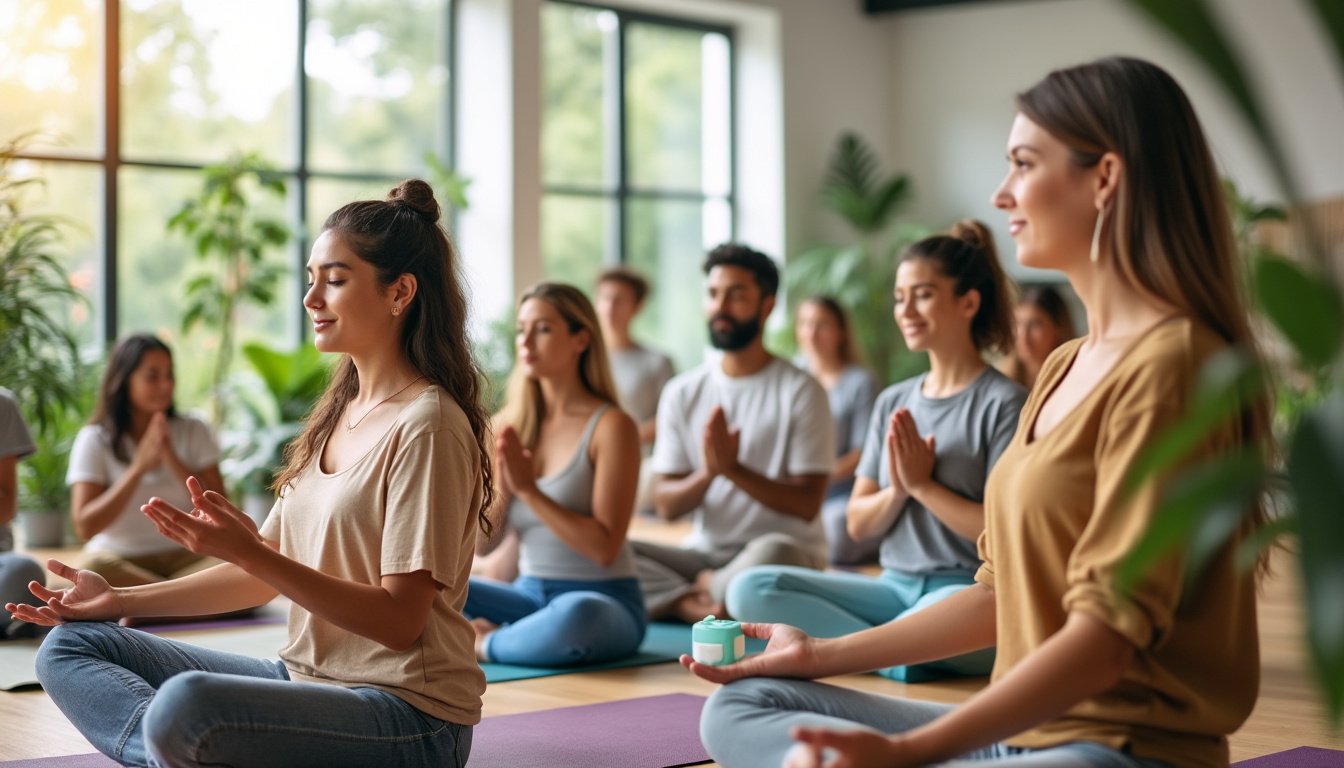
The building blocks of the Jervis program revolve around three interrelated components that emphasize educational depth and familial involvement. First is the School-Based Mindfulness Lessons, which introduce young learners to the basics of mindfulness by integrating activities such as explorative eating, yoga, and controlled breathing exercises. These lessons provide children with tools to become aware of their bodies and emotions, grounding their experience in both present-moment awareness and bodily health.
In practice, preschoolers might be guided through tasting a variety of healthy foods while paying close attention to texture, flavor, and smell, which supports both nutritional education and mindful eating habits. This method fosters awareness of the sensory experience and promotes healthier relationships with food and self-care routines as children grow.
The second pivotal element is the Home-Based Parent Program. Recognizing the influence parents exert on children’s habits, this component equips caregivers with tailored resources designed to reinforce mindfulness and hygiene concepts learned at school. These resources include simple yet effective exercises and guidelines that parents can adopt in daily routines to support their children’s development of healthy, mindful habits at home.
Importantly, this two-way approach between school and home ensures that health promotion transcends institutional boundaries, facilitating continuous engagement and encouragement. For instance, parents are encouraged to practice mindful personal care alongside their children, turning ordinary moments like bathing or handwashing into wellness rituals.
The final pillar is the School-to-Home Connection, which strengthens the parent-child relationship through shared experiences of mindfulness and hygiene education. By creating seamless collaboration between educators and families, the program nurtures environments where mindfulness and healthy hygiene become shared values.
Such comprehensive program components align with broader efforts across educational institutions highlighted in research projects at Michigan State University focused on fostering healthy futures for every child. These frameworks are increasingly vital in 2026 as mental and physical health promotion becomes more intertwined.
This triad of interconnected initiatives sets a high standard for integrated wellness programs, bridging gaps between knowledge and practice both within community settings and households.
Enhancing Wellness Through Mindfulness and Personal Care
Wellness encompasses both the physical and mental dimensions, and Jervis’s program integrates these facets through an emphasis on personal care as a conduit to mental calmness and emotional balance. In 2026, wellness is rightly seen as a holistic pursuit, where personal hygiene habits act as gateways to broader self-care and mental well-being.
Mindfulness, as a scientifically supported practice, serves as a powerful enhancer for wellness programs. Studies increasingly illuminate how mindful meditation and routine awareness can reduce anxiety, improve sleep, and boost emotional resilience. Jervis’s program leverages these findings by embedding mindfulness into everyday personal care activities. For example, taking intentional deep breaths while brushing teeth can reduce daily tension and foster a moment of peace before the day unfolds.
This fusion of hygiene and mindfulness underlines the importance of routine not just for physical health but also as a way to sustain psychological well-being. Wellness is nurtured through deliberate practices that create positive neural pathways, making self-care an enjoyable and consistent experience rather than a chore.
To support this, participants are guided to develop daily rituals that incorporate both hygiene and mindfulness, strengthening a habit cycle that promotes overall mental health. These rituals may include steps such as:
- Starting the day with a short breathing meditation before personal grooming
- Engaging in sensory awareness during handwashing or skincare
- Performing gentle yoga stretches to awaken the body mindfully
- Journaling reflections on how self-care practices affect mood and stress levels
The effectiveness of these strategies is amplified by community sharing sessions that encourage participants to discuss successes and challenges, fostering social support networks.
The approach resonates with broader corporate initiatives like lululemon’s ongoing dedication to mental health and well-being by 2030, emphasizing movement and mindfulness as pillars of health promotion across diverse populations.
Health Promotion in the Context of Mental Health and Self-Care
The conversation around health promotion in 2026 cannot be complete without emphasizing the intersection of mental health and self-care. Jervis’s program actively contributes to this by positioning healthy hygiene routines within a wider framework that supports psychological resilience and emotional awareness.
By encouraging participants to become more aware of their emotional states during self-care, the program helps individuals recognize signs of stress or emotional imbalance early. For instance, mindful breathing exercises practiced during daily hygiene can serve as effective tools to manage anxiety or depressive symptoms, reinforcing the mind-body connection.
This health promotion model also highlights the importance of education around stress management and wellbeing habits. Resources available for parents and caregivers stress the need for patience and positivity when developing new behaviors, ensuring that the path to wellness is accessible and sustainable for all ages.
Expanding further, Jervis collaborates with community initiatives such as Project Hygiene, which supports underprivileged youth by promoting health and wellness while campaigning against bullying. These partnerships deepen the social impact of the program, illustrating the link between hygiene, mental health, and community well-being.
A focus on resilience is increasingly recognized as essential in our fast-paced and often stressful society. By embedding mindfulness into the routine of self-care and hygiene, the program encourages individuals to cultivate calmness and emotional strength, which translates into better handling of daily challenges.
This multifaceted approach aligns with research and wellness resources such as those offered by the University of Michigan, which provide faculty and staff with mindfulness tools and self-guided wellness programs to enhance mental health at work and home.
Ultimately, integrating hygiene education with mindfulness underscores the broader purpose of health promotion in 2026—to create empowered individuals who prioritize their overall well-being through consistent and informed self-care.
Building Awareness and Wellness for Sustainable Health
Awareness represents a cornerstone of Jervis’s program and a vital factor in achieving lasting wellness. By focusing on health promotion that emphasizes awareness, the program cultivates proactive attitudes toward both physical hygiene and mental well-being.
Awareness in this context extends beyond mere knowledge—it involves a conscious recognition of the impact habits have on one’s health and the environment. For example, parents and children alike learn to identify cues of physical discomfort or emotional strain and respond with appropriate self-care actions. This heightened perception fosters healthier choices and strengthens the capacity for self-regulation.
To ensure sustainability, the program incorporates community engagement events such as those featured by Jervis Library, which host workshops promoting wellness through mindfulness and healthy hygiene education. These events offer platforms to share experiences and knowledge, strengthening local networks committed to health advancement.
In practice, awareness achieved through interactive lessons and reflective exercises supports individuals in managing their health proactively rather than reactively. This is crucial, as modern lifestyles often push people into neglecting foundational practices like adequate handwashing or stress management.
The program also champions the role of technology in supporting wellness by integrating resources from platforms like Jervis Systems, which simplify access to health-promoting routines through automation tools.
Additionally, the program highlights key lifestyle habits essential to health maintenance, including:
- Regular mindfulness meditation to calm the nervous system
- Consistent personal hygiene practices aligned with wellness goals
- Positive digital habits that balance screen time and real-world interaction
- Movement and exercise to complement mental health efforts
- Community support and continuous education on healthy living
This comprehensive method of raising awareness and fostering wellness lays a strong foundation for sustained health benefits for individuals and communities alike.
Learn more about how mindfulness and hygiene initiatives are shaping health promotion through insights shared in resources such as why doctors are increasingly valuing mindfulness meditation and explore upcoming community programs at the Jervis Library events page.
How does combining mindfulness with hygiene improve health outcomes?
Combining mindfulness with hygiene makes routine self-care activities opportunities for stress reduction and increased awareness, thereby improving both physical health through better hygiene and mental health through mindful calming practices.
What role do parents play in reinforcing mindfulness and hygiene in children?
Parents act as key reinforcers by integrating program resources into daily home routines, modeling healthy habits, and creating a supportive environment that bridges school experiences with family practices.
Can mindfulness practices during hygiene routines be beneficial for adults as well as children?
Absolutely, mindfulness incorporated into hygiene routines benefits people of all ages by promoting relaxation, emotional balance, and self-awareness, which can lead to improved mental health and more consistent self-care behaviors.
How do community events contribute to the success of this health promotion program?
Community events foster engagement, shared learning, and social support, which are critical ingredients for sustaining healthy behaviors and raising collective awareness about wellness and hygiene.
In what ways does technology support the program’s goals for wellness?
Technology platforms like Jervis Systems simplify access to automated personal care reminders, wellness resources, and educational content, enhancing adherence to health routines and mindfulness practices.