


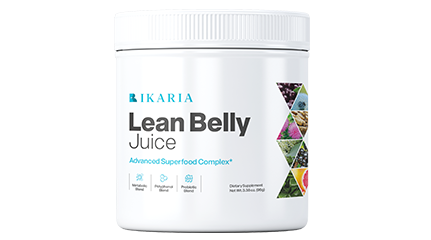
Ikaria Juice vs other supplements: a practical comparison
If you’re shopping for a product to support metabolism, you’ll see powders, pills, teas and liquids all claiming to speed up calorie burn. One of the newer options on the market is Ikaria Lean Belly Juice — marketed as a drink-mix that targets ceramides and supports the liver to help with stubborn fat and energy levels. For a broader look at available options, Compare options on our main Ikaria Juice reviews page.
What Ikaria Juice is marketed as
The maker presents Ikaria Lean Belly Juice as an ancient-inspired, powdered “juice” you mix into water. It is marketed as a formula that activates metabolism, targets ceramides (a compound the product claims can encourage fat accumulation) and supports liver and digestive health. The powder lists several key ingredients — fucoxanthin (a marine carotenoid), Panax ginseng and Bioperine (black pepper extract) — that the maker says work together to boost metabolism, fat conversion and energy.
How that compares with other supplement types
- Powders (like Ikaria Juice): Typically mixed into drinks, powders can contain blends of botanicals, fibres and micronutrients. They are often marketed for gradual daily support and may suit people who prefer flavourable, drinkable formats.
- Pills and capsules: Compact and convenient for travel, these usually deliver concentrated extracts in standardised doses. Many thermogenic or metabolic supplements come in capsule form and focus on caffeine, green tea extract, or specific single-ingredient extracts.
- Teas and infusions: Marketed as gentle metabolism boosters; often based on green tea, oolong or herbal blends. Easiest to fit into a daily routine but tend to provide lower doses of active compounds.
- Protein/meal-replacement shakes: Aim to support weight management by replacing meals and helping satiety; their effect on metabolism is indirect (through appetite control and maintaining muscle mass) rather than by targeting compounds such as ceramides.
- Probiotic blends: Position themselves around gut health and its knock-on effects on weight regulation; they take a different mechanistic approach to powders and thermogenics.
Key ingredients in Ikaria Juice — what the maker claims
From the product information, Ikaria Lean Belly Juice highlights:
- Fucoxanthin: A carotenoid from seaweed. The maker says it converts fat cells to energy and acts as a natural fat blocker via alginate fibre.
- Panax ginseng: Presented as a traditional herbal used to support healthy gut bacteria, metabolism and energy.
- Bioperine (black pepper extract): Claimed to increase thermogenesis and enhance nutrient absorption while reducing fat cell formation.
These ingredients are common in the weight-management space; manufacturers often combine them to seek a synergistic effect.
Pros and cons compared with alternatives
Pros of Ikaria Juice-style powders
- Easy to mix and drink — may be more enjoyable than swallowing pills.
- Often include a broader ingredient profile (botanicals, fibres, antioxidants) in one scoop.
- Promoted as supporting digestion and liver health as well as metabolism, which appeals to users seeking multi-targeted products.
Potential downsides
- Powders rely on daily compliance and taste — some users prefer a capsule for simplicity.
- Claims such as “melts fat fast” or targeting a newly discovered root cause should be read as the maker’s marketing message; robust clinical proof may be limited or context-dependent.
- Ingredients like fucoxanthin and ginseng may interact with medications or be unsuitable for certain groups (pregnant people, those with specific conditions), so check with a clinician.
Who might prefer Ikaria Juice over other formats?
Ikaria-style powders may suit you if you want a daily, flavoured supplement that combines several botanicals and fibres in one serving. They can appeal to people who dislike pills or who want a supplement that also markets liver and digestive support alongside metabolic claims.
When other supplement types may be better
If you want a very compact option for travel, a capsule might be more convenient. If your priority is appetite control or muscle-preserving nutrition, a protein or meal-replacement strategy could be more appropriate. If you are sensitive to stimulants, check whether products contain caffeine or other thermogenics — some metabolic supplements rely heavily on stimulant-driven thermogenesis.
How to evaluate claims and stay safe
Because Ikaria Juice and many competitors make performance and metabolic claims, assess them critically: look for published studies on the individual ingredients, seek independent reviews, and check regulatory disclaimers. If you take prescription medicines or have health conditions, consult your GP or pharmacist before starting any new supplement.
If you want to check current availability for Ikaria Lean Belly Juice, you can do so here:
Check Ikaria Juice availability →
Ultimately, no single supplement is a guaranteed fix; success with metabolism and body composition usually combines sensible nutrition, regular physical activity and addressing sleep and stress. Supplements may support those efforts, but read claims carefully and choose a format you’ll use consistently.
Medical disclaimer: This article is for informational purposes and does not replace professional medical advice.