


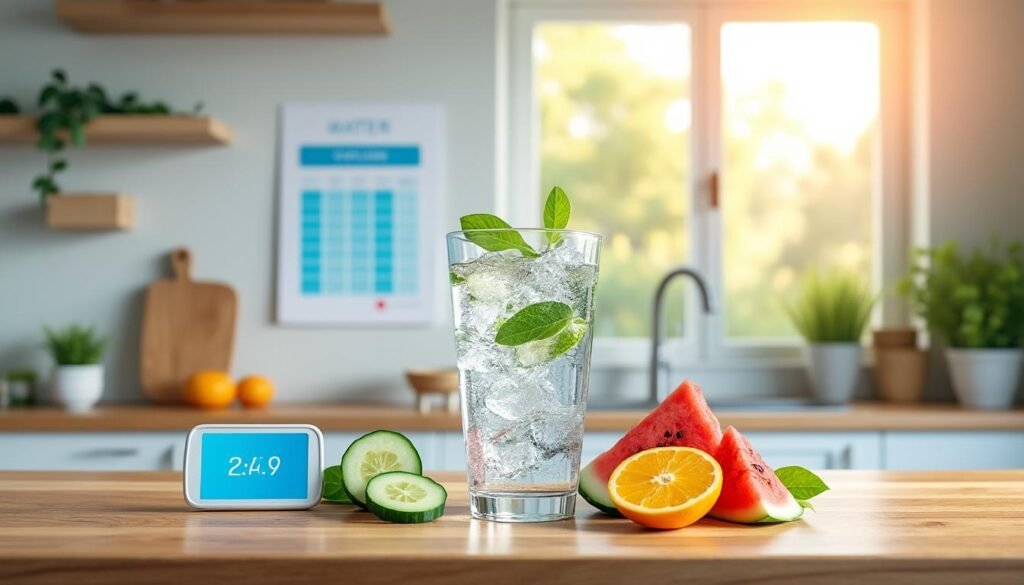
Understanding the precise amount of water one needs daily can be surprisingly complex. With varying advice circulating—from the common eight glasses to individualized formulas based on body weight—the truth often gets lost in the mix. Hydration is not just about quenching thirst; it’s fundamentally intertwined with our body’s performance, cognitive function, and even skin health. As a physician, I emphasize comprehension of hydration’s nuanced role. Around 2025, advances in hydration science stress that daily water requirements pivot on age, sex, activity level, environment, and health status. Such personalized intake ensures optimal bodily functions and prevents complications like dehydration or, conversely, overhydration. Whether sipping on branded options such as Evian, Nestle Pure Life, or opting for filtration solutions like Brita, Hydro Flask, CamelBak, or Nalgene, the goal remains consistent: support your body’s needs thoughtfully and effectively.
Determining Your Daily Water Intake Needs Based on Key Factors
Water consumption is not a one-size-fits-all equation. The U.S. National Academies of Sciences, Engineering, and Medicine offers foundational guidelines recommending about 11.5 cups (2.7 liters or 91 ounces) of fluids daily for women and 15.5 cups (3.7 liters or 125 ounces) for men. These volumes encompass all fluids—water, beverages, and moisture from foods like juicy fruits and fresh vegetables, contributing approximately 20% to daily hydration.
Yet, factors such as intense physical activity, residing in warmer climates, or certain health conditions dramatically alter these needs. For instance, athletes might lose between 1 to 3 liters of fluid every hour during rigorous exercise, necessitating increased intake. To better tailor hydration, using online hydration calculators and paying attention to bodily cues like thirst and urine color become indispensable.
- Consider age and sex to individualize consumption quantities.
- Adjust for activity levels, especially when exercising intensely.
- Account for climate, with higher demand in hot or high-altitude regions.
- Incorporate moisture-rich foods alongside regular drinking habits.
- Track intake using apps or journals to maintain consistent hydration.
For those seeking expert insights on hydration guidelines, reliable sources such as WebMD and Geisinger Health System provide comprehensive information.


Choosing the Right Sources and Containers for Hydration
Minimal exposure to plastic waste and maintaining water purity often guide choices among brands like Dasani, Aquafina, or the naturally mineral-rich Fiji Water. Additionally, practical tools like Brita filters not only improve taste but also filter impurities, supporting sustained hydration. Durable containers such as Nalgene and insulated flasks from Hydro Flask or reusable CamelBak bottles are favored for their portability and maintenance of water temperature, essential for busy lifestyles aiming for optimal hydration habits.
The Vital Health Benefits of Staying Adequately Hydrated
Water’s role in supporting our body spans far beyond thirst. Maintaining sufficient hydration is directly linked to physical performance, brain function, digestive health, and skin vitality. Here’s how meaningfully each component benefits:
- Enhanced Physical Performance: Even marginal dehydration impairs endurance and muscle function, affecting athletes and routine exercisers alike.
- Sharper Cognitive Abilities: Mild dehydration has been shown to reduce mood stability, memory capacities, and concentration levels.
- Efficient Digestion: Hydration aids nutrient absorption and prevents issues such as constipation.
- Radiant Skin Health: Water supports skin cell plumpness and toxin elimination, contributing to a fresh and resilient complexion.
These essentials are discussed in greater detail on platforms like GoodRx and Medical News Today. With a healthier lifestyle routinely recommended by health experts, hydration stands paramount among all wellness strategies.
Simple yet Effective Tips to Increase Your Daily Water Intake
Establishing easy-to-follow habits dramatically enhances hydration status and overall well-being. Strategies include:
- Adding natural flavors such as lemon, cucumber, or mint to water for enjoyable taste without added sugars.
- Freezing infused liquids into ice cubes for a refreshing twist to beverages.
- Carrying reusable water bottles consistently, encouraging steady sipping throughout the day.
- Integrating water-rich foods such as watermelon, strawberries, and cucumbers into daily meals and snacks.
- Setting specific hydration goals, like finishing certain volumes by midday, to foster accountability.
Using these tactics supports sustainable hydration routines recommended by experts featured in EatingWell and Cleveland Clinic Health Essentials.