


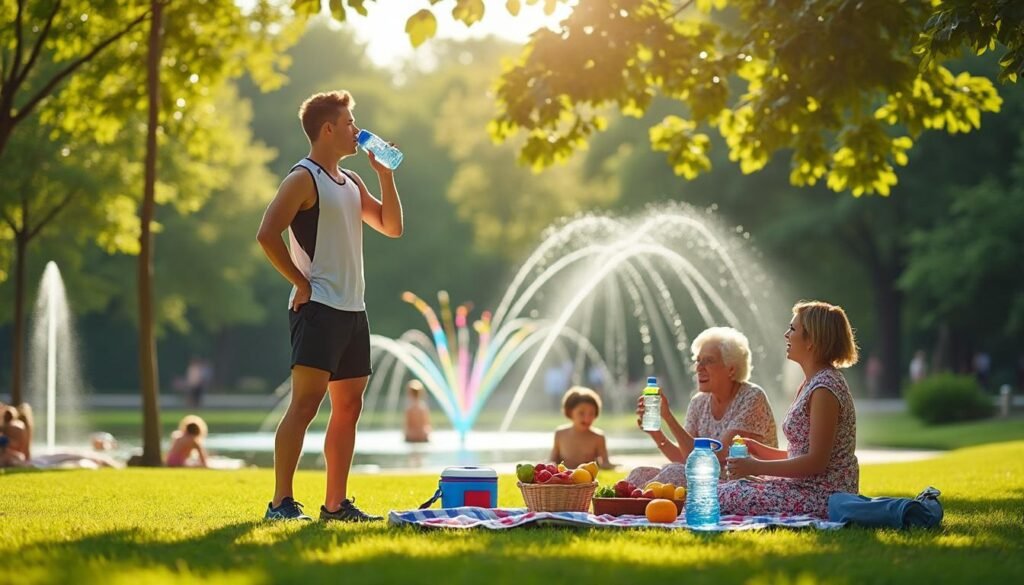
Hydration remains a cornerstone of good health, yet the question “how much water do you really need each day?” is more nuanced than the popular eight-glasses-a-day recommendation. Our hydration requirements vary significantly depending on factors such as age, sex, level of physical activity, and even climate. As we move through 2025, an increasing attention to personalized hydration is evident, with new research highlighting how hydration impacts everything from cardiovascular health to cognitive function.
It’s essential to consider not just water intake via plain drinking water but also fluids derived from foods and other beverages. From the infant’s reliance on breast milk to the extra hydration pregnant and breastfeeding women require, hydration needs change across the lifespan. Meanwhile, athletes and individuals regularly exercising face unique challenges in replenishing fluids lost through sweat, especially in hotter environments. Understanding these diverse needs is critical for maintaining optimal health.
Moreover, advances in hydration technology have led popular brands such as Waterlogic, Brita, and CamelBak to innovate in ways that support better hydration habits, making it easier for individuals to monitor and maintain fluid intake throughout the day. Staying informed and adapting hydration based on your specific lifestyle can make a tangible difference in your well-being.

Understanding Your Daily Water Needs: The Role of Age and Lifestyle
While the rule of thumb suggests eight 8-ounce glasses per day, this is merely a starting point. Hydration needs fluctuate based on several critical factors. For instance, infants under six months generally do not require additional water beyond breast milk or formula. Children between one to five cups per day, complemented by milk, meet their fluid demands, whereas adolescents need around seven to eight cups daily. Adult hydration consumption averages about 15.5 cups (3.7 liters) for males and 11.5 cups (2.7 liters) for females.
Pregnant women, according to the American College of Obstetricians and Gynecologists (ACOG), should consume between 8–12 additional cups daily to accommodate fetal development, while breastfeeding mothers may need up to 16 cups daily.
- Infants 6-12 months: 4 to 8 ounces of water
- Children: 1 to 5 cups of water plus 2-3 cups of milk
- Adolescents: 7 to 8 cups of water
- Adults: 11.5 to 15.5 cups total fluid intake
- Pregnant and breastfeeding women: 8-16 cups, depending on stage
Older adults are often at increased risk of dehydration, warranting an intake of about 13 cups for males and 9 cups for females aged 51 and above, as suggested by the National Academy of Medicine. Tailoring water intake according to these demographic insights can help prevent common complications associated with dehydration, such as urinary tract infections and kidney stones. For more personalized guidance, water intake calculators like those available on GigaCalculator provide useful tools.

How Exercise and Environment Influence Hydration Requirements
Exercise dramatically influences hydration needs by increasing sweat losses, necessitating enhanced fluid intake to maintain performance and prevent heat-related illnesses. The American Council on Exercise recommends drinking:
- 17 to 20 ounces two to three hours before exercise
- 8 ounces 20–30 minutes prior or during warm-up
- 7 to 10 ounces every 10–20 minutes during physical activity
- 8 ounces within 30 minutes post-exercise
For athletes or those engaged in rigorous workouts exceeding 60 to 90 minutes, hydration strategies often include electrolyte-rich sports drinks to replenish both fluids and vital minerals. Hypotonic sports beverages, available from brands like S’well and CamelBak, effectively support hydration with lower sugar and salt content, which can enhance performance.
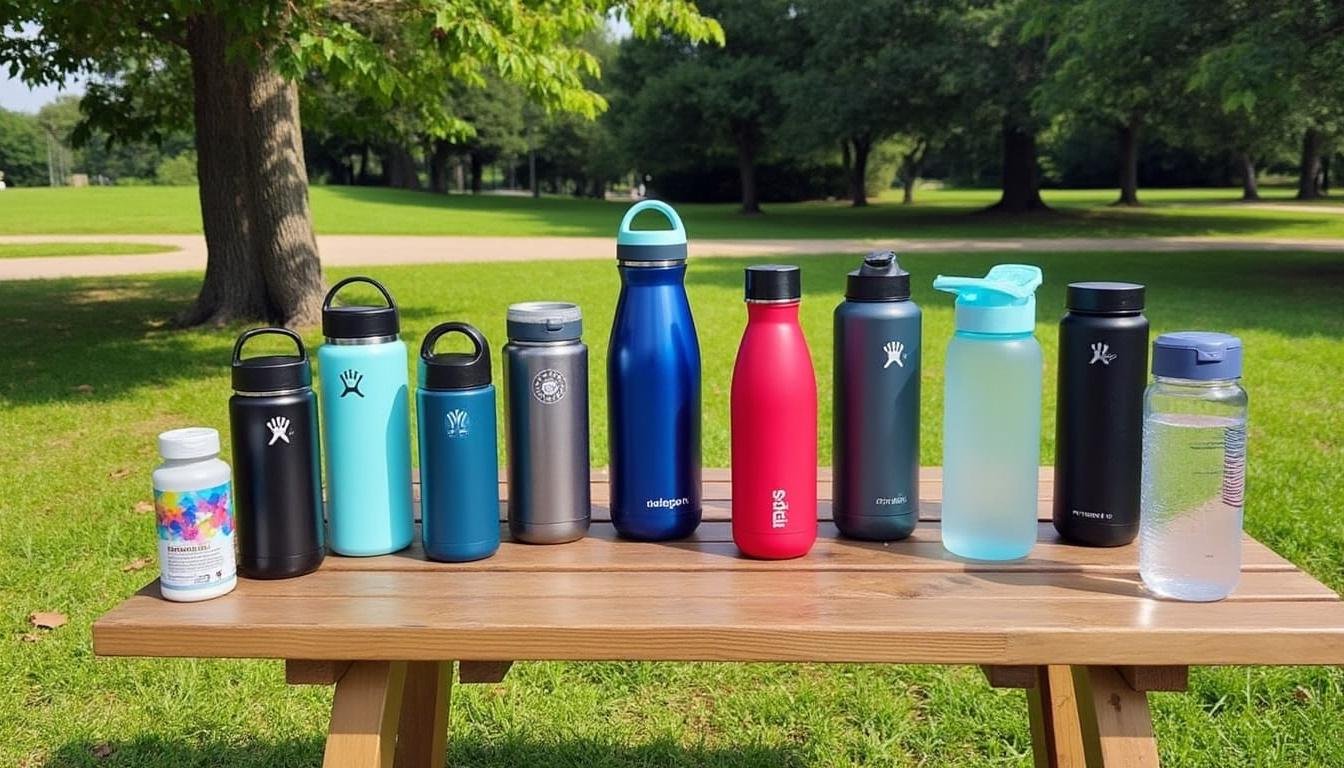
Heat and humidity further complicate water needs. In tropical or dry climates, sweating rates increase, as does the risk of dehydration. Wearing impermeable clothing during exercise also elevates these losses. For individuals highly active in such environments, opting for insulated bottles like LifeStraw or Hydro Flask can help maintain water temperature and promote regular consumption.
Beyond Water: Diverse Sources of Hydration and Preventing Overhydration
Many overlook that hydration comes not only from plain water but also from other beverages and water-rich foods. Coffee, tea, and even sparkling or flavored water can contribute to fluid intake without compromising hydration, contrary to prior beliefs about caffeine’s diuretic effect. Milk, 100% fruit and vegetable juices, and smoothies add nutrients that support overall wellness.
- Low- or no-calorie drinks: plain coffee, tea, sparkling water
- Nutritious beverages: dairy or fortified nondairy milk, 100% juices, smoothies
- Fluids to limit: soda, energy drinks, sugary beverages, and some sports drinks
Though rare, excessive water consumption can cause hyponatremia—a dangerously low sodium concentration in the blood—primarily in athletes or those with certain medical conditions. Patients with thyroid disease, kidney or liver problems, or heart issues should carefully monitor water intake. Medications like NSAIDs or antidepressants may also affect fluid balance, so consulting a healthcare provider is essential.
For a dependable measure of hydration, observe urine color: pale yellow with no strong odor signals adequate hydration, while dark or strong-smelling urine suggests a need to increase fluid intake. Devices from Waterlogic and Brita now provide convenient portable water filtration solutions, encouraging healthier hydration habits regardless of location.