


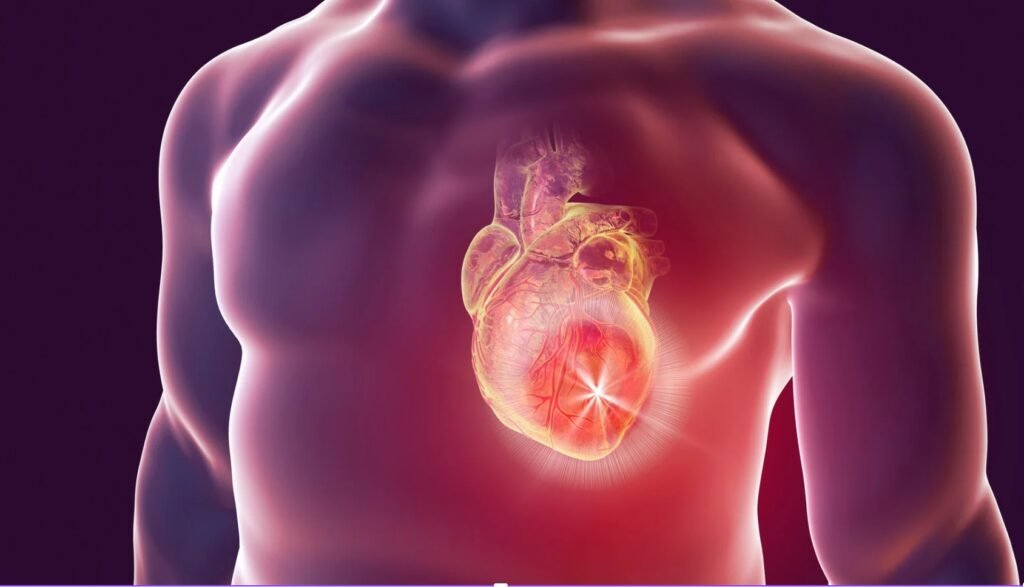
The holiday season is supposed to be joyful—but it’s also a perfect storm for the heart: heavier meals, more salt, more alcohol, less sleep, disrupted routines, travel stress, cold weather in many regions, and emotional triggers like grief or loneliness. For older adults in particular, these factors can raise the odds of a cardiac event right when people are least likely to seek help quickly.
Doctors even have a name for one of the most common holiday-related heart issues: “holiday heart syndrome”—a short-term abnormal heart rhythm (often atrial fibrillation) that can appear after drinking more alcohol than usual, especially when paired with dehydration, stress, and poor sleep. The bigger message is simple: the holidays can stress the heart in more ways than one, and prevention starts with a few realistic guardrails.
Why the holidays raise heart risk (even if you “feel fine”)
Heart attacks and rhythm problems tend to rise during major holidays. Researchers have pointed to a combination of triggers that become more common in late December:
- Heavier, saltier meals that can increase blood pressure and fluid retention
- More alcohol (including “binge” patterns during parties)
- Less sleep and irregular bedtimes
- More stress (family tension, financial pressure, travel, hosting)
- Delaying medical care (“I’ll deal with it after the holidays”)
- Emotional strain (grief, loneliness, isolation, depression)
Individually, these may seem manageable. Together, they can push the cardiovascular system into a danger zone—especially for adults over 70, people with diabetes, high blood pressure, high cholesterol, a history of heart disease, or prior stroke.
What “holiday heart syndrome” really means
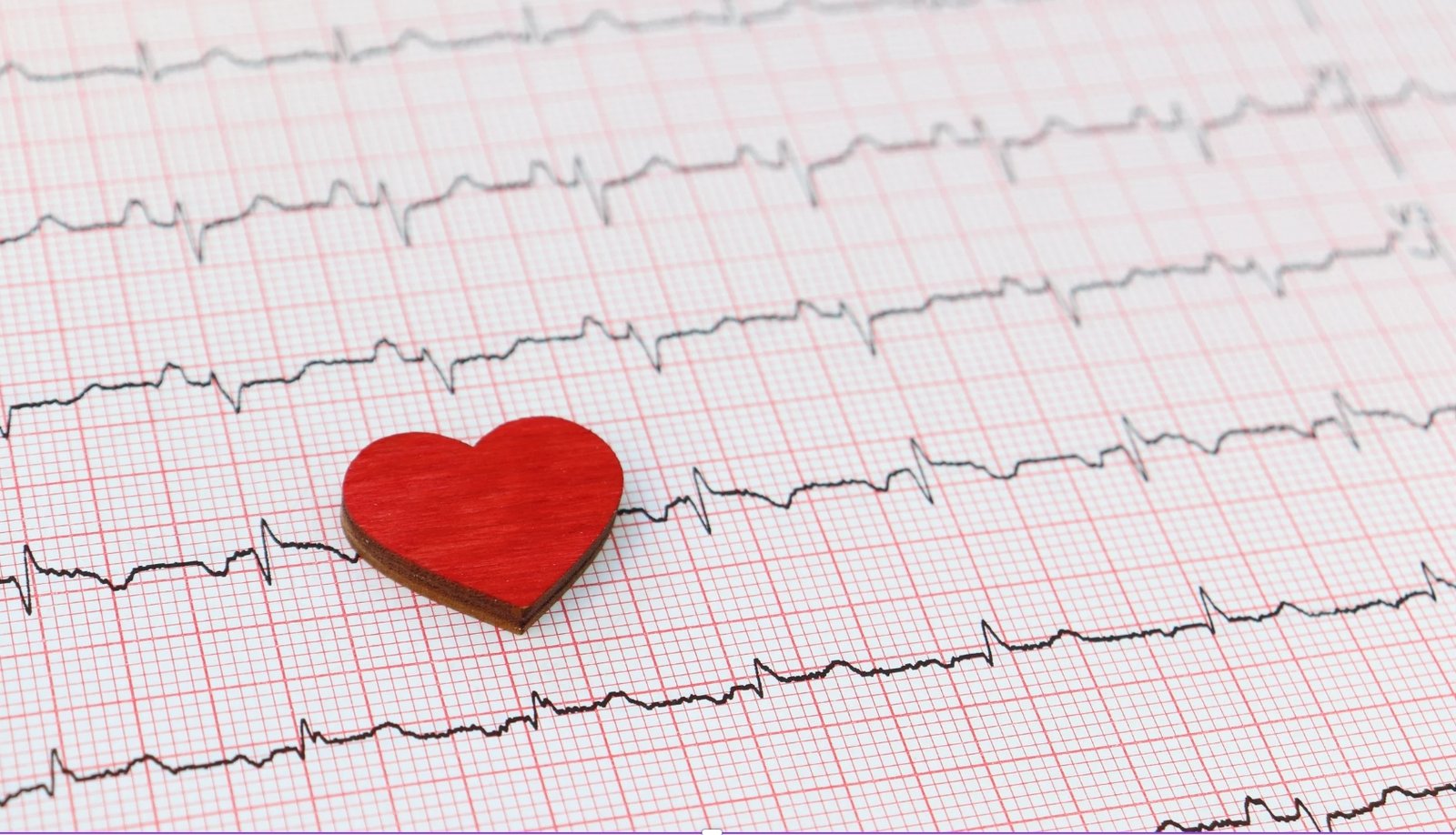

Holiday heart syndrome is usually used to describe an abnormal heart rhythm that shows up after heavier-than-usual alcohol intake—often around weekends or holidays. The rhythm change most commonly discussed is atrial fibrillation (AFib), which can feel like a fluttering heartbeat, pounding in the chest, or an “off” rhythm that comes and goes.
Common symptoms can include:
- Fast, irregular heartbeat or palpitations
- Shortness of breath
- Chest discomfort
- Weakness, dizziness, or unusual fatigue
- Anxiety or a sense that “something isn’t right”
Why it matters for seniors: AFib can raise the risk of stroke—so any new or persistent irregular rhythm deserves prompt medical attention.
Heart attack symptoms can be subtle in older adults
Many people expect a heart attack to feel like dramatic chest pain. In reality—especially in older adults—symptoms can be less obvious.
| Classic symptom | Often-missed (but common) symptoms in seniors |
|---|---|
| Chest pressure, squeezing, or pain | Deep fatigue, weakness, lightheadedness, nausea |
| Pain that spreads to the arm/shoulder | Jaw, neck, back, or upper-stomach discomfort |
| Shortness of breath | “Flu-like” feeling, cold sweats, sudden decline in stamina |
Do not wait it out. If symptoms are new, intense, or worsening—especially chest pressure, shortness of breath, fainting, or unusual sweating—seek emergency care immediately.
The holiday heart safety plan (senior-friendly and realistic)
You don’t need a perfect diet or a “New Year’s boot camp.” You need simple rules you can actually follow—especially during busy weeks.
1) Eat for enjoyment, not overload
- Use the “half plate” rule: fill half your plate with vegetables/salad first.
- Watch salt-heavy favorites: cured meats, cheeses, sauces, soups, gravies, chips.
- Choose one “star” indulgence: dessert OR extra bread OR rich sides—enjoy it fully, then stop.
- Don’t arrive starving: have a protein snack beforehand (Greek yogurt, egg, handful of nuts, cheese + fruit).
2) Alcohol: keep it moderate (or skip it)
- If you drink, aim for moderation and avoid “saving up drinks” for one night.
- Alternate: one alcoholic drink → one full glass of water.
- If you’ve had AFib before—or you notice palpitations after alcohol—consider going alcohol-free during the holidays.
3) Protect sleep like it’s medicine
- Try to keep bedtime and wake time within a 1-hour window, even on weekends.
- Avoid large meals and alcohol close to bedtime.
- If you’re traveling, prioritize sleep on the first night (it reduces stress load the next day).
4) Move a little every day (even 10 minutes helps)
- A short walk after meals can reduce blood sugar spikes and support digestion.
- If weather is bad, do “indoor laps” at home or gentle chair-based exercises.
- Consistency beats intensity—especially for seniors.
5) Don’t delay care “until January”
- If you have chest pressure, shortness of breath, fainting, sudden weakness, or a new irregular heartbeat—get evaluated.
- If you’ve been postponing a checkup, medication refill, or blood pressure follow-up, book it now. Delays can turn manageable issues into emergencies.
Stress, loneliness, and grief: the invisible triggers
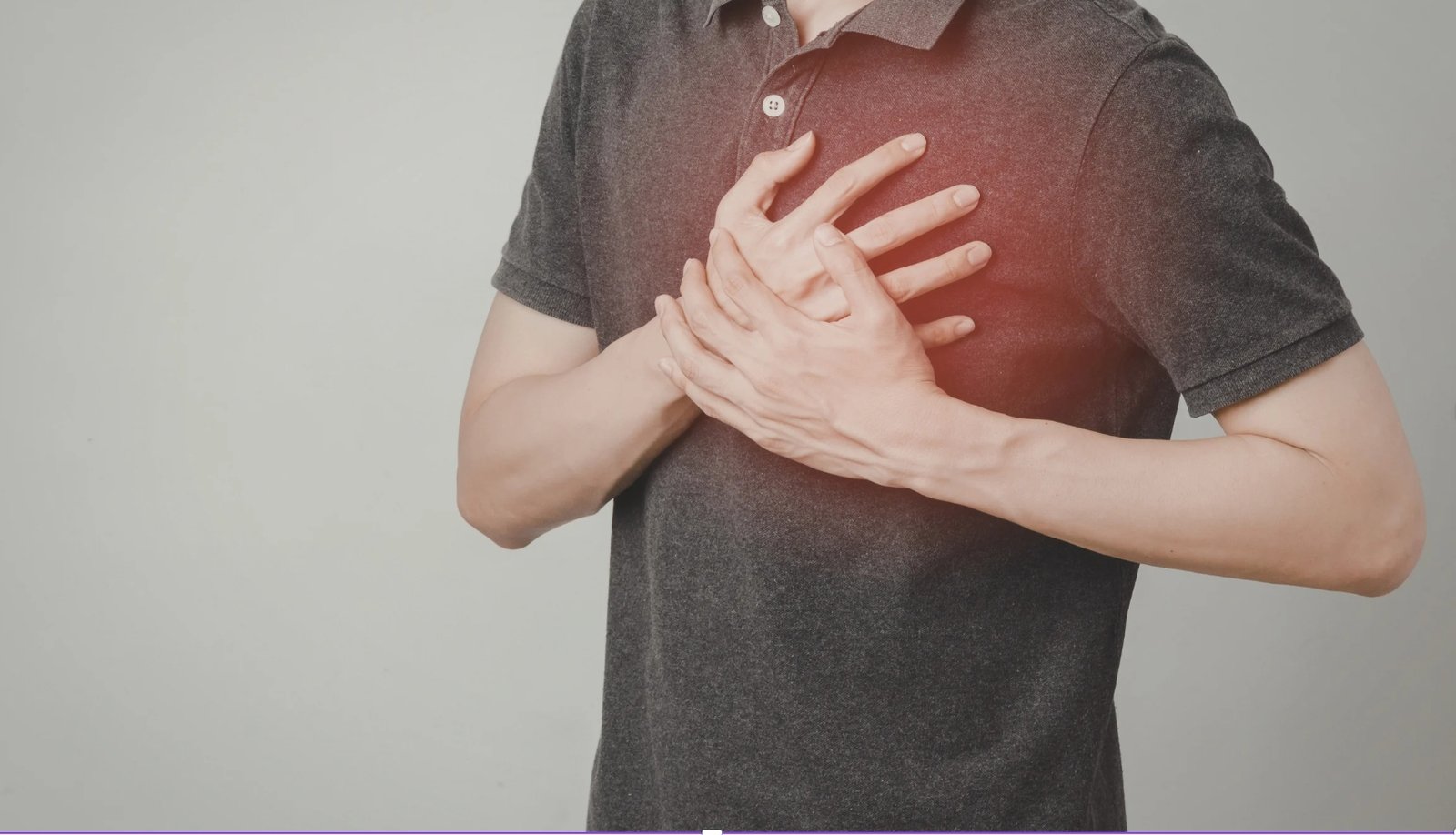
Not all holiday heart risk comes from food and drink. Emotional strain can raise blood pressure, disrupt sleep, and increase inflammation. For many older adults, the holidays can amplify loneliness—especially after bereavement or major life changes.
If the season feels heavy, try one of these “low-effort supports”:
- Schedule a daily call with a friend or family member (10 minutes is enough).
- Attend one community event (library, faith group, senior center, local volunteer shift).
- Build a calming routine: a short walk, warm shower, breathing exercise, or guided meditation.
- Tell your doctor if sadness, anxiety, or insomnia is worsening—mental health is heart health.
When to call 911 (don’t drive yourself)
Call 911 right away if you or someone near you has:
- Chest pain or pressure that lasts more than a few minutes or keeps returning
- Shortness of breath, fainting, or severe dizziness
- Sudden weakness, confusion, or trouble speaking
- New, intense sweating, nausea, or a “doom” feeling with other symptoms
This article is for education and is not a substitute for medical advice. If you feel unsafe or symptoms are severe, seek emergency care.