


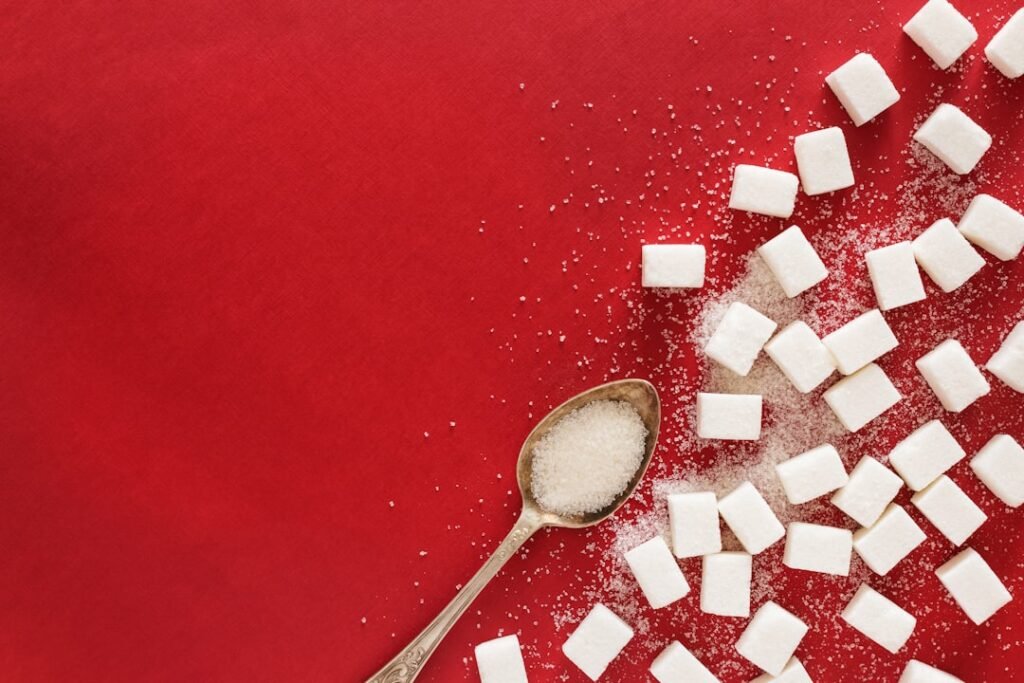
Imagine your daily afternoon ritual as the sun gently lowers in the sky. You sit down with a crisp, refreshing diet beverage, believing you are making a highly responsible choice for your body. For decades, eliminating sugar in favor of zero-calorie alternatives felt like the ultimate health hack for aging gracefully. However, as we navigate the complex nutritional landscape of 2026, a quiet storm is gathering around these seemingly innocent daily habits.
Emerging neurological studies paint a fascinating yet concerning picture of what happens inside our minds when we trick our taste buds with synthetic sweetness. Researchers have recently discovered that our reliance on common sugar substitutes might be silently accelerating the aging process of our brains. By trading natural foods for highly processed alternatives, we could be inadvertently trading away our precious cognitive longevity.
Studies indicate that individuals consuming high amounts of these chemical additives experience a decline comparable to adding over a year and a half of extra aging to their brains. This revelation forces us to rethink our entire approach to daily indulgence and hydration. Let us explore the hidden neurological toll of these modern additives and uncover what true brain-healthy nourishment looks like today.
In brief:
– High consumption of six specific artificial sweeteners accelerates cognitive decline by a staggering 62 percent.
– This accelerated mental deterioration is equivalent to approximately 1.6 years of additional brain aging.
– The neurological impact is particularly severe for adults under the age of sixty and those managing diabetes.
– Substituting artificial additives with added simple sugars is equally harmful, making whole foods the optimal choice for longevity.
The Hidden Timeline of Cognitive Decline and Synthetic Sweetness
Consider Arthur, a sixty-eight-year-old retired architect who swapped all his sugary sodas for diet versions over a decade ago. He genuinely thought he was outsmarting his metabolism and protecting his long-term health from the ravages of sugar. Yet, an expansive eight-year observational study involving over twelve thousand adults has revealed an uncomfortable truth about this common dietary strategy. The research directly linked greater intake of six specific sugar substitutes to rapidly deteriorating cognitive outcomes.
These pervasive additives, which include aspartame, saccharin, acesulfame K, erythritol, sorbitol, and xylitol, are completely ubiquitous in our modern food supply. Participants consuming the highest levels of these substances exhibited a markedly quickened pace of cognitive decline. This alarming deterioration was measured at a 62 percent faster rate compared to those who completely avoided such synthetic ingredients.
In practical terms, this acceleration translates to approximately 1.6 years of extra cognitive aging for the brain. Navigating the updated artificial sweetener guidelines is absolutely essential for anyone looking to fiercely protect their memory. For seniors and middle-aged adults alike, understanding these numbers is the crucial first step toward preserving lifelong mental sharpness.
Vulnerability Factors in Older Adults and Diabetic Profiles
The relationship between swift cognitive decline and these additives appears especially prominent among very specific biological profiles. Individuals under the age of sixty showed remarkably steep drops in verbal fluency and overall cognitive capability. However, this trend remains deeply concerning for older demographics, particularly those actively navigating complex metabolic challenges.
Many older adults rely heavily on these zero-calorie options to diligently control their daily blood sugar levels. Unfortunately, diabetes itself already poses a heightened baseline risk for memory-related neurological issues. The correlation between brain aging and sugar substitutes is notably stronger in individuals with diabetes, creating a tragic double-edged sword for their cognitive health.
Medical experts stress that these additives may simply not be the safe metabolic alternatives we once assumed they were. True preventive care requires a holistic view of how artificial ingredients dynamically interact with our delicate neurological pathways. Finding natural dietary balance is crucial for maintaining vibrant mental clarity as the years inevitably pass.
Decoding the Neurological Impact of Sugar Substitutes
To truly understand why these diet products steal years from our minds, we must look far beyond the simple calorie count on the label. Artificial sweeteners serve as glaring indicators of ultra-processed foods, which have completely infiltrated the modern western diet. Even well-meaning individuals who believe they adhere to brain-healthy eating patterns often fall victim to these cleverly hidden synthetic ingredients.
Extensive research indicates that frequent consumption alters the delicate gut microbiome in profound and damaging ways. These fundamental digestive changes can quickly lead to glucose intolerance and trigger rampant systemic inflammation throughout the body. When the gut environment is compromised, the brain inevitably suffers the heavy neurological consequences.
Neurology experts passionately explain that such internal alterations are closely associated with poorer brain function and vastly increased oxidative stress. The ensuing neuroinflammation acts like a slow-burning fire, gradually wearing down our irreplaceable cognitive reserves. Protecting our neural networks means addressing this silent inflammation directly at its dietary source.
Navigating Gut Microbiome Alterations and Brain Health
Our complex digestive tract acts essentially as a second brain, constantly communicating with our primary neurological centers. When synthetic chemicals aggressively disrupt this delicate internal ecosystem, the resulting bacterial imbalance sends distress signals directly to our cognitive functions. This biological disruption makes it incredibly difficult for our aging minds to perform optimally under daily stress.
The dangerous shift from a healthy, thriving gut flora to a chronically inflamed state happens quite subtly over years of consuming diet products. Reversing this insidious trend requires a conscious, dedicated effort to systematically eliminate ultra-processed triggers from our pantries. A highly mindful approach to daily eating can miraculously restore this vital biological connection.
| Dietary Component | Neurological Impact Profile | Recommended Daily Action |
|---|---|---|
| Aspartame & Saccharin | Accelerates cognitive aging by up to 1.6 years | Eliminate or strictly limit habitual intake |
| Added Simple Sugars | Increases risk of dementia and systemic inflammation | Avoid substituting diet drinks with regular soda |
| Unprocessed Whole Foods | Supports neuroplasticity and stable gut microbiome | Incorporate as the absolute foundation of nutrition |
Strategies For Protecting Cognitive Function Today
Abandoning your favorite diet drink absolutely does not mean you should revert to old, sugar-laden habits from the past. Simple sugars, such as the fructose and sucrose commonly found in many beverages and desserts, carry their own severe, well-documented risks for dementia. Choosing regular soda instead of artificially sweetened drinks simply trades one neurological hazard for another equally dangerous one.
Excessive daily consumption of added sugars predictably leads to heart disease, clinical obesity, and type 2 diabetes, all of which severely compromise brain health. The most effective strategy is to bravely step away from the false dichotomy of “sugar versus fake sugar.” When you are maintaining healthy habits throughout the year, prioritizing pure hydration through natural sources is absolutely paramount.
Leading nutritionists routinely advise that moderation is key, but avoiding ultra-processed options entirely offers the best possible long-term strategy. Replacing these synthetic additives with unprocessed or minimally processed foods provides your aging brain with the genuine, unadulterated nourishment it deeply craves. By making these thoughtful mindful adjustments, you actively empower your mind to age with magnificent grace, clarity, and enduring strength.