


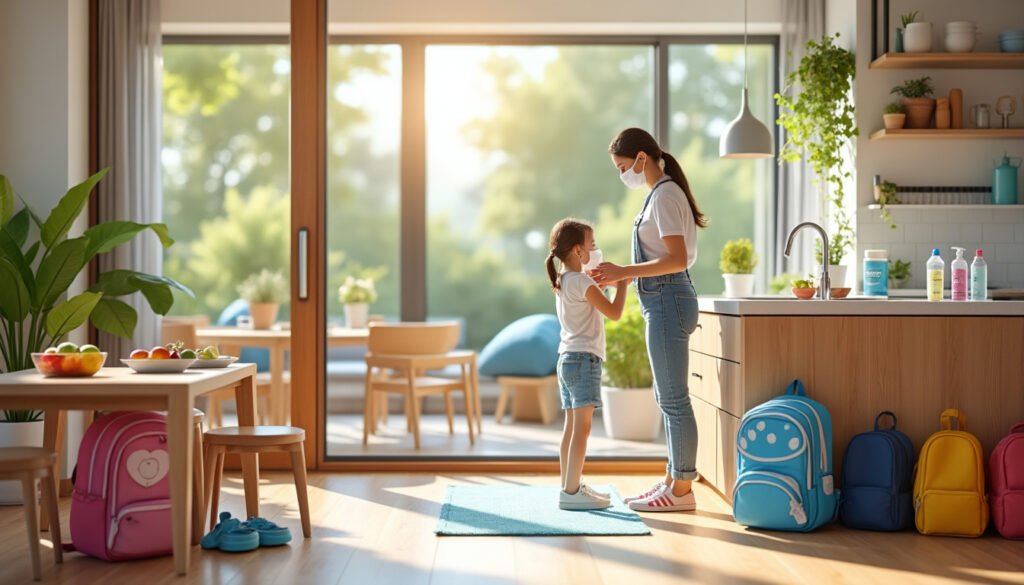
Understanding the Impact of School Germs on Household Health
Every year as the school bell rings for a new academic year, parents and guardians face a familiar concern: the influx of germs into the home. Schools, bustling with activity and close contact among children, serve as hotspots for bacteria and viruses. These pathogens not only affect children but pose a significant risk to adults, especially older family members whose immune defenses may be weaker.
Dr. Timothy Quinn from Quinn Healthcare highlights how schools become breeding grounds for germs and emphasizes the ripple effect when children bring these illnesses home. Children might quickly recover from a common viral or bacterial infection due to their robust immune systems, but adults, particularly grandparents, can experience prolonged or more severe symptoms. This difference makes it essential to focus on protecting the entire household environment once school sessions begin.
For instance, a child might catch the flu or a common cold at school, then inadvertently transmit it to a grandparent. The grandparent’s weakened immunity can lead to complications, leading to serious health concerns. Understanding this dynamic can motivate families to implement preventative health tips that reduce transmission and safeguard wellbeing.
The role of hygiene at home cannot be overstated. Establishing routines like frequent handwashing, surface cleaning, and awareness around vaccination ensures that the home remains a safe haven from these ubiquitous school germs. As families prepare for the school year, they should recognize that preventing illness begins at home with conscientious health strategies.


The Importance of Routine Hand Hygiene in Germ Prevention
Hand hygiene stands as the frontline defense in combating the spread of germs between school and home. Children, due to their interactive behaviors and less awareness, frequently touch shared surfaces such as desks, doorknobs, and lunch tables — all prime zones where bacteria and viruses accumulate.
Teaching children the proper technique of handwashing can dramatically reduce germ transmission. This routine involves scrubbing hands with soap and water for at least 20 seconds, reaching all parts of the hands including between fingers and beneath nails. Pediatric experts stress that this simple act performed multiple times daily, especially upon returning from school, before and after meals, and after sneezing or coughing, is crucial.
Moreover, if immediate access to soap and water is unavailable, alcohol-based hand sanitizers with at least 60% alcohol content serve as effective substitutes. However, they complement but do not replace traditional washing because soap physically removes germs rather than just killing them.
Schools and parents can collaborate by incorporating hygiene education into daily practices, helping normalize these habits for children. A study referenced in practical tips to reduce illness this school year showed that consistent hand hygiene leads to significantly lower absenteeism due to illness, proving the powerful ripple effect of this habit on public health.
Effective Cleaning and Disinfection Strategies to Limit Germ Spread at Home
Beyond hand hygiene, maintaining a clean home acts as a primary barrier guarding against the invasion of germs from school environments. High-touch surfaces such as kitchen counters, bathroom faucets, light switches, and electronic devices often harbor pathogens that can infect family members.
Cleaning involves physically removing dirt and debris with detergent and water, while disinfection utilizes chemicals to kill viruses and bacteria. Recent research by the CDC underscores that regular cleaning reduces the presence of germs, but disinfection is especially important when someone in the home is ill.
Establishing daily or weekly cleaning schedules focusing on these high-risk areas can break the chain of transmission. Using EPA-registered disinfectants or natural cleaning solutions geared towards child safety ensures both efficacy and minimal exposure to harmful chemicals.
For example, wiping down shared items such as lunch boxes, backpacks, and even shoes after returning home can help stop germs from settling in living spaces. Parents are encouraged to use a checklist to ensure all critical zones receive attention, particularly during peak illness seasons like fall and winter.
A guide from authoritative sources like when and how to clean and disinfect your home provides valuable insights into selecting appropriate cleaning agents and timelines for disinfection, helping families create effective schedules.
Natural Cleaning Alternatives to Safeguard Children’s Health
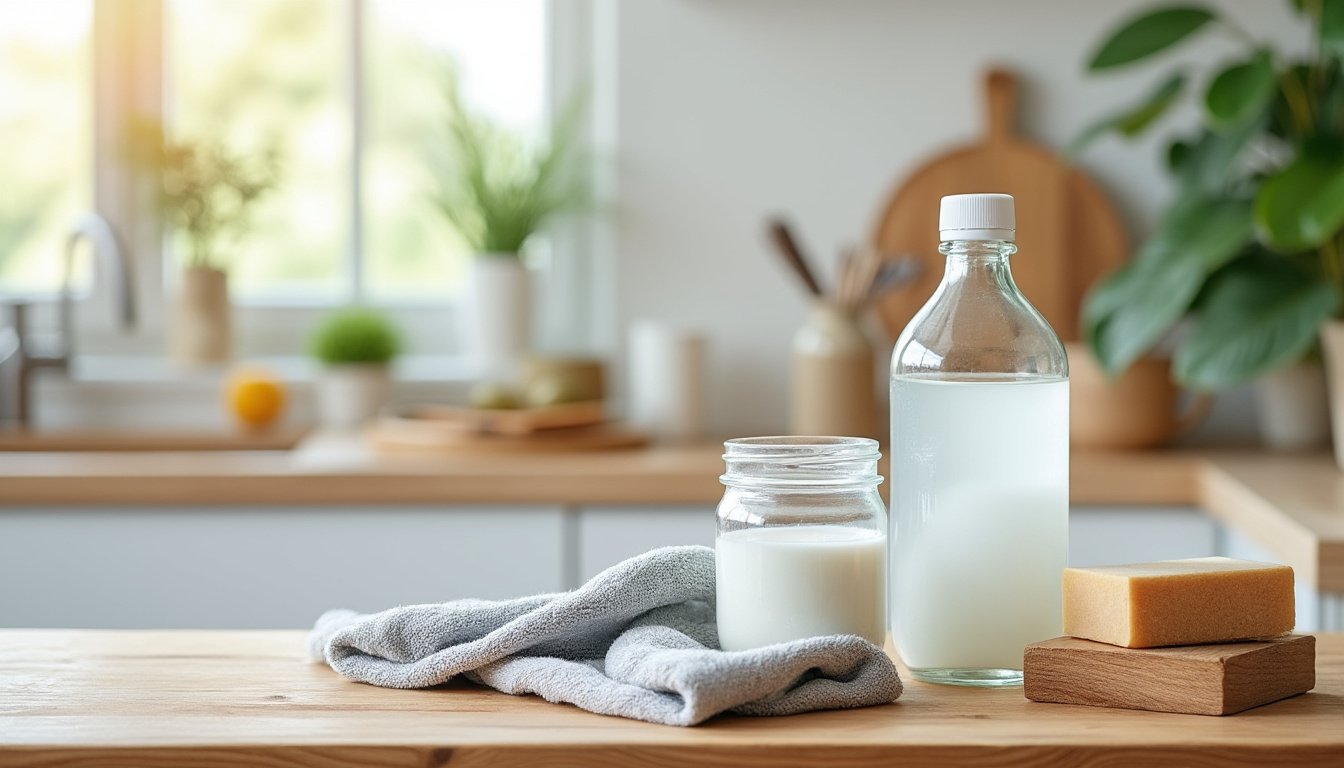
Parents concerned about chemical exposure increasingly turn to non-toxic alternatives for cleaning, especially in homes with young children. Natural agents such as vinegar, baking soda, and essential oils have shown effectiveness in reducing bacterial loads without the harsh side effects of conventional cleaners.
For example, vinegar mixed with water provides an excellent surface cleaner and mild disinfectant. While it does not have the same virucidal capacity as bleach or commercial disinfectants, when combined with thorough physical cleaning, it contributes to a safer environment with fewer chemical residues.
Additionally, using essential oils like tea tree or eucalyptus offers antimicrobial properties and pleasant aromas that encourage routine cleaning. Parents should balance these natural methods with evidence-based approaches dictated by current health guidelines to ensure comprehensive protection.
Such natural cleaning habits also encourage children to engage in family hygiene routines, fostering early awareness and responsibility concerning their health. Incorporating these practices at home supports the larger goal of reducing the overall burden of school-acquired infections.
Vaccinations and Health Monitoring: Shielding Families from School-Related Illnesses
Vaccinations represent a cornerstone in the prevention of infectious diseases commonly spread in school settings. Shots like the annual influenza vaccine and the latest COVID-19 vaccines are vital in building immunity across age groups, from children to seniors.
Health professionals advise that all family members should stay up to date with their vaccinations before school begins. This proactive measure can minimize the severity and spread of illnesses, particularly protecting vulnerable populations in the household.
Beyond immunizations, attentiveness to early symptoms in children and adults increases the chances of timely interventions. Recognizing signs such as persistent coughs, fevers, or unusual fatigue enables families to isolate affected individuals, seek medical advice, and prevent further transmission.
Dr. Quinn emphasizes the role of “washing the day off” each evening, meaning establishing routines like changing clothes and washing hands to cleanse away any lingering contaminants. These small but impactful steps complement vaccination strategies to create multi-layered defense against illness.
Sources like vaccination and illness prevention guides offer caregivers detailed recommendations and reminders, aligning with the latest health protocols for comprehensive family protection during the school season.
Creating a Home Environment that Supports Ongoing Health and Hygiene
Sustaining a healthy home goes beyond immediate germ prevention. It involves cultivating habits and environments conducive to long-term wellness, especially as children engage with communal spaces like schools.
A key element is educating children about personal responsibility related to health and hygiene. Teaching them to cover coughs and sneezes, avoid sharing personal items, and practice hand hygiene builds life-long habits. Parents can model these behaviors and involve children in daily cleaning routines, reinforcing the importance of collective effort.
Additionally, ensuring good indoor air quality through ventilation reduces airborne transmission of illnesses. Regularly opening windows, using air purifiers, and maintaining HVAC systems contribute to a safer atmosphere.
Nutritional support also strengthens immune capacity. Balanced diets rich in vitamins, minerals, and hydration enhance the body’s ability to resist infections and recover more rapidly from illness. Families can plan meals with fresh fruits, vegetables, and adequate protein to bolster their defenses during the demanding school year.
Integrating these components creates a holistic approach. As noted in seven tips to keep your family healthy during back-to-school season, combining hygiene, nutrition, cleaning, and vaccination forms a comprehensive shield that effectively reduces the intrusion of common school germs into homes.
- Establish daily handwashing routines for the entire family
- Disinfect frequently touched surfaces regularly
- Keep vaccinations current for all family members
- Use natural cleaning agents when possible to reduce chemical exposure
- Encourage good nutrition to enhance immune health
- Maintain proper ventilation to minimize airborne germs
- Educate children on hygienic behaviors and personal responsibility
What are the best ways to prevent school germs from entering the home?
Regular handwashing, disinfecting shared surfaces, keeping vaccinations up to date, and teaching children proper hygiene are among the most effective strategies to minimize germ spread from school to home.
How often should I clean and disinfect my home during the school year?
Cleaning of high-touch surfaces should occur at least once daily, with disinfection done especially when someone in the household is sick. Following guidance from reputable health sources ensures safe and timely cleaning practices.
Can natural cleaning products effectively reduce germs brought home from school?
Yes, while natural products like vinegar and essential oils may not kill all viruses as thoroughly as chemical disinfectants, when combined with thorough cleaning, they contribute significantly to a healthier and safer home environment.
Why is vaccination important for protecting families during the school season?
Vaccinations help build immunity against common infectious diseases, reducing illness severity and transmission risk, especially protecting vulnerable family members like the elderly and young children.
What role does nutrition play in preventing illness from school germs?
Adequate nutrition strengthens the immune system’s ability to fight infections, supporting quicker recovery and reducing vulnerability to germs brought home during the school year.