


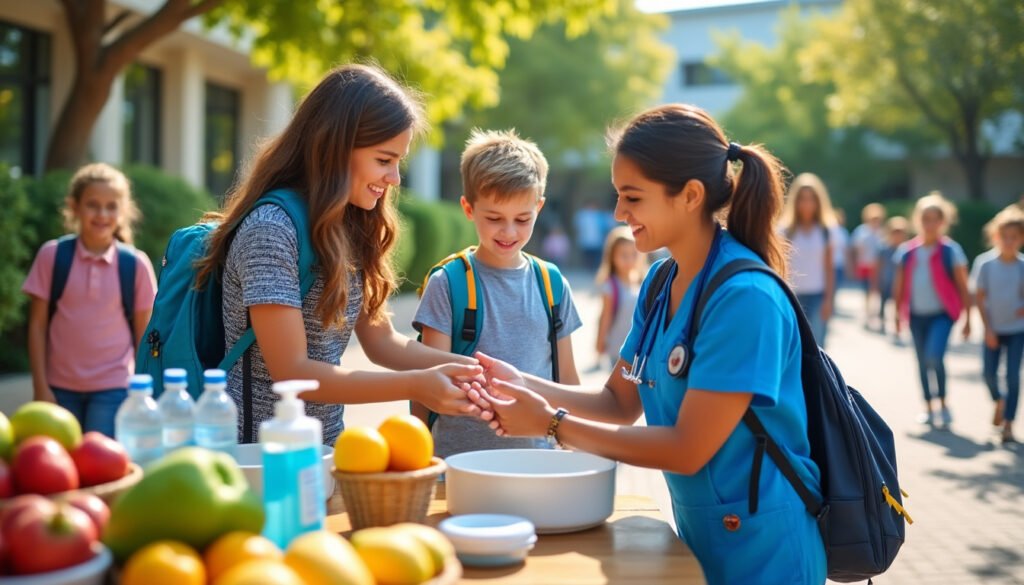
Establishing Healthy Sleep Habits for Enhanced Back-to-School Wellness
Sleep is a cornerstone of good health and an essential factor for academic success during the back-to-school season. Many students experience disrupted sleep patterns due to new schedules, social activities, and academic pressures. Pediatrician Dr. Natalie Vogel emphasizes the importance of prioritizing enough sleep as one of the five key areas families should focus on to keep children healthy and ready to learn throughout the year.
Getting consistent and restful sleep not only supports memory retention and concentration but also boosts immunity, a critical consideration as children return to interact in close classroom settings. For example, a student who sleeps fewer than 7-8 hours may experience reduced alertness and a weakened ability to cope with everyday stresses, which can hinder learning progress and increase susceptibility to common infections.
Parents can support healthy sleep routines by establishing regular bedtimes and calming pre-sleep rituals. These could include turning off screens at least an hour before bedtime, reading a book, or listening to soothing music. Avoiding caffeine and heavy meals late in the evening also promotes deeper sleep cycles. Studies suggest that even slight improvements in sleep quality can dramatically affect daytime performance and mood.
Moreover, aligning sleep schedules to accommodate early school starts requires gradual adjustments days to weeks before school resumes. Encouraging children to wake slightly earlier each day can reset their internal clocks. Dr. Vogel advises that a predictable, structured sleep routine reduces anxiety about the transition back to school, enabling children to start the day energized and focused.
Parents should also observe children’s sleep quality and daytime behavior, as signs of chronic fatigue or excessive irritability may indicate underlying sleep disorders or stress. Seeking professional guidance for persistent issues ensures children receive the necessary support for their wellness.
In 2026, with increased awareness around mental health, the link between sufficient sleep and emotional stability has gained attention. Adequate rest helps regulate mood and cognitive functions, reducing anxiety and depression risks that can arise during transitional periods like back-to-school. Thus, sleep is not just about physical health but forms a vital part of nurturing a child’s mental resilience during the new academic year.


Nutrition Strategies to Support Immunity and Energy During the School Year
Nutrition plays a fundamental role in maintaining energy levels, boosting immunity, and fostering overall wellness throughout the demanding back-to-school season. A balanced diet rich in vitamins, minerals, and macronutrients equips children and adolescents to tackle school challenges with stamina and sharp focus.
Dr. Natalie Vogel highlights how providing regular, nutritious meals can prevent energy slumps and support immune defenses against common germs encountered in school environments. Incorporating fresh fruits and vegetables, whole grains, lean proteins, and healthy fats into daily meals ensures essential nutrients are available to sustain brain function and physical activity.
For instance, meals high in vitamin C and zinc can enhance the immune system, helping children resist colds and infections frequent during school months. Equally, complex carbohydrates provide long-lasting energy without spikes and crashes that sugary snacks often cause.
Parents should also focus on hydration as a vital but sometimes overlooked aspect of nutrition. Adequate water intake helps maintain cognitive performance and physical endurance. Children are often too busy to remember to drink enough fluids, so setting reminders or providing water bottles can effectively improve hydration throughout the day.
Meal preparation for school lunches can incorporate these health tips by offering colorful salads, whole grain sandwiches with lean meats or plant-based proteins, and nutritious snacks like nuts, yogurt, or fresh fruit. Avoiding heavily processed foods and excessive sugars reduces the risk of mood swings and fatigue.
Navigating food allergies and sensitivities is another critical area parents need to address. Open communication with school personnel and clear labeling of food items help keep children safe and comfortable in their learning environment. In 2026, the focus on inclusive nutrition guides families in creating allergy-friendly yet flavorful meal plans to keep energy high and anxiety low.
To explore more nutrition strategies for a healthy return to school, families can consult expert sources such as expert tips for a healthy back-to-school season. These resources offer practical advice tailored to diverse dietary needs ensuring children thrive academically and physically throughout the year.
Encouraging Regular Exercise and Physical Activity for Student Wellness
Physical activity is vital for sustaining mental health, managing stress, and improving concentration during the back-to-school period. As students transition from the leisurely pace of summer to more structured school days, incorporating exercise can enhance both mood and physical stamina.
Exercise increases blood flow to the brain, which helps with memory, creativity, and problem-solving—skills indispensable for school success. Additionally, regular physical activity promotes endorphin release, the body’s natural mood boosters, which can alleviate anxiety and depression symptoms common in school-age children facing new environments and expectations.
Families should encourage at least 60 minutes of moderate to vigorous activity daily, which can include organized sports, dance, cycling, or even lively play. For busy school days, even short bursts of movement, such as walking or stretching during breaks, contribute to improved focus and reduced tension.
Community programs and school sports teams present excellent opportunities for children to stay active while socializing, building self-esteem, and learning teamwork. For example, joining a soccer league or a dance class after school can provide structure and joyful activity that supports wellness beyond academics.
In 2026, many schools are also emphasizing mindfulness combined with physical exercise, integrating yoga or tai chi sessions to help children develop awareness and emotional balance. This holistic approach helps students harness both their mental and bodily health, paving the way for more resilient back-to-school experiences.
Parents interested in detailed exercise routines and practical tips for supporting their child’s activity levels can visit resources like 8 tips for a healthy back-to-school, which provide holistic guidance to optimize student health and happiness.
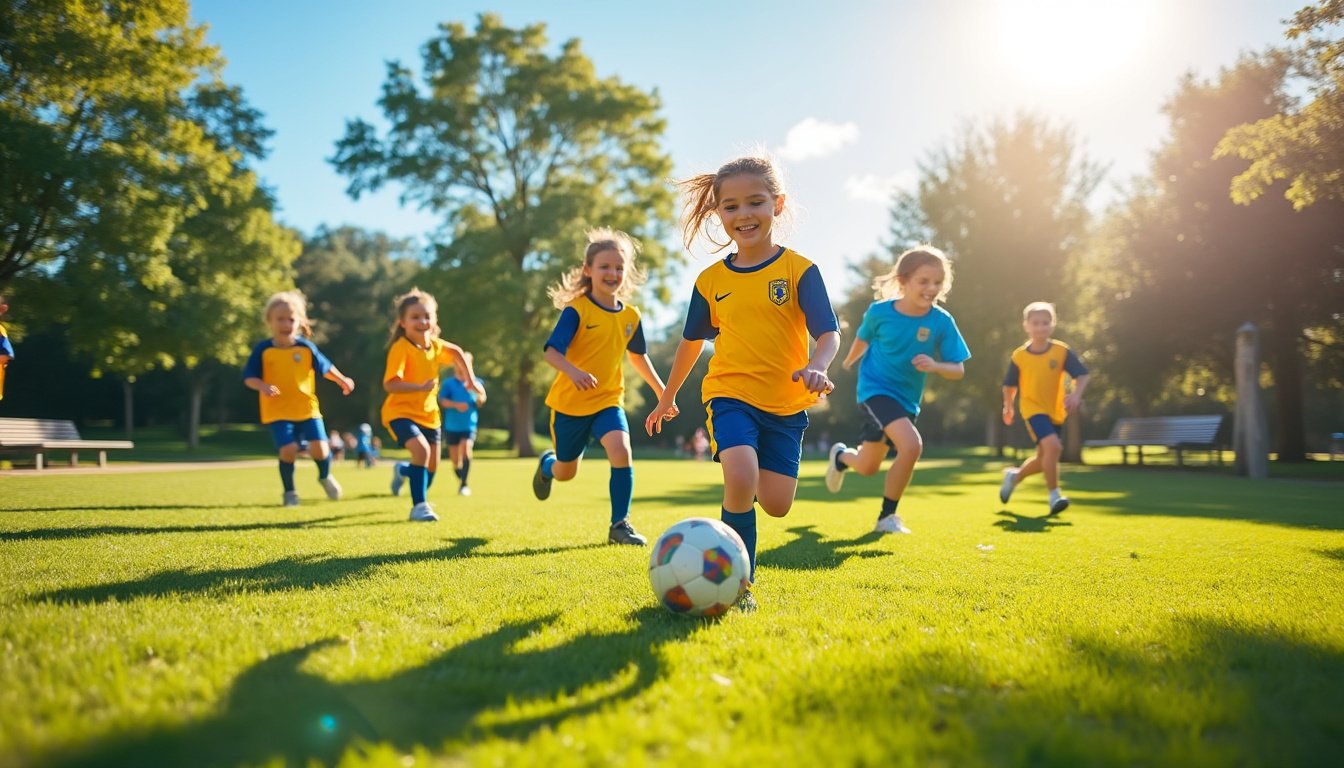
Fostering Good Hygiene and Immunity to Prevent Back-to-School Illnesses
The return to school often marks a surge in common infectious diseases among children, underscoring the importance of good hygiene practices and immunity support. Educating children on simple preventive habits can significantly reduce absenteeism and illness throughout the academic year.
Washing hands frequently with soap and water remains one of the most effective measures to prevent the spread of germs. Children should be taught to wash hands after using the bathroom, before meals, and after coughing or sneezing. Using hand sanitizers when soap is unavailable can supplement cleanliness but should not replace proper handwashing.
Teaching respiratory etiquette, such as covering coughs and sneezes with elbows or tissues, also helps minimize transmission. Schools can support these habits by providing hand sanitizer stations and encouraging regular cleaning of shared surfaces and objects.
Immunity can be further supported through vaccinations, a critical back-to-school health component. Staying up-to-date on recommended vaccines helps protect children from diseases like influenza, chickenpox, and COVID-19 variants, which still pose risks in communal settings. Parents should schedule annual wellness visits before school starts to review vaccination status and address any health concerns.
Moreover, educating children on when and where to seek medical support if symptoms of illness arise empowers families to respond promptly and reduce complications. For example, recognizing signs of strep throat or seasonal flu and consulting healthcare providers early can prevent severe illness and minimize school disruptions.
For comprehensive guidance on managing germs and boosting immunity during school season, helpful information can be found in articles like Back to School, Back to Germs. These resources provide practical strategies for families to maintain a healthy learning environment and prioritize wellness throughout the school year.
Supporting Mental Health and Emotional Well-Being for a Smooth School Transition
Mental health is equally crucial as physical health when preparing for a successful back-to-school season. The transition can induce stress, anxiety, and feelings of overwhelm in students of all ages. Proactively managing emotional wellness promotes resilience and helps children thrive academically and socially.
Parents and caregivers should create an open environment for children to express their concerns and emotions about returning to school. Listening actively and validating feelings reduces anxiety and builds trust. Establishing predictable daily routines around homework, meals, and sleep also mitigates uncertainty and promotes a sense of security.
Mindfulness practices, such as guided breathing exercises or journaling, can equip students with coping skills to handle school pressures calmly. Schools increasingly incorporate counseling services and mental health programs aimed at early intervention and peer support.
Recognizing signs of mental health difficulties—including persistent sadness, withdrawal, irritability, or declining academic performance—is vital. Timely access to professional help can make a significant difference in outcomes and overall wellness.
Addressing bullying or social challenges is another critical aspect. Encouraging positive peer relationships and collaboration nurtures self-confidence and a healthy school experience.
The 2026 shift toward integrating mental health education in school curricula underscores the importance of developing holistic support systems, both at home and within educational institutions.
Families seeking strategies for enhancing emotional health during this time may find valuable advice in health blogs such as Back to School, Back to Health, which underscore the connection between nurturing mental wellness and academic success.
How many hours of sleep should children ideally get during the school year?
Children aged 6-12 should aim for 9-12 hours of sleep per night, while teenagers need about 8-10 hours to support optimal learning and health.
What are some practical ways to encourage kids to eat healthier lunches?
Including them in meal planning and preparation, offering a variety of colorful fruits and vegetables, and limiting processed snacks can make nutritious lunches more appealing to children.
How can parents help children manage back-to-school anxiety?
Open communication, establishing routines, and teaching relaxation techniques such as deep breathing or mindfulness can reduce anxiety and improve emotional well-being.
What hygiene practices are most important to prevent illness at school?
Frequent handwashing, covering coughs and sneezes properly, and keeping personal items like water bottles and lunchboxes clean are key habits to prevent the spread of germs.
Why is regular exercise important for students besides physical fitness?
Exercise enhances mental health by reducing stress and anxiety, improving mood through endorphin release, and increasing concentration and cognitive function for better academic performance.