



When Childhood Insights Clash with Parenting: Navigating a Self-Righteous 11-Year-Old’s Youth Perspective
Having a self-righteous 11-year-old son who endlessly schools you can create a complex dynamic within any family. At this pivotal age, children begin to develop strong opinions about the world around them, often influenced by their social environment, teachers, and media. This youthful perspective is laden with sincere concern, sharp observations, and surprisingly adult-like insights. Yet, it can also challenge parental authority and provoke honest debates around lifestyle choices that were previously unquestioned.
For instance, many parents today face situations where their children critique habits such as occasional alcohol consumption, snacking on junk food, or even habitual behaviors like vaping. An 11-year-old, still navigating between childhood innocence and teenage burgeoning awareness, may adopt a holier-than-thou attitude, thinking they have a comprehensive understanding of health, ethics, and morals. They may repetitively ‘school’ parents on such topics, not out of malice but due to a genuine concern shaped by childhood insights and external influences.
Angela Rayner’s recent admission about her children calling her the “vape dragon” highlights this shifting family dynamic. It is not uncommon in 2026 for children from Generation Alpha to be much more conscious about health and the environment than their predecessors. This heightened awareness often leads to relentless reminders and well-meaning lectures on maintaining clean living standards, which can sometimes feel overbearing. After all, when a child suggests, “Mom, are you sure you should be eating those nachos?” during a holiday meal, it reflects an evolving generation gap more than simple defiance.
Within parenting circles, these moments offer challenging scenarios where adult experience confronts the idealistic, sometimes rigid, worldview of a self-righteous year-old. Nonetheless, this continuous exchange can serve as fertile ground for valuable life lessons, highlighting the necessity to balance respect, discipline, and open communication within family dynamics.
Understanding this phenomenon requires unpacking the growth stages of an 11-year-old’s judgement and exploring how the generation gap impacts perceptions on health, behavior, and morality, ultimately influencing parenting approaches and child wisdom exchanges.

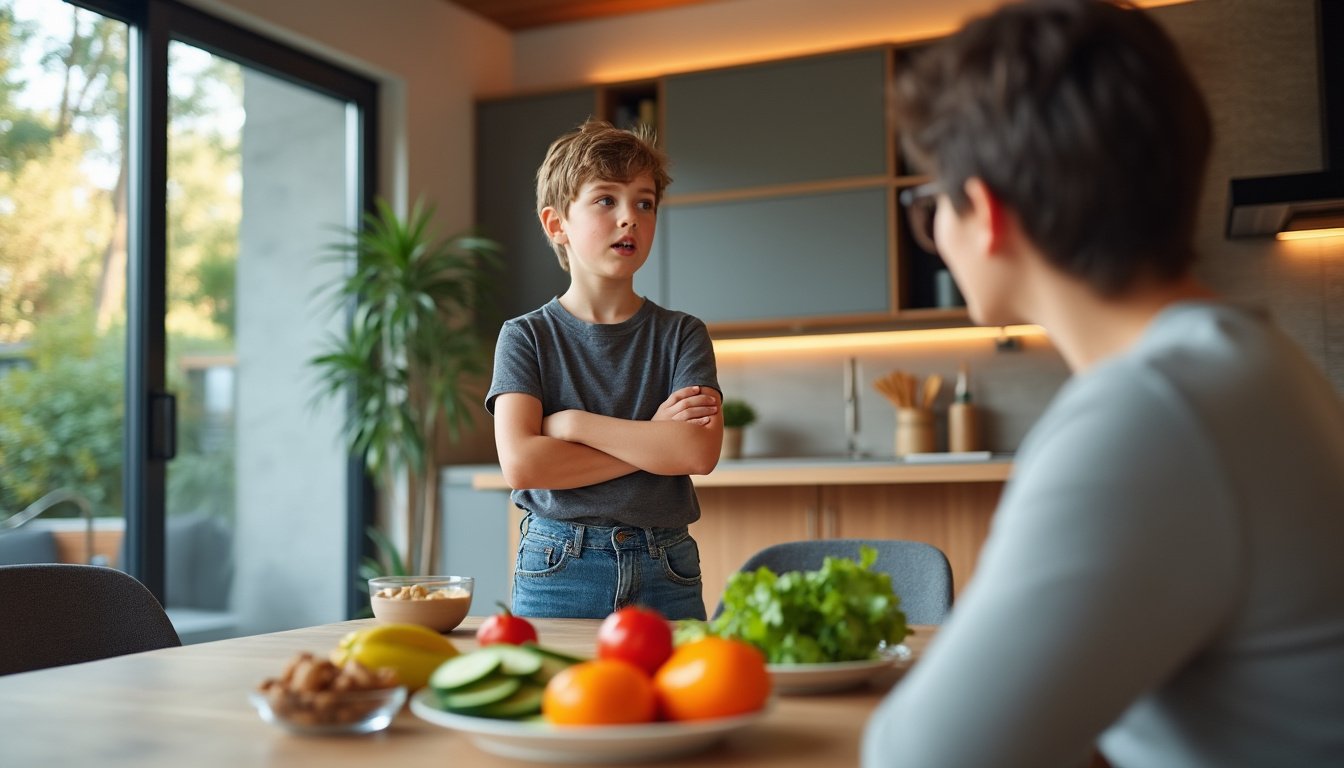
Understanding the Generation Gap: Why 11-Year-Olds Are More Health-Conscious and Self-Righteous Than Ever
The generation gap has never been more pronounced than in 2026, particularly between parents and their 11-year-old children belonging to Generation Alpha. This demographic exhibits a heightened awareness toward health, nutrition, and lifestyle choices, reflecting broader cultural shifts. Unlike in previous decades—for example, the 1990s when peer pressure to drink alcohol was prevalent—today’s youth often embrace sobriety and “clean living” with a fervor that can feel self-righteous to their parents.
Parents of this age recall their own childhoods marked by social norms that tacitly endorsed certain behaviors. For example, in the past, smoking or drinking alcohol among adults was often romanticized or normalized, even considered “cool.” This context shaped the parental attitudes many still hold. However, their 11-year-olds might vehemently oppose these same habits, citing information from school or adult role models emphasizing the dangers of substances like alcohol or vaping.
One major influence comes from teachers and caregivers who actively instill health-conscious values. Parents frequently recount how their children bring home advice learned from third-party sources, turning the tables on traditional family roles. An 11-year-old might relay, “My teaching assistant told me alcohol is poison,” leaving parents feeling endlessly schooled on matters they admittedly understand but no longer defend as confidently.
This shift is not only about behavior but taps into broader attitudes about morality and responsibility at a young age. Today’s youth tend to reject indulgence, embracing instead moderation or abstinence, and have clear expectations for their parents and role models. Their self-righteous tone often masks a deep-seated desire for stability and longevity within the family unit—an expression of child wisdom arising from childhood insights into the fragility of life and health.
This increased consciousness is also linked to public health campaigns and widespread access to information online, which empowers children to make judgments previously reserved for adults. Thus, the generation gap has transformed from a mere difference in interest to a battleground of values that challenge traditional parenting styles.
Strategies to Handle a Self-Righteous 11-Year-Old Without Damaging Family Dynamics
Dealing with a self-righteous 11-year-old who persistently lectures parents demands patience and adaptive parenting skills tailored to confront the complexities of emerging youth perspectives. Successful parenting in this context involves creating opportunities for dialogue that acknowledge the child’s growing awareness while gently setting boundaries to maintain respect without escalations.
A key approach is to view these exchanges not as confrontations but as windows of opportunity for mutual learning. When a child scolds you for eating a snack or drinking wine, responding with humor and reasonableness—like saying, “Everything in moderation, including moderation”—can diffuse tension, allowing the child to feel heard while you preserve parental authority. This tactic also models flexible thinking rather than rigid moralism.
Additionally, parents should empower children to understand balance rather than absolutism. Encouraging phrases like “you can enjoy treats as long as you balance them with exercise” helps nurture a healthy relationship with food and habits, avoiding the trap of a puritanical coldness that can come from too strong a dogmatic stance.
The family can also mutually explore the reasons behind the child’s concerns—for example, their fear about parental health or longevity. Recognizing these fears strengthens emotional bonds and frames their self-righteousness as a manifestation of love and worry.
Parents may also benefit from external support resources designed for families with challenging tween behavior. For instance, the site Tools for Your Child’s Success offers guidance on transforming moments of perceived disrespect into moments of growth, helping both child and parent cultivate emotional intelligence. Meanwhile, advice on managing typical school transition issues and rebellious behavior can be beneficial, such as perspectives shared on Reddit Parenting forums.
Finally, keeping an open line of communication ensures that the child’s opinions are not only challenged but respected, fostering a family atmosphere where being endlessly schooled by an 11-year-old feels less like an irritation and more like a meaningful dialogue.
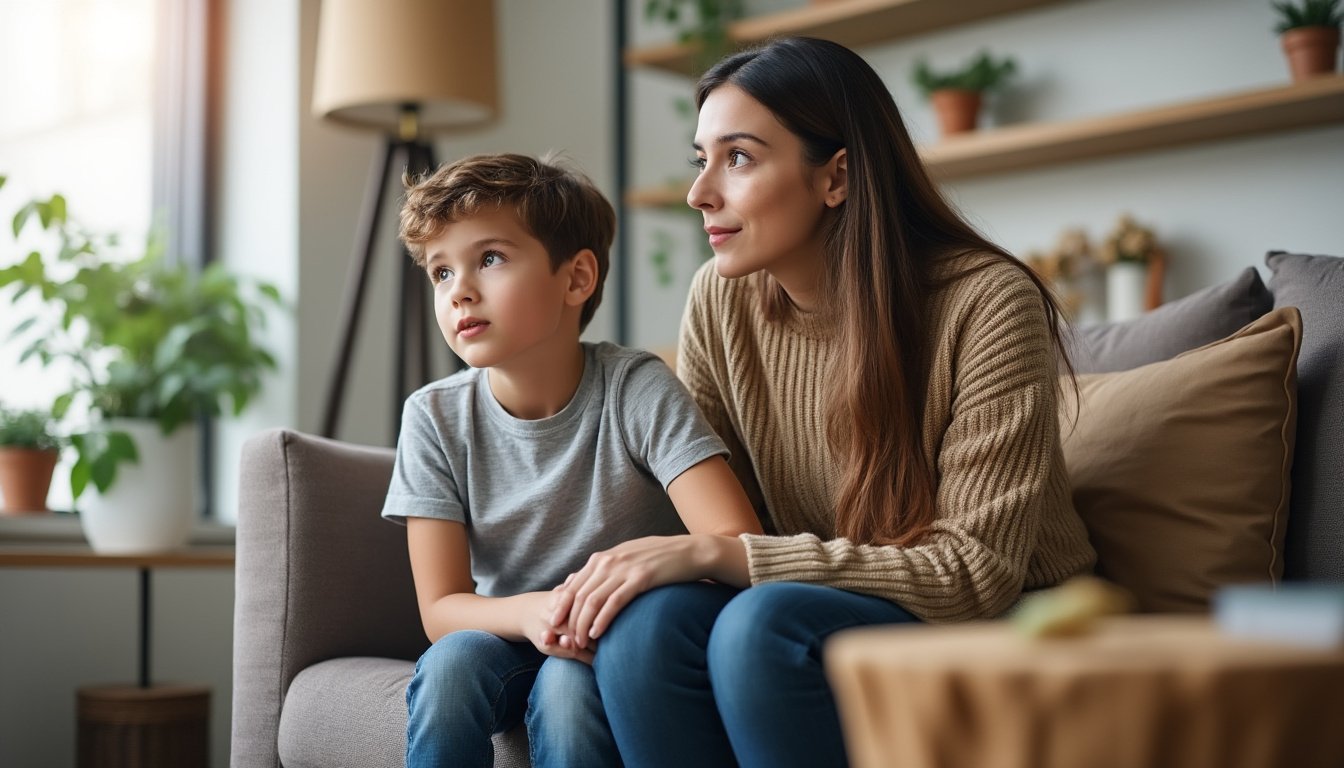
Lessons From an 11-Year-Old’s Health-Focused Critiques: Shaping Future Parenting Norms
The contemporary 11-year-old, armed with strong convictions about health and lifestyle, inadvertently provides parents with unique insights into evolving societal norms and childhood mentalities. Their critiques often push parents to re-examine ingrained habits and seek healthier routines. For example, children who refuse snacks before dinner or question sugary and fizzy drinks are manifesting an early form of health literacy.
Such behavior could be viewed as parental pressure reversed, where a self-righteous child guides the family toward healthier choices, highlighting a remarkable shift in family dynamics from parent-centered authority to a shared wisdom model. This inversion presents a valuable lesson that the generation gap can be bridged not by dominance but through cooperation and mutual education.
Parents navigating this new terrain may discover their children’s obsession with exercise, hydration, or dietary choices encourages them to re-evaluate life routines, sometimes confronting their fatigue or convenience-driven patterns. For example, a parent might spend hours preparing healthy meals only to resort to less nutritious options for themselves at mealtimes, a common real-life scenario in contemporary households.
Broadly, this phenomenon challenges traditional parenting orthodoxies. It stresses the importance of adaptability and humility within family roles, encouraging parents to embrace the learning opportunities presented by their children’s heightened awareness rather than dismissing them as precocious nuisance.
In many ways, this evolving dynamic mirrors societal shifts towards wellness and sustainability seen globally in 2026. By welcoming the critical eye of their 11-year-old, parents can pass down not only care but also the capacity for critical thought and self-reflection—crucial life lessons for an ever-changing world.
Practical Tips for Balancing Authority and Child Wisdom in Parenting an 11-Year-Old
The reality of parenting a self-righteous 11-year-old who endlessly schools you requires a delicate balance between respect for their developing autonomy and the need for maintaining parental guidance. To master this, certain practical strategies can be integrated into daily family life.
Here is a helpful list of tips to balance authority with child wisdom effectively:
- Listen actively: Encourage your child to express their concerns and opinions without immediate judgment.
- Validate feelings: Recognize their worries or fears that may be driving their self-righteous behavior.
- Model flexibility: Show that changing habits or admitting flaws is part of life and growth.
- Set clear boundaries: Define family rules about respect and communication to avoid power struggles.
- Share decision-making: Involve your child in conversations about family health choices to foster cooperation.
- Use humor: Lighten moments of endless schooling with witty responses or playful counters.
- Focus on the bigger picture: Teach moderation and balance to prevent rigid food and lifestyle obsessions.
- Seek external guidance: Access trusted resources dealing with tween behavior and emotional skills development, such as at Healthy Parenting Habits.
Implementing these tips helps reduce family tension, transform potential conflicts into growth opportunities, and nurture a relationship based on mutual respect despite the individual’s self-righteous stances. It also supports the child’s emotional development by teaching them to channel their wisdom thoughtfully and respectfully.
Ultimately, parenting an 11-year-old characterized by a strong youth perspective is both a challenge and a gift—an evolving journey of life lessons that both child and parent share together.
Why does my 11-year-old act self-righteous and lecture me?
At around 11 years old, children develop a stronger sense of identity and moral understanding, which can make them appear self-righteous as they test boundaries and express their emerging opinions passionately.
How can I handle disrespect from my 11-year-old effectively?
Transform moments of perceived disrespect into teaching opportunities by remaining calm, setting clear boundaries, and using tools to develop emotional skills, as suggested by parenting resources like Tools for Your Child’s Success.
Is it normal for an 11-year-old to be very health-conscious?
Yes, many 11-year-olds today are more aware of health and wellness due to societal trends and education. However, parents should encourage balance rather than rigid views to avoid unnecessary stress.
What is the best way to balance respecting my child’s opinions and parenting authority?
An open dialogue, validating feelings, setting boundaries, humor, and shared decision-making are key strategies to harmonize parental authority with a child’s growing wisdom.
Where can I find support for parenting challenges with 11-year-olds?
Many parenting websites and forums, such as Reddit’s parenting subreddits and specialized sites like Healthy Parenting Habits and Tools for Your Child’s Success, offer valuable advice and community support.