


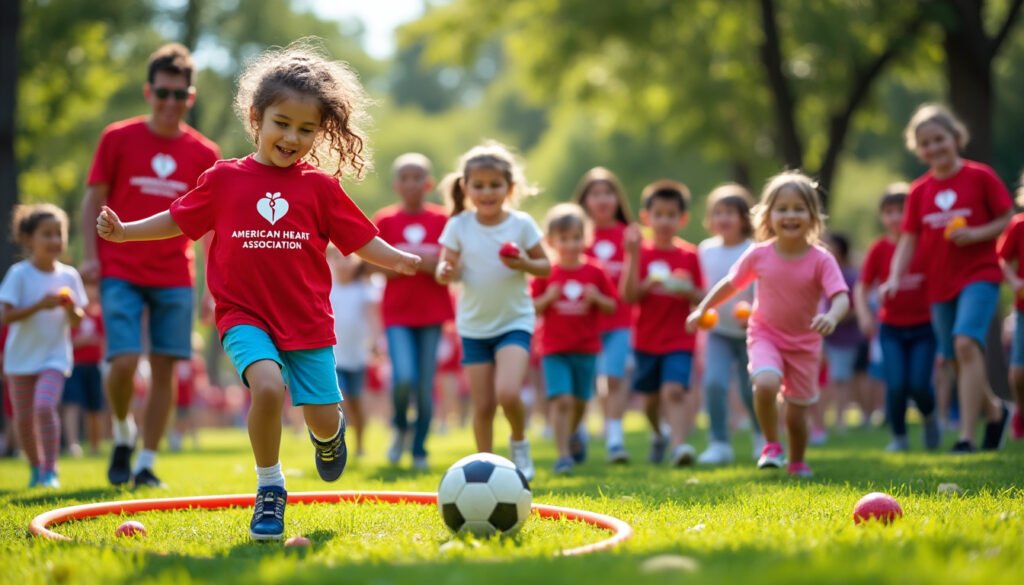
As physical inactivity affects one in four children in the United States, innovative programs become crucial to changing this alarming trend. The American Heart Association (AHA) has introduced the Lifesaver League, a dynamic initiative targeting children across Mississippi schools with the aim of fostering healthy habits early on. At the heart of this program are eight animated pups, each embodying unique superhero traits designed to captivate children’s attention and encourage them to embrace physical activity and heart-healthy behaviors. Supported by the Kids Heart Challenge, the Lifesaver League represents a breakthrough in making wellness education both engaging and impactful. By integrating fun characters, community involvement, and educational tools, the AHA intends to build a sustainable foundation for a healthier generation. In a landscape increasingly influenced by technology and sedentary lifestyles, this alliance between health advocacy and creative outreach provides a timely opportunity to reverse negative statistics with practical, relatable, and motivating strategies.
How the Lifesaver League Enhances Child Engagement Towards Healthy Habits
The Lifesaver League campaign harnesses storytelling and relatable characters to transform the way children perceive physical health. Introducing eight distinct pups, each with a special superhero trait, the program creates role models that children can identify with, making the concept of maintaining healthy habits more vivid and less abstract. This is crucial because studies show an early connection between engagement and sustained behavior change.
For example, one pup might symbolize endurance, encouraging kids to keep moving, while another highlights the importance of balanced nutrition, representing healthy eating. The diverse traits cover a spectrum of heart-healthy habits, giving children multiple pathways to connect with the messaging. This character-centric approach has demonstrated success, as children not only learn but also feel inspired to embody these positive traits.
Moreover, the program’s integration into schools via the Kids Heart Challenge allows for consistent reinforcement with teachers acting as facilitators. School staff receive resources and support that enable them to incorporate physical activities and wellness lessons effectively throughout the academic year. The partnership between schools and community organizations such as Nike, Whole Foods Market, and Planet Fitness enhances accessibility to fitness opportunities and nutritious foods, providing a real-world backing to the program’s content.
To maintain momentum, the program uses interactive technology, including digital tracking tools from Fitbit and MyFitnessPal, allowing kids and parents to monitor progress. This modern adaptation helps bridge the gap between program goals and everyday living, leveraging popular devices such as Apple Watch to keep heart health top of mind. Participants are rewarded through gamified challenges in collaboration with brands like Reebok and Under Armour, making the pursuit of health engaging and socially rewarding.
- Use of superhero-themed characters to create emotional connection
- Integration with school curricula for ongoing engagement
- Partnerships with fitness and nutrition brands to provide resources
- Leveraging wearable technology for real-time tracking and motivation
- Incentive systems through challenges with popular sports brands


Addressing Physical Inactivity in Children: The Lifesaver League’s Multifaceted Approach
Physical inactivity among children is a nationwide concern, with research indicating that 25% of young Americans do not meet sufficient activity levels. The Lifesaver League program addresses this crisis by encouraging movement, awareness, and education in a fun and interactive way.
A central element of the program is the focus on achievable goals that build confidence and foster a love for exercise. Activities are designed to be age-appropriate and inclusive, ensuring that children with varied interests and abilities can participate meaningfully. For instance, short bursts of cardio paired with dance, yoga, or simple playground games provide variety and keep children engaged.
Nutrition also features prominently within the program’s scope. With partnerships involving Whole Foods Market and Subway, children are exposed to healthier eating options and learn about balanced diets in practical, enjoyable ways. Cooking demonstrations, classroom discussions, and tastings form part of the curriculum, emphasizing whole foods and moderation.
The campaign also extends beyond the classroom by encouraging family involvement. Parents receive guidance on establishing healthy home routines similar to those promoted at school, creating consistent messages that reinforce positive outcomes. These family-oriented strategies are detailed in guides and resources accessible online, reflecting best practices for health promotion in domestic environments such as those outlined on Live Well Magazine.
- Design of inclusive and age-appropriate physical activities
- Nutrition education aligned with real-life choices in partnership with Whole Foods Market and Subway
- Family engagement tools for extending healthy habits at home
- Focus on building confidence and enjoyment in active lifestyles
- Acknowledgment of individual abilities to promote participation
This holistic way of addressing inactivity and dietary habits has shown promising outcomes in trial regions, with participants exhibiting increased enthusiasm for movement and healthier eating patterns, important steps toward long-term heart health.
Long-Term Impact: Cultivating Lifelong Heart-Healthy Behaviors in Children
The American Heart Association’s vision underscores the importance of instilling habits in childhood that continue into adulthood, reducing the risk of cardiovascular diseases. The Lifesaver League initiative works in tandem with broader missions such as the Nation of Lifesavers, which aims to turn bystanders into lifesavers through CPR education and awareness, a critical skill for emergencies.
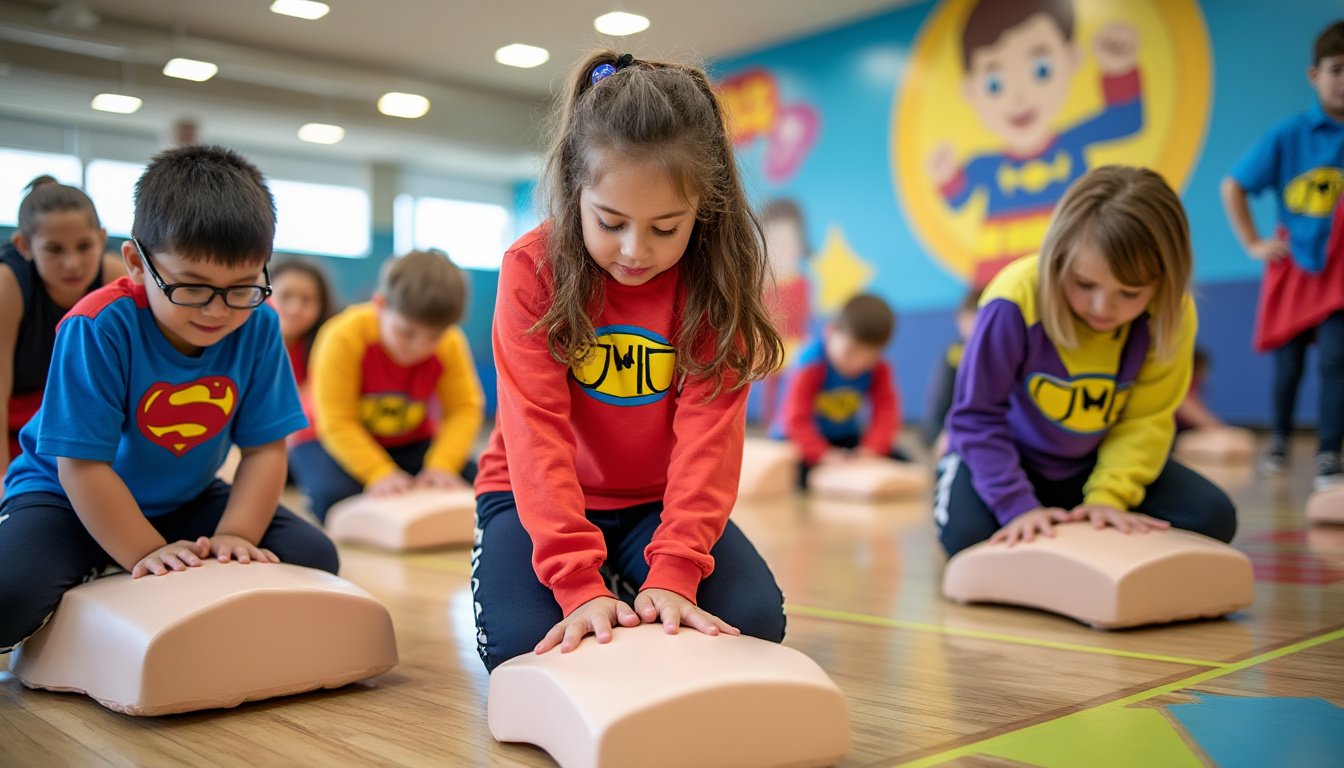
Children engaged in the Lifesaver League become participants in a culture of health that extends beyond physical activity into emergency readiness and community awareness. Through age-appropriate CPR demonstrations and storytelling by charismatic characters, children are introduced to lifesaving skills early. This aligns with the AHA’s goal to ensure that bystanders across the country can confidently perform CPR and use AEDs if needed, thereby increasing survival rates in cardiac emergencies (Nation of Lifesavers Initiative).
Exposure to health education blended with relatable, enjoyable content fosters better retention and application of these life-enhancing behaviors. Schools adopting the Lifesaver League also connect with local resources such as Planet Fitness and community health hubs to provide extended opportunities for involvement.
Statistical improvements in participants’ physical activity and knowledge about heart health have been documented, demonstrating the program’s efficacy in supporting the AHA’s overarching 2030 Impact Goals to promote healthy aging and equity in cardiovascular health. Incorporating tools and apps like Fitbit and Apple Watch further supports these initiatives, encouraging children to take ownership of their health journeys.
- Integration of CPR education with physical activity to create comprehensive health awareness
- Linkage to broader AHA campaigns like Nation of Lifesavers
- Support from community fitness centers and technology companies
- Positive shifts in child health behaviors and improved survival outcomes
- Alignment with AHA 2030 Impact Goal on health equity and prevention
How Partnerships with Leading Brands Amplify the Lifesaver League’s Reach and Effectiveness
The success of the Lifesaver League is significantly bolstered through strategic alliances with major brands recognized for their focus on fitness, nutrition, and wellness. Collaborations with Nike, Reebok, and Under Armour create opportunities to inject professional-grade sports gear and motivational tools into the program, making physical activity more appealing for children.
Nutrition partners like Whole Foods Market and Subway provide vital education on healthy eating, encouraging children to make smarter food choices supported by practical experiences such as cooking demonstrations and curated meal options. These experiences emphasize the impact of diet on heart health and overall wellness.
Technology plays a pivotal role through collaborations with Fitbit and Apple Watch, whose devices enable children and families to track steps, monitor heart rate, and set personalized goals, integrating health into daily life seamlessly. Additionally, MyFitnessPal offers a platform for logging nutrition and activity, promoting accountability in a fun and accessible way.
Community fitness centers, including Planet Fitness, offer complementary services to maintain active lifestyles outside of school hours. These relationships help build a continuum of care and encouragement, essential in sustaining the momentum created by the Lifesaver League.
- Provision of sports equipment and apparel from Nike, Reebok, and Under Armour
- Nutrition education and healthier food access via Whole Foods Market and Subway
- Incorporation of fitness tracking technology from Fitbit and Apple Watch
- Nutrition and exercise logging facilitated by MyFitnessPal
- Community fitness support through Planet Fitness locations
Implementing the Lifesaver League: Best Practices and Challenges in School Settings
Successful deployment of the Lifesaver League program within schools requires a thoughtful approach balancing logistics, stakeholder engagement, and consistent messaging. The collaboration begins with training workshops for educators to familiarize them with the curriculum, digital platforms, and community resources.
Key to effective implementation is customization; schools tailor activities to fit schedules and student needs, ensuring inclusiveness. Challenges such as limited funding, varying levels of staff buy-in, and resource availability are mitigated through support from the AHA and partner organizations, including grant programs and volunteer networks.
Measures to evaluate program effectiveness include student activity logs collected via Fitbit devices, surveys assessing knowledge and attitudes toward heart health, and participation in family challenges encouraged by brands like Gatorade that offer hydration education essential during physical exertion.
Schools that embrace a whole-child wellness philosophy, integrating physical, nutritional, and emergency skills education, serve as models for replication. Their success stories often highlight how combining fun, technology, and community resources can transform health outcomes.
- Essential educator training and continuous support
- Adaptation to specific school contexts and student demographics
- Addressing funding and resource challenges through partnerships
- Use of technology and data to monitor progress and impact
- Incorporation of hydration and nutrition education with Gatorade support
Schools embracing the Lifesaver League foster environments where children can grow with a strong foundation in heart health awareness, physical activity, and lifesaving skills, preparing them to become empowered future generations.
What is the Lifesaver League and how does it help children develop healthy habits?
The Lifesaver League is an American Heart Association initiative featuring a group of eight superhero pups that help children learn and adopt healthy habits related to physical activity, nutrition, and heart health through engaging school-based programs.
How do wearable technologies like Fitbit and Apple Watch support the Lifesaver League’s objectives?
These devices provide children and families with tools to monitor physical activity and heart rates, making it easier to set goals and stay motivated in living heart-healthy lifestyles, enhancing the program’s effectiveness.
Why is family involvement important in promoting children’s heart health?
Family involvement reinforces healthy behaviors learned at school by creating consistent environments at home, increasing the likelihood that children maintain these habits long term.
What role do corporate partnerships play in the success of the Lifesaver League?
Partnerships with companies like Nike, Under Armour, Whole Foods Market, and Planet Fitness provide essential resources, expertise, and incentives, making the program more appealing and sustainable for children and schools.
Can the Lifesaver League contribute to emergency readiness in children?
Yes, by integrating CPR awareness and lifesaving skills within the program, children become more prepared to act in emergencies, complementing AHA’s broader nation-wide initiatives like the Nation of Lifesavers.