



EmotionalStrength as the Foundation of HealthyHabits for Longevity
In 2026, the connection between EmotionalStrength and living a long, healthy life has become increasingly recognized by both scientists and health practitioners. Building emotional resilience is no longer seen as just a mental wellness goal but also as a crucial pillar supporting healthy habits that promote longevity. EmotionalStrength enables individuals to sustain motivation, cope with stress effectively, and embrace a PositiveMindset necessary for maintaining consistent SelfCare routines.
Consider John, a 58-year-old who struggled with adherence to daily exercise and balanced nutrition. Once he started focusing on nurturing his EmotionalHealth by practicing self-compassion and developing strong social support, his HealthyHabits became less of a chore and more of a lifestyle. He could withstand moments of self-doubt and fatigue, understanding that setbacks were part of the journey and not an end.
Research demonstrates that EmotionalStrength directly impacts behavior change, especially in habits related to diet, exercise, and stress management. For instance, individuals who cultivate emotional regulation are more likely to resist unhealthy impulses such as overeating or avoiding physical activity. The ability to maintain calm and clarity during stressful situations helps break cycles that otherwise reinforce poor habits.
Developing this kind of EmotionalStrength can involve multiple strategies, including mindfulness practice, journaling to clarify feelings, and seeking meaningful connections. These methods not only improve MentalWellness but also anchor a person’s commitment to a healthy lifestyle, ultimately leading to a longer life. More comprehensive guidance on how to initiate this process can be found in sources like how to build emotional strength, which provide frameworks that anyone can adapt according to their unique needs.
This interconnectedness between emotions and habits underscores a powerful truth: emotional resilience lays the groundwork for sustainable health behaviors. Therefore, lifestyle interventions intended to increase Longevity must actively include emotional development components to truly empower individuals.

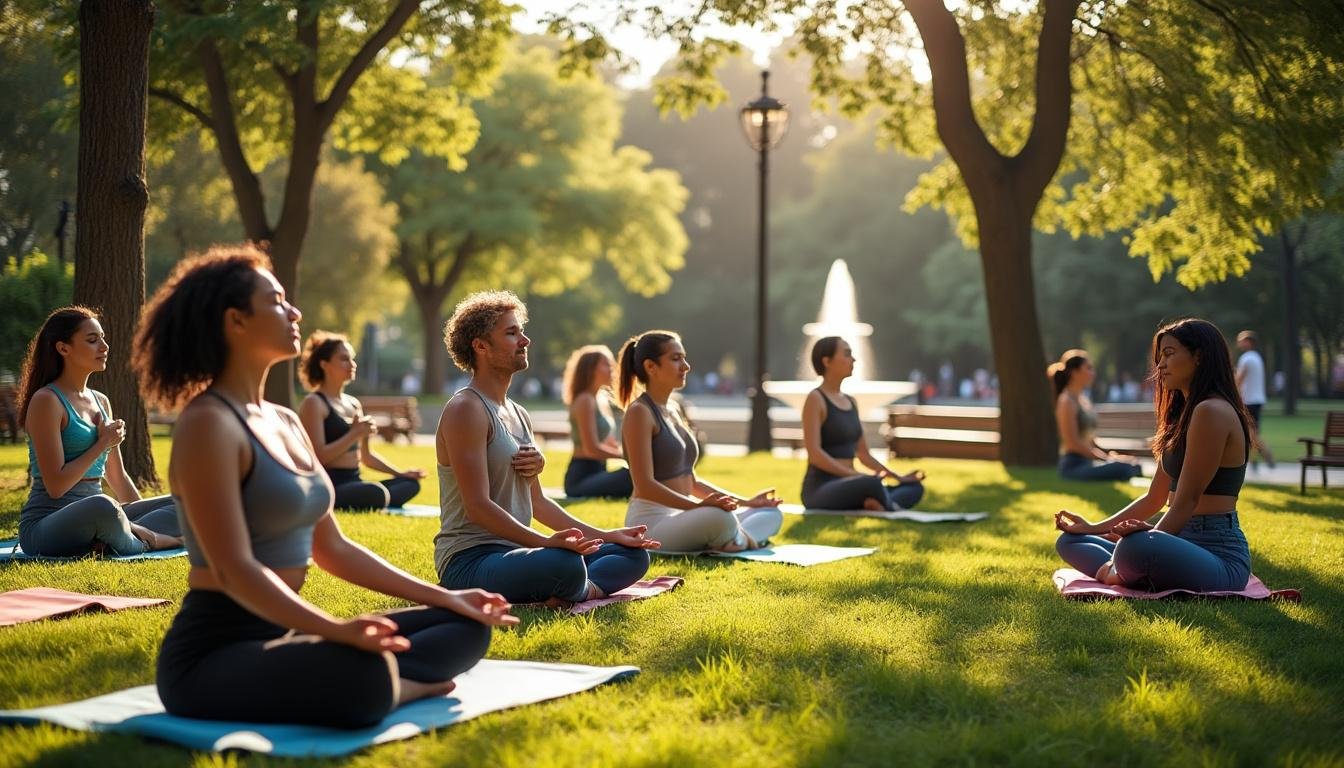
Overcoming Barriers: EmotionalHealth and Motivational Challenges in Healthy Lifestyle Adoption
Despite widespread desire to live well and extend healthspan, many face significant barriers when trying to adopt or sustain HealthyHabits. Busy schedules, financial limitations, misinformation, and longstanding cultural practices weave together to sap motivation. It isn’t uncommon, in fact, for Americans to rely heavily on quick technological fixes or medication rather than embracing lifestyle changes that require emotional investment and perseverance.
One of the most overlooked yet pivotal aspects is EmotionalHealth in the form of motivation and self-control. When individuals feel overwhelmed or discouraged, feelings of helplessness often trigger avoidance or procrastination. These emotional responses can form a vicious cycle: lack of motivation limits healthy behavior, and poor health further diminishes emotional resilience.
Fortunately, science offers hope in the form of small, actionable steps that anyone can start to take right now, regardless of age or health status. Incremental improvements not only create Physical fitness gains and cognitive benefits but also enhance emotional fortitude. For example, resistance training has shown promise in reducing cognitive decline, which in turn supports better stress management and decision-making in daily life.
The key is to recognize and consciously address these motivational barriers. Building a motivational platform can be very effective. Experts recommend defining a clear endgame that goes beyond numbers on a scale or workout stats — it should also encompass personal purpose and social connections. Reflect on why you want to be healthier and who you want to share your vitality with. This kind of emotional anchoring helps transform healthy behaviors into long-term, gratifying routines. This approach aligns well with broader findings related to building emotional strength for resilience, highlighting motivation as a critical driver of sustainable health improvements.
Science of Opportunity: Evidence-Based Insights on Longevity Through EmotionalStrength and HealthyHabits
The ‘science of opportunity’ is a compelling framework backed by evidence confirming that it’s never too late to enhance your EmotionalHealth and lifestyle habits for LongLife. Research continues to validate six core insights explaining how emotional and physical longevity correlate:
- It’s never too late: Age-related decline is not a foregone conclusion. Older adults can reverse trends by adopting improved habits.
- Small steps make a difference: Brief increments of daily exercise boost longevity and mental sharpness.
- Lifestyle reduces cancer risk: A diet rich in nutrients, exercise, and abstaining from smoking prevents many adult cancers.
- Self-control is trainable: Regular practice helps maintain consistency in diet and workout routines.
- Aging process slows: Biological age can be modulated through lifestyle, altering cellular health beneficially.
- Optimism extends life: Positive perceptions of aging correlate with longer and more active lives.
These insights not only offer hope but emphasize that Longevity is intrinsically connected to both mental and physical resilience. Developing EmotionalStrength nurtures MentalWellness and fosters a PositiveMindset that catalyzes healthier lifestyle decisions. For research-backed details on these benefits, see comprehensive analyses like the one offered by scientific publications on emotional and physical health. Adopting even modest changes creates physiological and psychological ripple effects that reinforce well-being over time.

Building Your Motivational Platform: EmotionalHealth as a Catalyst for Sustained SelfCare
Creating and maintaining HealthyHabits requires more than willpower; it demands a robust motivational platform built on emotional foundations. The following three pillars serve as cornerstones for developing this platform:
- Define your endgame: Consider not just what you want to achieve physically but why. Visualize moments such as dancing at a family event or relishing higher energy levels.
- Social sustainability: Plan regular social interactions — dinners, trips, or group activities — that reinforce your commitment through shared joy and accountability.
- Leverage progress: Use early wins to fuel further motivation, internalizing habits that eventually become instinctive parts of your routine.
John Smith’s transformation, mentioned earlier, illustrates the power of such a platform. By connecting emotionally to his goals and working alongside supportive friends, he turned simple habits into a lifestyle. It reduced his stress levels, enhanced his emotional resilience, and improved his physical health simultaneously.
Moreover, social connections and emotional wellness directly influence your ability to maintain stress management and self-control, two essential components of everyday healthy living. A balanced lifestyle anchored in EmotionalHealth encourages you to persist and adapt even when challenges arise, creating a virtuous cycle of improved longevity benefits. For deeper dives into practical strategies, resources like building emotional strength for mental health offer valuable tools and insights.
The Role of EmotionalHealth in Effective StressManagement and PositiveMindset for Longevity
Managing stress effectively is vital to preserving both EmotionalHealth and physical well-being. Chronic stress contributes to inflammation, poor sleep, and risky behaviors that compromise longevity. Those with heightened EmotionalStrength utilize coping mechanisms that reduce the psychological burden and maintain equilibrium.
Adopting a PositiveMindset is another key strategy. It reprograms how stressors are perceived — shifting from threats to manageable challenges. This mindset adjustment fosters resilience, enabling individuals to recover from setbacks quickly.
Scientific literature consistently affirms the importance of EmotionalHealth in this context. Practices such as meditation, mindfulness, gratitude journaling, and supportive communication have shown remarkable effects in maintaining calm and reducing cortisol levels.
A well-developed EmotionalStrength framework supports habit maintenance, making stressful periods less disruptive to routines. This ensures that HealthyHabits, including adequate sleep, nutrition, and physical activity, continue uninterrupted to support overall longevity goals.
Incorporating emotional growth practices into daily life cultivates a sustainable cycle of self-care and improved emotional wellness. This dual benefit strengthens the biological and psychological foundations necessary for a long and fulfilling life.
How can emotional strength improve my commitment to healthy habits?
Emotional strength enhances your ability to manage stress, stay motivated, and resist unhealthy impulses, enabling you to maintain consistent healthy habits over time.
Is it really possible to start living healthier at any age?
Yes. Research proves it’s never too late to adopt lifestyle changes that improve your physical and emotional health, leading to longer, healthier life regardless of your age.
What are some daily practices to build emotional resilience?
Daily mindfulness, gratitude journaling, seeking social support, and engaging in regular physical activity are effective ways to nurture emotional resilience.
How does a positive mindset contribute to longevity?
A positive mindset helps reframe stress and challenges, promoting better emotional regulation and healthier lifestyle choices that collectively extend lifespan and improve quality of life.
Where can I find resources to improve my emotional health?
There are many online sources and programs such as those focusing on how to build emotional strength and practical mental health approaches that offer guides and exercises to improve emotional well-being.