


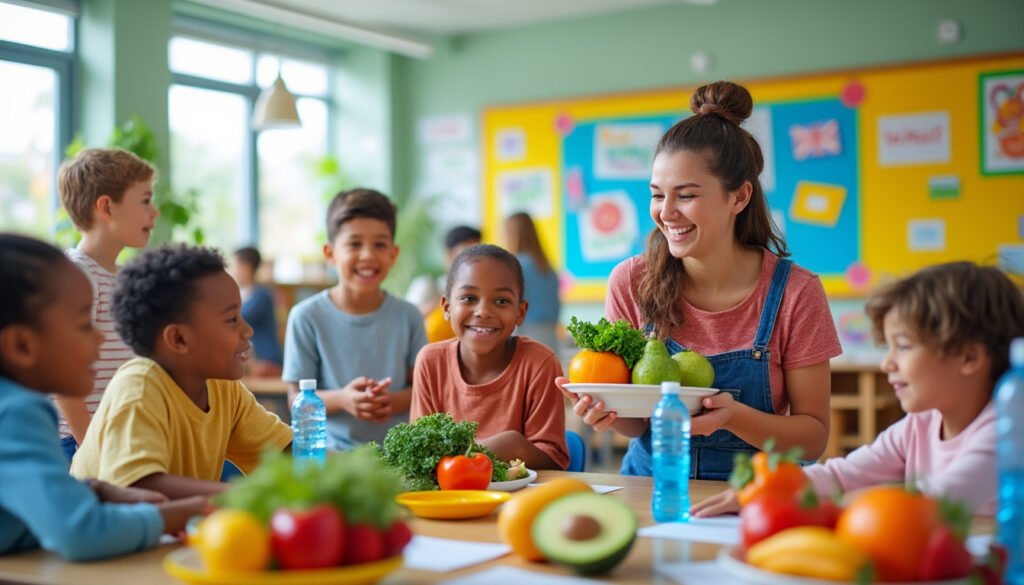
The transition into a new school year marks a pivotal moment for children and families alike. It presents an opportunity to establish routines that build both physical health and emotional resilience, critical components that shape a child’s academic success and overall well-being. As students navigate the demands of school, from early morning classes to extracurricular activities, fostering healthy habits becomes essential. These habits encompass a spectrum of factors including nutrition, physical activity, sleep, mental wellness, and positive social interactions. Engaging children in this process requires thoughtful strategies that resonate with their unique interests and developmental stages. With brands like Nike and Under Armour influencing sports participation, and tools like Fitbit enhancing awareness of physical activity, integrating these resources can amplify the adoption of routines that last a lifetime. Today’s strategies also focus on creating supportive environments both at home and in school, utilizing creative educational materials from Crayola and LEGO, along with practical lunch solutions from Yumbox and PlanetBox, all designed to make healthy choices accessible and enjoyable. By weaving these elements skillfully into everyday life, parents, educators, and communities equip children with the confidence and motivation to thrive throughout the school year and beyond.
Practical Approaches to Encourage Nutritious Eating for Kids at School
Nutrition plays a fundamental role in children’s growth, cognitive function, and energy levels throughout the school day. Encouraging healthy eating habits requires deliberate effort by parents, teachers, and school administrators. Preparing balanced meals with appealing presentations can entice even picky eaters to embrace wholesome food choices. For instance, using a Yumbox or PlanetBox lunchbox enables portion control while making meals colorful and fun, a strategy known to enhance children’s willingness to try new fruits and vegetables. These containers also promote sustainability by reducing single-use packaging waste.
Another effective technique involves integrating educational activities that highlight the importance of various nutrients. Schools collaborating with programs similar to those outlined on Globality Media help students understand how foods fuel their bodies and minds. Teachers can include interactive lessons where students build nutritional models using LEGO blocks, turning abstract concepts into tangible learning experiences. Additionally, initiatives like gardening projects let children cultivate fresh produce, giving them hands-on knowledge and a sense of ownership over their food choices, which significantly boosts healthy eating habits.
Parents have a powerful influence when they model nutritious eating at home and involve children in meal planning and preparation. Incorporating ingredients familiar to the child and gently introducing new tastes over time fosters an open-minded attitude towards food. Utilizing brands such as CamelBak ensures children stay hydrated with accessible water bottles, complementing the focus on nutritious foods. Schools that partner with wellness programs, referencing resources like Sanford Health’s 27 Ways to Promote Health and Wellness, demonstrate improvements in student concentration and mood, underlining the ripple effects of good nutrition.
- Implement visually appealing, balanced lunchboxes using Yumbox or PlanetBox.
- Engage children with hands-on educational tools like LEGO nutrition models.
- Involve kids in gardening or food-growing projects to boost food interest.
- Parents model healthy eating behaviors and involve children in meal prep.
- Encourage hydration with user-friendly CamelBak bottles.


Innovative Ways to Motivate Physical Activity and Movement in Children
Physical activity is not only vital for healthy body development but also improves cognitive functioning, emotional stability, and social skills among children. Modern strategies for encouraging movement adopt both fun and technology to increase engagement. Programs like GoNoodle combine high-energy movement breaks with interactive games to re-energize students between classes, preventing fatigue and enhancing focus. Schools implementing such tools report notable improvements in student behavior and academic outcomes, as documented in various educational resources including Nuvance Health’s guidance on creating healthy habits.
Families play a critical role by integrating physical activities into daily routines. Brands like Nike and Under Armour provide comfortable and stylish athletic wear and footwear such as those from Stride Rite that empower children to move confidently during sport or play. Parents can foster habits by setting aside time for jogging, cycling, or engaging in playground activities. For instance, a family weekend bike ride using sturdy CamelBak hydration packs turns exercise into an enjoyable event rather than a chore.
Schools that cultivate sports clubs and encourage diverse activities, from soccer to dance, nurture varied interests and accommodate different preferences. The introduction of fitness trackers, specifically Fitbit devices tailored for children, promotes self-monitoring and personal goal-setting, transforming physical activity from a duty into a personal challenge. According to educational studies such as those shared by LiveWell Magazine, this personalized approach increases motivation and adherence to regular exercise.
- Use interactive movement programs like GoNoodle during school hours.
- Equip children with supportive, comfortable Nike or Under Armour sportswear.
- Encourage family-based physical activities, such as biking with CamelBak hydration.
- Introduce Fitbit trackers to motivate individual fitness goals.
- Offer a wide selection of school sports and movement-focused clubs.
Establishing Consistent Sleep Patterns to Improve Learning and Health
Quality sleep is the cornerstone of children’s physical growth and cognitive development. A well-established sleep routine positively impacts focus, memory retention, emotional regulation, and immune function. Encouraging children to maintain consistent bedtimes and wake times, even on weekends, is vital. Sleep hygiene techniques become easier to adopt when parents create soothing pre-sleep rituals free from screens and distractions.
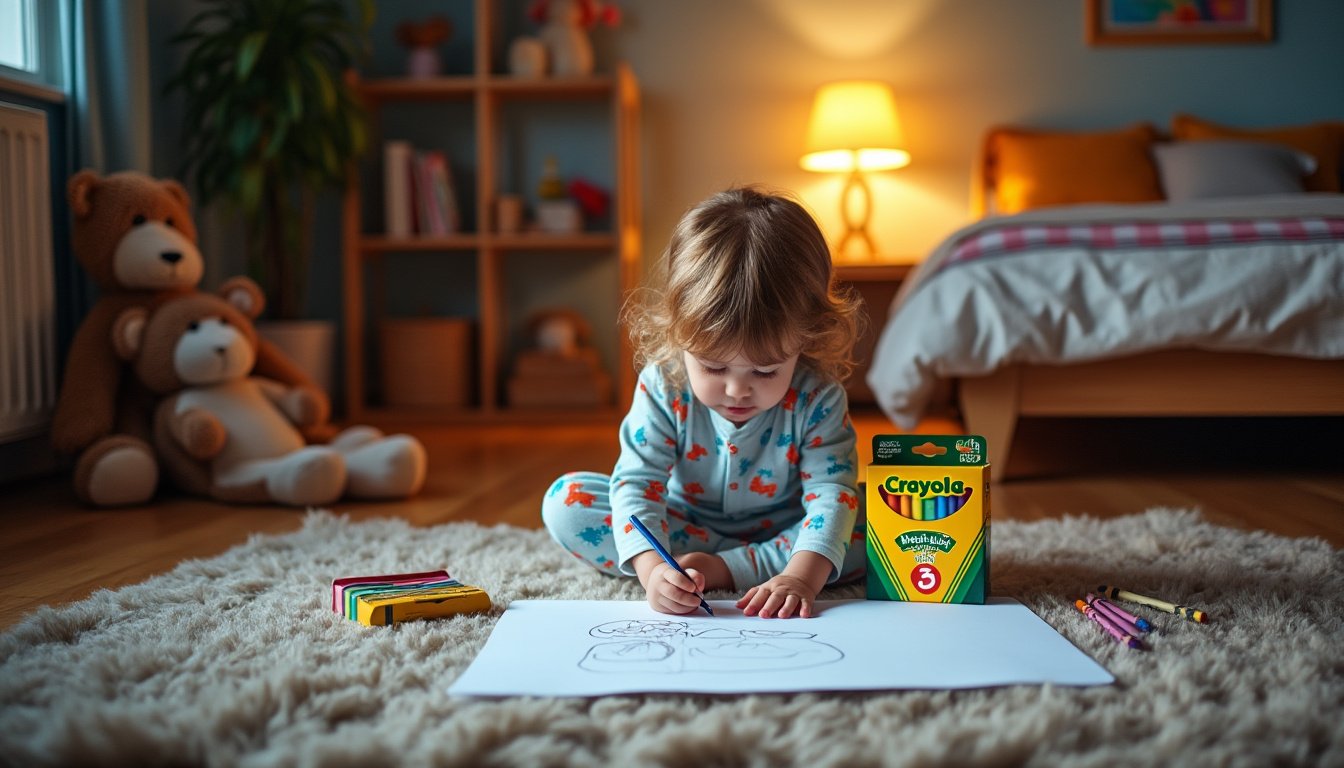
Incorporating cultural tools such as storytelling with Crayola drawing activities allows children to wind down creatively before bed, blending relaxation with expression. This artistic engagement is more effective than passive screen time or inconsistent media consumption habits that can disrupt melatonin production and prolong sleep onset.
Schools and parents together can educate children on the benefits of sleep by utilizing resources such as those offered by Stony Brook Medicine’s family habits guide. These may include limiting stimulant intake after midday, dimming lights in the evening, and establishing a comfortable sleep environment. Additionally, promoting awareness around the drawbacks of chronic sleep deprivation helps children understand the direct connection to their energy levels and academic performance.
- Set regular bedtime and wake-up schedules for children every day.
- Create calming pre-bedtime activities, such as Crayola drawing and storytelling.
- Limit exposure to screens at least an hour before sleep.
- Explain to kids how sleep benefits their brain and body functions.
- Maintain a quiet, dark, and comfortable bedroom environment.
Techniques to Support Emotional Well-Being and Stress Management in Students
Emotional health is integral to children’s ability to learn, socialize, and manage challenges in school. Effective strategies for fostering emotional resilience include teaching mindfulness, encouraging open communication, and creating safe environments where children feel heard and supported. Schools implementing mental health programs backed by evidence-based practices help normalize conversations around feelings and reduce stigma, as demonstrated by resources like Medical eStudy’s guide on health-conscious school cultures.
Parents and educators can utilize simple techniques such as guided breathing exercises or journaling to help children cope with daily stresses. Tools like GoNoodle also offer sessions tailored to mindfulness and emotional regulation, integrating them smoothly into school routines. Recognizing emotional signals and providing timely support can prevent escalations and build a foundation for lifelong mental well-being.
Peer support systems and mentorship programs empower students to learn from one another and develop leadership skills in nurturing environments. For example, projects engaging children in creative arts with Crayola encourage emotional expression, fostering empathy and self-awareness. Involvement in physical activities sponsored by popular brands like Nike and Under Armour further supports mood stabilization through the release of endorphins.
- Introduce mindfulness practices and breathing exercises in classrooms.
- Create open channels for children to express emotions safely.
- Utilize GoNoodle resources focused on emotional health.
- Encourage creative expression through arts and journaling.
- Support peer mentorship and leadership opportunities in schools.
Building Long-Term Habits Through Family and Community Engagement
Create a sustainable impact by involving families and communities in health promotion efforts. When parents, caregivers, and educators align in their commitment to healthy living, children receive consistent messages that reinforce positive behaviors. Community programs, such as those detailed on Raising World Children, emphasize the importance of collaboration to cultivate environments conducive to stable routines.
Simple yet effective strategies include organizing family wellness nights, local sports leagues supported by brands like Stride Rite and Nike, and public cooking demonstrations or nutrition workshops featuring familiar tools like the Yumbox. These activities not only educate but also build social capital and foster a culture of health.
Schools partnering with local health organizations provide access to expertise and resources that might otherwise be inaccessible. Incorporating fun challenges or reward systems, for example, badges for participation in fitness goals tracked by Fitbit, motivates children through positive reinforcement. Celebrating milestones, no matter how small, encourages persistence and self-efficacy.
- Host family wellness events involving nutrition and physical activity.
- Promote community sports integrated with appropriate footwear from Stride Rite.
- Run collaborative cooking classes using practical lunchbox solutions like Yumbox.
- Implement reward programs with Fitbit trackers to sustain motivation.
- Establish partnerships between schools and community health initiatives.
Frequently Asked Questions about Fostering Healthy Habits in Kids
- How can parents make healthy eating fun for children?
Parents can involve children in meal preparation, use colorful lunch containers like Yumbox, and incorporate playful educational tools such as LEGO to teach nutrition. - What role does physical activity play in academic success?
Regular physical activity improves concentration, mood, and energy levels, all of which contribute to better learning and cognitive performance. - How important is consistent sleep for school-age children?
Consistency in sleep routines enhances brain function, emotional regulation, and physical health, ultimately supporting academic achievement and well-being. - What are effective ways to support children’s emotional wellness?
Encouraging mindfulness exercises, open dialogue, creative arts, and peer support programs can greatly improve emotional resilience. - How can communities help sustain healthy habits beyond school?
By organizing family-focused wellness events, sports leagues, nutrition workshops, and partnering with schools to provide continuous support, communities reinforce healthy choices at home and beyond.