



In a world increasingly obsessed with health optimization, dietary supplements—ranging from vitamins and minerals to botanicals and probiotics—have become household staples for over three-quarters of Americans. However, the question remains: are these supplements truly necessary, beneficial, or even safe? While some supplements demonstrate clear health benefits in large randomized clinical trials, others may offer no advantages and can sometimes pose risks. The regulatory landscape, heavily influenced by the Dietary Supplement Health and Education Act of 1994, treats supplements more like food than medicine, leaving much of the responsibility on manufacturers rather than on rigorous federal oversight. This complex environment raises pivotal concerns about the efficacy, safety, and necessity of these widely consumed products as we navigate health challenges in 2025.
In brief, here are the essential points to understand about dietary supplements:
- 🩺 Widespread use: Over 75% of Americans incorporate supplements into their daily routines.
- ⚖️ Mixed evidence: Some supplements, particularly certain multivitamins, show benefits, while others lack scientific support or may be harmful.
- 🔍 Regulatory gaps: The FDA does not pre-approve supplements, leading to potential safety concerns.
- 🥗 Nutrition first: Most nutrients should ideally come from a balanced diet rich in varied foods.
- 💡 Individual needs: Supplements may be warranted for specific deficiencies or lack of access to diverse foods.
Understanding the complexity of dietary supplements in modern health
Dietary supplements have carved a significant niche in the wellness industry, boasting tens of thousands of products on the market, from simple multivitamins to exotic herbal extracts promising enhanced brain function or rapid weight loss. Yet, this bustling marketplace is only lightly supervised by the FDA, which classifies supplements as food rather than drugs, as defined by the Dietary Supplement Health and Education Act of 1994. This means supplements can enter the market without FDA approval or rigorous testing of efficacy and safety. For example, if a company uses an ingredient already common in foods, they may submit a safety notification, but the FDA makes no claims on effectiveness.
This regulatory framework has led to a market where potentially unsafe or ineffective supplements can circulate. A 2018 study by the California Department of Public Health found concerning instances of unapproved and possibly hazardous ingredients in some products. Furthermore, companies can designate substances as generally recognized as safe (GRAS) independently of FDA knowledge, effectively bypassing oversight unless adverse events demand intervention. This places consumers in a challenging position to discern which supplements truly support health.
- ⚠️ The risk of unsafe or mislabeled supplements remains an ongoing concern.
- 📋 Limited FDA authority on pre-market testing means many products lack rigorous efficacy studies.
- 🛡️ Industry self-regulation helps but does not replace formal governmental safeguards.

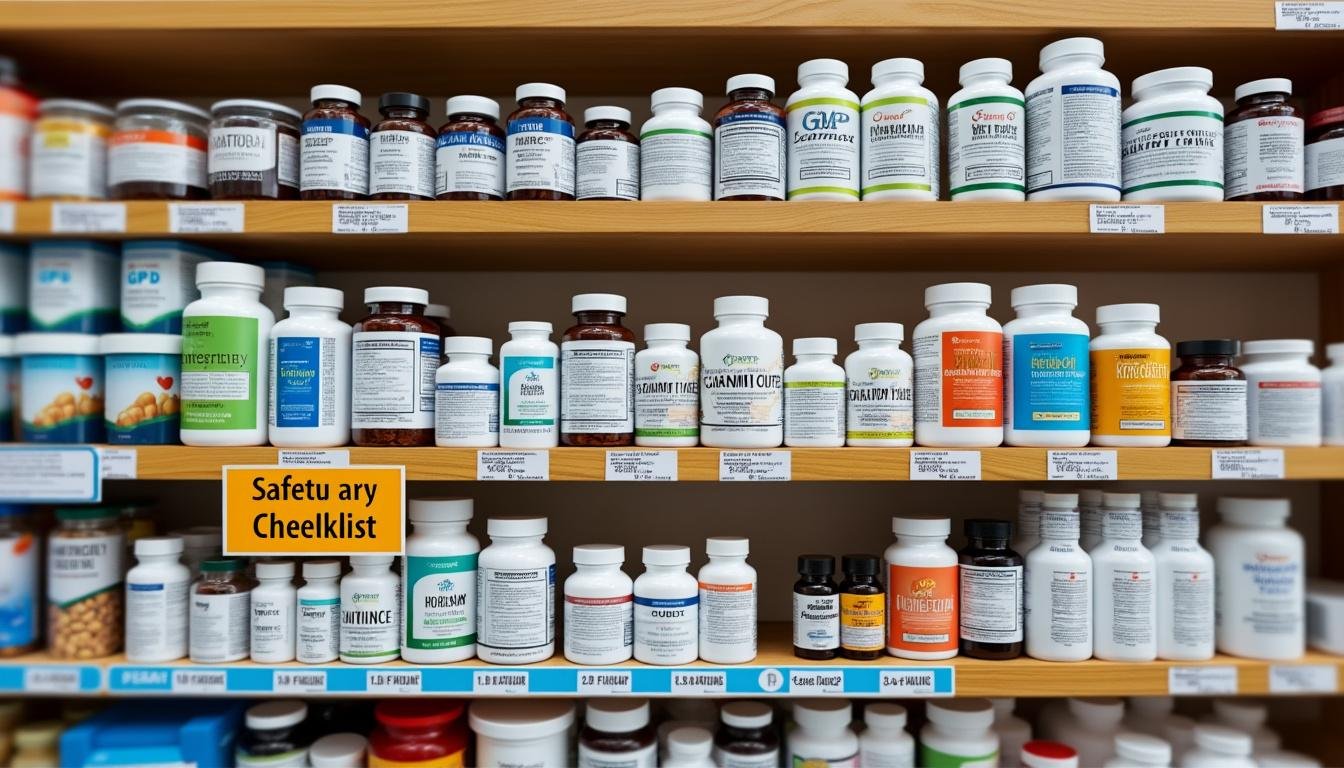
What does scientific research say about supplement effectiveness?
Comprehensive research into dietary supplements reveals a wide spectrum of outcomes. Well-conducted randomized clinical trials have highlighted benefits from some multivitamins and specific micronutrients in particular populations. However, many supplements suffer from limited scientific evidence or rely heavily on observational studies, which can only suggest correlations rather than prove cause and effect.
Experts like Dr. JoAnn Manson of Brigham and Women’s Hospital emphasize that only a small fraction of supplements have been subjected to rigorous testing. For the majority, efficacy remains uncertain. Interestingly, excessive intake, especially of supplements providing “mega doses” far exceeding daily recommended values, can be more harmful than helpful. The recent guidance by the U.S. Preventive Services Task Force advising against routine vitamin D supplementation to prevent falls in older adults exemplifies the nuanced understanding evolving in medical circles.
- 📊 Insufficient evidence: Most supplements lack definitive proof of benefit.
- 💉 Dose matters: Over-supplementation can cause toxicity or waste.
- 🌿 Balanced diet superiority: Nutrient-rich foods often outperform supplements in reducing chronic disease risks.
Who should consider taking supplements and why?
While a healthy diet remains the cornerstone of good nutrition, real-world factors such as economic constraints, limited access to fresh produce, or specific medical conditions may create nutrient gaps. For these individuals, supplements can provide essential support.
Populations that might benefit include:
- 👶 Pregnant women requiring folic acid to support fetal development.
- 🧓 Older adults prone to vitamin D or B12 deficiencies.
- 🌱 Individuals on restricted diets (e.g., vegan or vegetarian) needing certain micronutrients.
- ⚕️ Patients with diagnosed nutrient deficiencies or absorption issues.
For the majority without such conditions, indiscriminate supplement use offers little advantage. Maintaining a nutrient-rich diet following patterns like the Mediterranean diet often yields superior outcomes in memory preservation and cardiovascular health compared to isolated supplementation, as research suggests.
How to make informed choices about supplements
Navigating the supplement maze requires vigilance and knowledge. Here are key strategies to ensure safety and appropriateness:
- 🔎 Research reputable sources: Consult healthcare professionals and reliable nutrition websites.
- 🛑 Avoid mega doses: Adhere to recommended daily allowances unless advised otherwise.
- 🛡️ Look for third-party certification: Products verified by independent organizations are often safer choices.
- 📋 Be skeptical of claims: Beware of products promising “miraculous” cures or enhanced cognitive function.
- 👥 Regularly review supplement use: Periodic evaluation with your doctor helps adjust dosages or discontinue unnecessary items.
Understanding the regulatory landscape and research limitations—highlighted extensively in expert analyses—empowers consumers to make evidence-based decisions instead of falling prey to marketing hype.
Exploring the health supplement market and its future challenges
As of today, the U.S. market hosts nearly 100,000 distinct supplement products. This burgeoning industry, while partly self-regulated, remains fraught with complexities surrounding safety, marketing, and consumer awareness. Notably, high-profile public figures’ endorsement of complex supplement regimens adds to the public’s confusion.
Experts stress that consumer education and stricter regulatory policies could significantly curb risks. Moreover, large-scale clinical trials are necessary to elucidate which supplements provide real health benefits versus those that do not.
- 📈 Industry growth: Expanding product varieties increase consumer options but complicate safety monitoring.
- 📢 Marketing concerns: Bold claims without evidence mislead potential users.
- 🧬 Future research: More studies will clarify the role of supplements in preventive health care.
An informed approach—prioritizing well-balanced diets and targeted supplementation—is the optimal path forward.