



In a marketplace saturated with an overwhelming variety of dietary supplements—from GNC’s neatly arranged bottles to Herbalife shakes promising quick wellness boosts—the question remains pressing: do you really need these supplements? With the supplement industry boasting over 80,000 products and nearly 80% of Americans consuming at least one, it’s critical to cut through the marketing noise and understand who truly benefits from these products and who might be wasting money or risking their health. Leading experts emphasize that for most individuals, a balanced and nutrient-rich diet remains the most effective way to meet nutritional needs. However, specific populations such as pregnant women, older adults, and those with chronic health conditions may require tailored supplementation confirmed by healthcare providers. This article unpacks the complexities behind supplement use, regulatory challenges, and how to make informed decisions aligned with your health goals in 2025.
Understanding the Real Need for Dietary Supplements in 2025
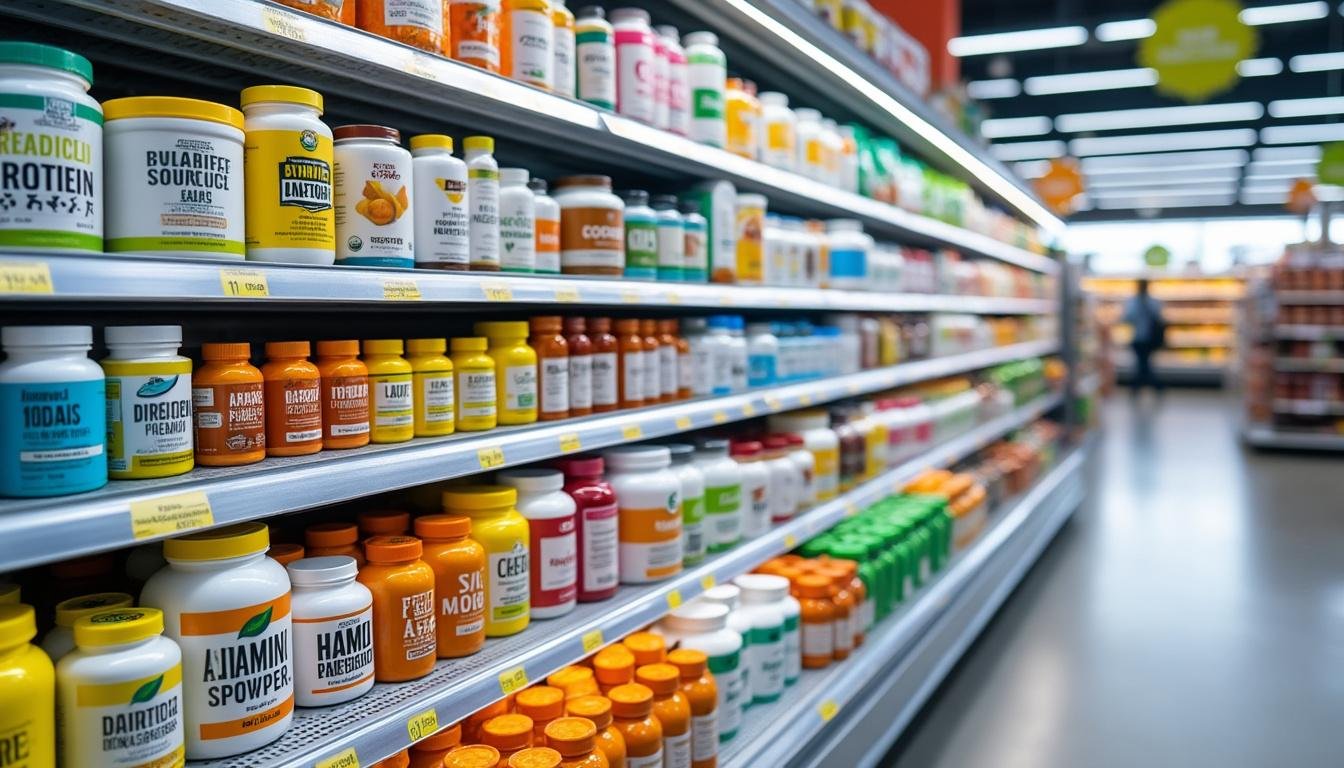
The shelves stocked with products from brands like Optimum Nutrition, Nature Made, and NOW Foods offer vitamins, minerals, probiotics, and botanical supplements. While these can support health, experts caution that most healthy people get sufficient nutrients from a balanced diet. Registered dietitian Carol Haggans highlights that supplements are designed to complement—not replace—nutrient intake from food. For example, older adults may require extra vitamin D, B12, and calcium due to decreased absorption capacity. Similarly, those adhering to vegan diets might lack vitamin B12, which is predominantly found in animal products.
- Diagnosed nutrient deficiencies confirmed by blood testing—the only clear indicator for supplementation.
- Life stages with increased nutrient demands, such as pregnancy, infancy, and aging.
- Chronic medical conditions impairing nutrient absorption, for instance, Crohn’s disease or autoimmune disorders.
- Restricted diets requiring targeted nutrients to fill gaps.
- Professional guidance to determine appropriate supplements and dosages to avoid harm.
Ignoring these factors and self-prescribing supplements can lead to unnecessary expenses or health risks—such as excessive intake of vitamins A, D, and calcium, which have established upper limits. The 2025 regulatory framework still treats supplements more like food than medicine, leaving consumers vulnerable to inaccurate labeling or unproven health claims.

Misleading Claims and The Importance of Verified Supplements
The supplement industry’s rapid growth in 2025 brings challenges, notably around misleading health claims. Many products claim to “support heart health” or “boost immunity” without substantiating these benefits through rigorous scientific trials. Dr. David Seres from Columbia University Irving Medical Center underscores that generic supplements rarely offer advantages for healthy adults who consume adequate nutrients through food.
- Unproven marketing claims confuse consumers and encourage unnecessary use.
- Lack of pre-market efficacy testing allows potentially unsafe products to enter the market.
- Variability in botanical supplements’ ingredients leads to inconsistent effects and potential drug interactions.
- The Food and Drug Administration’s reactive oversight delays interventions until issues arise.
- Choosing USP Verified brands like Nature Made and Garden of Life offers greater assurance for quality and label accuracy.
Consumers are urged to scrutinize products and consult healthcare professionals before incorporating supplements into their regimen. Relying on trusted brands such as NOW Foods, Quest Nutrition, and Supplements Direct helps mitigate risks associated with counterfeit or substandard supplements.
How to Build a Balanced Nutritional Approach Without Over-Reliance on Supplements
Rather than reaching reflexively for a pill, experts advocate optimizing diet first. Emphasizing whole foods, nutrient diversity, and lifestyle factors remains critical to maintaining health and a robust immune system. Carol Haggans advises that sustaining a healthy weight, engaging in regular physical activity, managing stress, getting sufficient sleep, and avoiding tobacco are key.
- Fill half your plate with a colorful variety of fruits and vegetables to maximize vitamin, mineral, and antioxidant intake.
- Include whole grains, legumes, fish, and lean meats to provide a balanced mix of macronutrients and micronutrients.
- Stay hydrated and limit processed foods that can negatively impact nutrient absorption.
- Get personalized nutrition advice from registered dietitians, especially if you have specific health concerns or dietary restrictions.
- Keep supplements as a backup plan only when medical tests indicate clear deficiencies or increased needs during life stages.
This holistic approach is corroborated by institutions like NIH and echoed in trusted publications such as eMedNews and Harvard Health. It also emphasizes that boosting immunity—often cited as a primary benefit of supplements—does not improve simply by consuming excessive vitamins beyond recommended amounts.

Smart Supplement Choices When Needed: Trusted Brands and Safety Tips
For those in whom supplements are advised, the choice of brand and product is crucial to ensure efficacy and safety. Products from reputable companies like GNC, Herbalife, Nature Made, Optimum Nutrition, and Vitamix carry stronger documentation and often meet Good Manufacturing Practice standards. Opting for USP Verified products can reduce the risk of ingredients differing from labels.
- Verify supplement quality marks such as USP Verified, which indicate proper ingredient content and manufacturing.
- Avoid miracle claims such as “fast weight loss” or “instant immunity”—these should raise red flags.
- Discuss all supplements with healthcare providers to avoid harmful interactions, especially with medications.
- Maintain a detailed record of supplements and medications using tools like NIH’s My Dietary Supplement and Medicine Record chart.
- Be wary of combining multiple supplements that may cumulatively exceed safe upper intake levels.
Reliable supplement dealers, including Supplements Direct and Myprotein, often curate product ranges emphasizing transparency and consumer safety. They prioritize verified ingredients and science-backed formulations, reducing the hazards associated with unregulated supplements.