


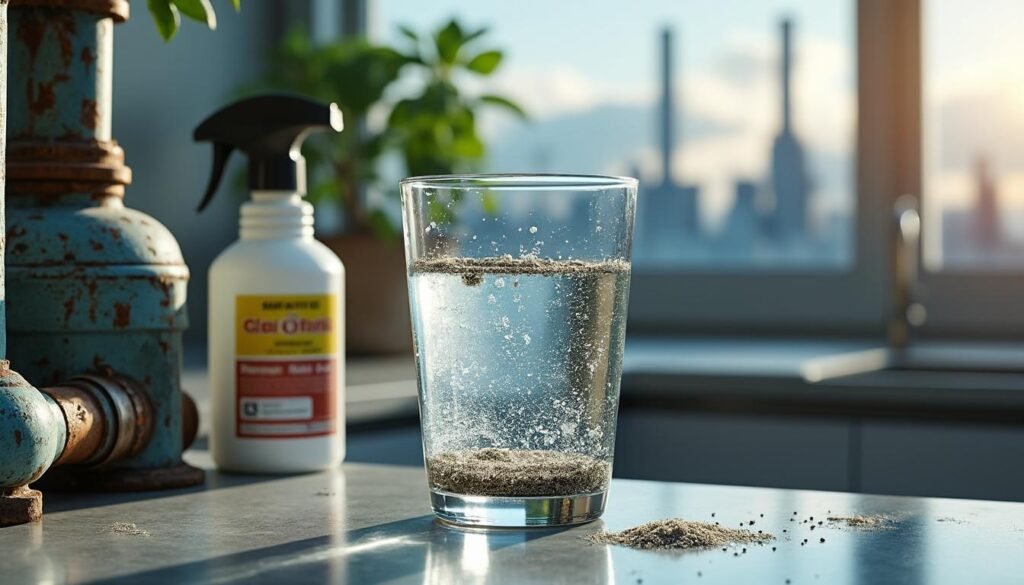
Understanding Common Tap Water Contaminants and Their Impact on Water Quality
Pouring a glass of tap water may seem effortless and healthy, but beneath its clarity often lurks a complex mix of invisible impurities. While tap water is rigorously tested to meet safety standards—primarily to eliminate harmful bacteria like Giardia and Salmonella—it is often far from perfectly pure. Various contaminants, ranging from chemical residues to trace metals, infiltrate municipal supplies due to factors such as water pollution, aging infrastructure, and natural geological processes.
Chlorine is the most widely used disinfectant in public water systems to control bacteria and viruses. Its application has dramatically reduced waterborne diseases, making it a public health cornerstone. However, chlorine itself presents issues: its strong taste and odor can be off-putting, and prolonged exposure during showers may cause skin dryness and irritation. Fortunately, removing chlorine from tap water is straightforward; activated carbon filters effectively reduce its concentration, improving both taste and comfort in daily use.
Another critical contaminant is lead, often invisible yet hazardous. Lead rarely originates directly from water sources but seeps into water through corroded plumbing and older service lines inside homes. This insidious intrusion is particularly hazardous because lead exposure accumulates over time, disproportionately affecting children and pregnant women with severe neurological and developmental risks. The only reliable method to detect lead is thorough water testing. Should lead be present, specialized filtration systems certified for lead removal, combined with practical habits like flushing taps before consumption, become indispensable.
Fluoride, intentionally added in many water systems to combat tooth decay, also demands consideration. While beneficial in controlled amounts, excessive fluoride intake can lead to dental fluorosis and possible thyroid dysfunction in susceptible individuals. Standard carbon filters do not effectively remove fluoride, so those wanting more control often adopt advanced systems such as reverse osmosis to moderate fluoride levels. Monitoring local water reports can help families tailor their approach to fluoride exposure.
Emerging contaminants like PFAS (per- and polyfluoroalkyl substances), often called “forever chemicals,” pose new challenges. Used in household products like non-stick cookware and water-resistant fabrics, PFAS resist breakdown and persist in water supplies. Preliminary studies link these substances to immune system disruption and hormonal imbalances. Addressing PFAS requires more sophisticated filtration methods, including advanced activated carbon or reverse osmosis systems, to ensure household safety.
Understanding these invisible threats highlights the gap between water considered “safe” and water that is genuinely clean. For more detailed insights into the variety of contaminants and their health implications, exploring resources such as common contaminants found in US tap water provides deeper knowledge and practical removal methods.

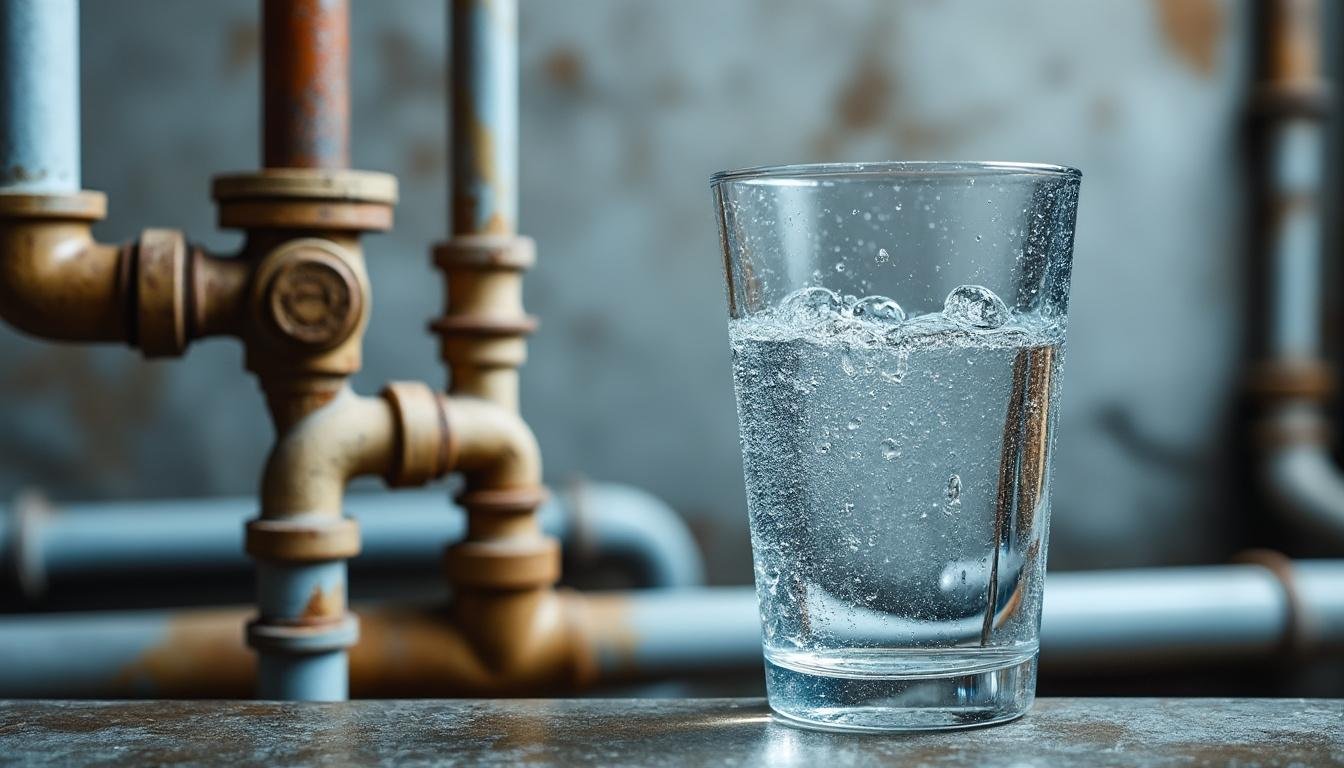
Lead Contamination in Tap Water: Hidden Dangers and Practical Solutions
Among the pollutants lurking in tap water, lead contamination demands particular attention due to its silent yet severe health risks. Unlike many contaminants that originate within water treatment plants, lead primarily enters drinking water through aging pipes, corroded service lines, and outdated fixtures inside homes. This distinction is vital because it means even well-regulated municipal water can become hazardous before reaching the tap.
Lead exposure is especially problematic because it is colorless, odorless, and tasteless, making detection without testing impossible. Studies have shown that water sitting stagnant in lead-containing pipes is more likely to accumulate higher levels. For example, consuming water first thing in the morning or after prolonged inactivity may lead to the highest intake of lead particles. This risk underscores the importance of simple behavioral practices like flushing pipes for several seconds before use.
The health ramifications of lead extend far beyond immediate symptoms. Chronic ingestion—even at low concentrations—can cause neurological damage, reduced IQ in children, and complications during pregnancy. These long-term effects have propelled legislative and technological efforts to reduce lead exposure nationwide, but fully eliminating lead from home water systems remains a challenge.
For homeowners, investing in a home water filter specifically designed to remove lead is a practical safeguard. Certified filters use technologies such as activated carbon adsorption combined with ion exchange resins that trap lead particles. Additionally, professional water testing services can verify the presence of lead and guide homeowners on the most effective filtration options.
The significance of addressing lead contamination is echoed by organizations like the Centers for Disease Control and Prevention, which emphasize water quality’s direct impact on health. Learn more about water safety and related health risks at CDC’s water quality and health information.
Chemical Disinfectants in Tap Water: Benefits and Health Concerns of Chlorine and Chloramine
Water disinfection remains a cornerstone of safe drinking water, with chlorine and its derivative, chloramine, playing central roles in municipal treatment processes. These chemical agents effectively eliminate bacteria and viruses, protecting millions from diseases. However, their use introduces potential downsides related to water quality and consumer comfort.
Chlorine’s sharp odor and taste are familiar to many who drink straight from the tap. For some individuals, particularly those with sensitive skin or respiratory issues, daily exposure to chlorine during showers and household use can lead to skin dryness, brittle hair, and irritation. Beyond these concerns, chlorine can react with natural organic matter in water, forming byproducts called trihalomethanes (THMs), which have raised health concerns due to their potential carcinogenic effects.
Some water utilities have transitioned to using chloramine, a more stable disinfectant composed of chlorine and ammonia. This compound persists longer in water distribution systems, enhancing disinfection over long distances. However, chloramine tends to be more challenging to remove at home, often imparting a faint chemical taste and necessitating specialized filtration such as catalytic carbon filters, which break down chloramine effectively without affecting water taste adversely.
A layered approach—starting with water quality awareness and matched filtration systems—helps mitigate these chemical residues’ impact. Regularly replacing activated carbon filters, or upgrading to catalytic carbon filters, ensures optimal removal of disinfectant byproducts and maintains fresh-tasting water for household use.
For in-depth knowledge of these contaminants and how to tackle them effectively, visit sources explaining filtration systems and contaminant removal.
Emerging and Regional Contaminants: PFAS, Arsenic, and Nitrate in Your Tap Water
The spectrum of tap water contaminants extends to emerging hazards like PFAS (per- and polyfluoroalkyl substances), naturally occurring toxins such as arsenic, and agriculturally linked pollutants like nitrates. Each presents unique challenges and health risks that reinforce why a comprehensive water filtration system is often non-negotiable in modern homes.
PFAS, known as “forever chemicals” due to their persistence, infiltrate water supplies from widespread use in products like non-stick pans and water-repellent fabrics. Their resistance to degradation makes them difficult to remove through typical treatment processes. Health concerns tied to PFAS include immune dysfunction and hormonal disruptions, prompting many households to adopt advanced reverse osmosis or sophisticated activated carbon filtration to reduce exposure.
Arsenic contamination generally arises from natural mineral deposits dissolving into groundwater, an issue notably prominent in regions relying on well water. Chronic arsenic exposure is linked to serious conditions, including certain cancers. Because municipal water systems regulate arsenic levels to meet legal limits that may not always align with ideal health thresholds, private well owners are advised to perform regular testing and employ targeted arsenic removal filters.
Nitrates, entering water through agricultural runoff and faulty septic systems, are more common in rural areas. Though often undetectable by taste or smell, elevated nitrate levels pose severe health risks, especially for infants, causing disorders like methemoglobinemia (blue baby syndrome). Importantly, boiling water does not remove nitrates—advanced filtration systems such as reverse osmosis or ion exchange are necessary to address this problem.
- Effective filtration options for PFAS include activated carbon and reverse osmosis.
- Arsenic removal requires specialized filters certified for this element.
- Nitrate reduction is best achieved through reverse osmosis and ion exchange systems.
- Regular testing of private wells is crucial for early detection of regional contaminants.
- Awareness of local water quality reports helps prepare for area-specific risks.
For an extensive overview of common tap water contaminants and health risks, exploring comprehensive analyses like those available at water contaminant breakdowns is highly recommended.
Physical and Chemical Impurities Beyond the Obvious: Sediment, Microplastics, and Pharmaceuticals in Tap Water
While many concerns about tap water focus on chemical pollutants, physical impurities such as sediment and microplastics also compromise water quality in less visible but impactful ways. Additionally, trace pharmaceuticals have emerged as a stealthy contaminant, raising new questions about the purity of daily hydration.
Sediment includes particles like sand, rust flakes, and dirt transported into water systems through aging pipes or disturbances in plumbing. Although usually not a direct health threat, sediment reduces water clarity, clogs filters, and can degrade the performance and lifespan of household appliances. Installing sediment pre-filters captures these larger particles before they affect finer filtration stages, helping maintain overall system efficiency.
Microplastics, tiny fragments from degrading plastic pollution, have been detected worldwide in tap water. Their presence signals broader environmental contamination issues with potential unknown long-term effects on human health. Filters rated with fine micron ratings effectively trap many microplastic particles, reducing daily exposure and supporting healthier hydration standards.
Pharmaceuticals enter water supplies primarily through human waste and improper disposal of medications. While standard water treatment processes may not fully eliminate these complex compounds, advanced filtration systems like reverse osmosis provide reliable reduction. Households should also contribute by responsibly disposing of unused medications to minimize further contamination.
Risks posed by these physical and chemical impurities emphasize the necessity of multi-stage filtration systems combining sediment filters, activated carbon, and reverse osmosis to deliver truly clean tap water free from disruptive and potentially harmful substances.
What are the most common contaminants found in tap water?
Common contaminants include chlorine, lead, fluoride, PFAS, arsenic, nitrates, microplastics, and pharmaceuticals. Each originates from different sources, including water treatment, plumbing infrastructure, agricultural runoff, and environmental pollution.
Can a simple home water filter remove all tap water contaminants?
No single filter can remove every contaminant. Activated carbon filters effectively reduce chlorine and many organic chemicals. Reverse osmosis systems are better for removing fluoride, arsenic, nitrates, and pharmaceuticals, while specialized filters target lead and other metals.
How can I test if my tap water contains lead?
You can use DIY water testing kits available at home improvement stores or hire professional lab testing services to accurately determine lead presence. Regular testing is especially crucial in homes with older plumbing.
Is bottled water safer than tap water?
Bottled water is not necessarily safer than tap water and may still contain contaminants. Many tap water supplies meet strict safety regulations but could benefit from additional home filtration for optimal quality.
Why is a home water filter essential for health?
A home water filter reduces exposure to harmful contaminants like lead, chlorine, PFAS, and more, which might not be completely removed by municipal treatment. This helps protect your family’s health, improve taste, and support daily hydration with cleaner water.