



For decades, a crucial paradox has existed at the heart of cancer research: while adults aged 65 and older account for the majority of cancer diagnoses, they have been consistently underrepresented in the clinical trials designed to find new treatments. This gap means that the data on safety and efficacy for many groundbreaking therapies may not fully reflect the realities of an older population, which often deals with comorbidities and different physiological responses. As we see incredible progress with treatments like safer, next-generation CAR-T therapies and ‘smart’ chemotherapies, ensuring these innovations are tested on the people most likely to use them is more critical than ever. The tide is turning, however, as researchers and advocates now actively work to dismantle the barriers—from logistical challenges to outdated eligibility criteria—that have kept seniors on the sidelines. This shift not only promises more effective and personalized care for older adults but also empowers them to take an active role in shaping the future of medicine.
In Brief:
- Older adults are historically underrepresented in cancer clinical trials despite having the highest rates of cancer.
- Barriers include strict eligibility criteria, financial burdens, and lack of awareness, but resources are available to help.
- Participating in a trial can offer access to cutting-edge treatments and personalized medical care at no cost.
- Key resources like ClinicalTrials.gov and the National Institute on Aging can help you find suitable studies.
- Advocacy is growing to make trials more inclusive, ensuring new treatments are safe and effective for seniors.
Unlocking the Future of Treatment: Overcoming Barriers to Senior Trial Participation
For many seniors, the phrase “clinical trial” can conjure images of uncertainty or feel like a world reserved for others. This perception is often reinforced by systemic hurdles. Historically, age itself was an exclusion criterion, and even today, comorbidities like heart disease or diabetes can disqualify potential candidates. “I was diagnosed with lung cancer at 72, and I also have high blood pressure,” shares a fictional patient, David M. “I assumed I wouldn’t be eligible for anything new, but my doctor explained that many modern trials are specifically looking for real-world patients like me.” 🩺
Beyond medical criteria, practical and financial challenges loom large. Transportation to trial sites, housing for long-distance travel, and other out-of-pocket expenses can be prohibitive. Fortunately, organizations are stepping in. For example, some financial assistance programs are designed to help patients and their families afford these basic needs, removing a significant barrier to life-saving treatments. Understanding the historical underrepresentation of older adults is the first step toward advocating for more inclusive and accessible research for all.

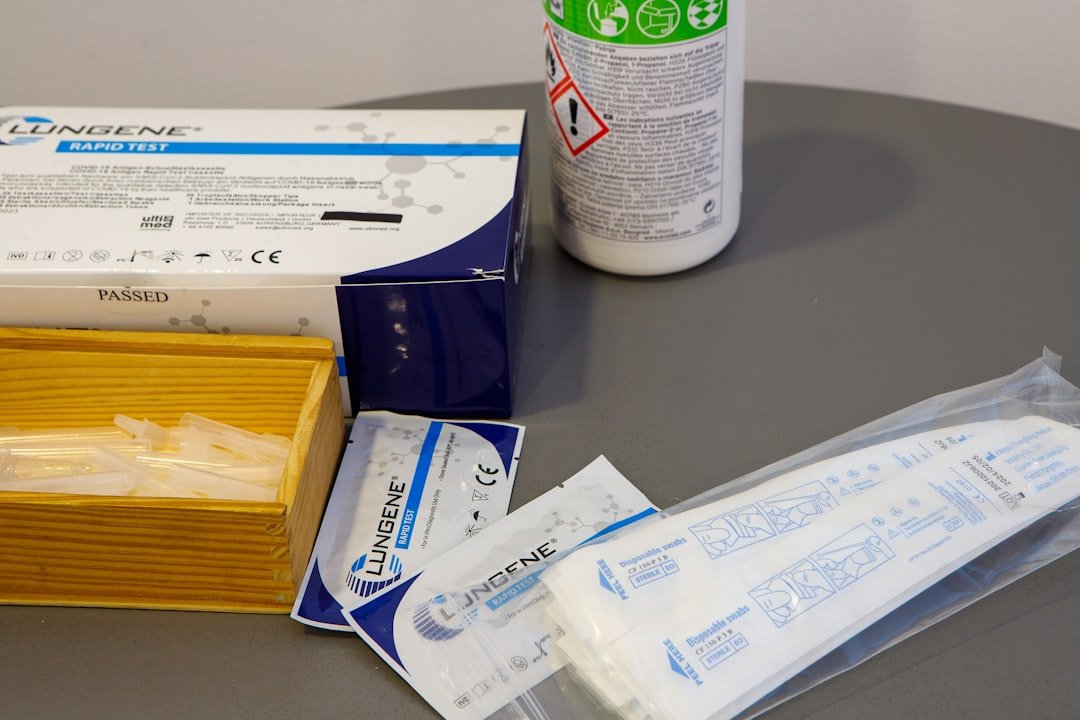
How to Find and Evaluate a Clinical Trial That’s Right for You
Taking the step to explore clinical trials can feel empowering. The key is knowing where to look and what to ask. The most comprehensive starting point is the U.S. government’s database, ClinicalTrials.gov, which lists thousands of studies nationwide. For those focused on conditions related to aging, the National Institute on Aging provides excellent resources and trial information. When you find a potential match, the next step is a thorough conversation with your oncology team. This is where finding reliable health information online can help you prepare for that discussion.
Before committing, it’s vital to be fully informed. Consider this a partnership with the research team. Here are some essential questions to ask: 📝
- ➡️ What is the main purpose of this study?
- ➡️ What are the potential risks and benefits for me?
- ➡️ What tests and procedures are involved, and how often?
- ➡️ Will I be compensated for my time or travel?
- ➡️ Who can I contact if I have questions or problems during the trial?

Paving the Way for a New Era of Inclusive Cancer Research
The push for greater senior inclusion is not just about fairness; it’s about better science. Data from a diverse, representative population is essential for developing treatments that are truly effective for everyone and is a key factor in future FDA cancer approvals. As advocacy groups and institutions champion this cause, we are seeing a positive shift toward more flexible trial designs and a greater focus on patient quality of life. For patients who may not qualify for a standard trial, compassionate use programs can sometimes offer another pathway to access investigational drugs.
“Participating in my trial was about more than just my own health,” says fictional breast cancer survivor, Carol, 69. “It was a chance to help ensure that the next generation of women, including my own daughters, will have better, safer options.” Her sentiment captures the profound impact that senior participants have. By stepping forward, they are not only accessing potentially life-extending therapies like groundbreaking treatments like ‘smart’ chemotherapy but are also becoming indispensable partners in the fight against cancer. 💪


Am I too old or sick to join a clinical trial?
Not necessarily. Many modern clinical trials are designed specifically for older adults or people with pre-existing conditions. Eligibility criteria vary widely, so it’s always best to discuss options with your doctor. Some studies even focus on improving quality of life for patients with multiple health issues.
Are clinical trials safe?
Patient safety is the top priority in all clinical trials. Each study is governed by strict protocols and overseen by an Institutional Review Board (IRB) to ensure risks are minimized. Participants are monitored very closely by a team of doctors and nurses. You will be fully informed of all known potential risks before you agree to participate.
Will my insurance cover the costs of a clinical trial?
Typically, the investigational drug or treatment itself is provided at no cost by the trial sponsor. Routine patient care costs—the parts of your care you would need whether you were in a trial or not—are usually billed to your health insurance. Many trials also reimburse participants for travel and other related expenses. It’s crucial to discuss all potential costs with the trial coordinator and your insurance provider beforehand.
Where can I find paid clinical trials specifically for seniors?
While not all trials offer payment beyond reimbursement, some do provide compensation for time and participation. Websites like ClinicalTrials.gov allow you to search for trials, and specialized research centers often list studies they are conducting. Discussing your interest with your doctor is a great first step, as they may be aware of recruiting studies in your area.
Disclaimer: The illustration photo in this article was generated by an AI. Fictional testimonials may have been included to illustrate the topic.