


For many people over 65, the word “frailty” carries a sense of finality. It conjures up images of weakened limbs, unsteady balance, and the slow loss of independence. In both media and medicine, frailty has long been treated as an irreversible stage of aging — the moment when decline becomes inevitable. But this perspective is rapidly changing.
Recent research in geriatric medicine is challenging these outdated assumptions. We now understand that frailty is not a fixed condition, but a dynamic one — and more importantly, one that can often be slowed, managed, or even reversed. Far from being a point of no return, it can be a red flag, a turning point, and in many cases, a new beginning.
Across clinics, rehabilitation centers, and senior fitness programs, older adults are proving just how adaptable the human body remains, even well into the eighth or ninth decade of life. With the right support, targeted interventions, and a clear understanding of what’s happening in the body, people once labeled as “frail” are rebuilding strength, restoring mobility, and regaining the confidence to live actively and independently.
As a doctor and gerontologist, I’ve had the privilege of witnessing remarkable transformations. Patients who once struggled to rise from a chair without assistance are now walking daily. Some have resumed gardening, dancing, or playing with grandchildren — activities they had quietly mourned. These changes don’t happen overnight, but they happen. The key is shifting how we think about aging: not as a slow retreat from life, but as a stage where resilience can still grow and strength can still return.
What is frailty and how does it affect older adults?


Rather than being a natural part of aging, frailty is a signal that the body’s systems are becoming less coordinated. It increases the risk of falls, hospitalizations, and reduced independence — but it is not the same as disability. Many people considered frail are still able to function, and that makes early intervention especially powerful.
The good news: Frailty can be slowed or reversed
Key findings show that:
- Strength training improves muscle mass and walking speed
- Better nutrition reduces fatigue and restores energy reserves
- Physical activity enhances balance and lowers fall risk
- Social support encourages sustained participation in healthy habits
What was once viewed as decline is now understood as a warning sign — and an opportunity to act.
What it takes to rebuild strength after 65
Reversing frailty involves a combination of physical, nutritional, and psychological strategies. No single fix exists, but the combination can be life-changing.
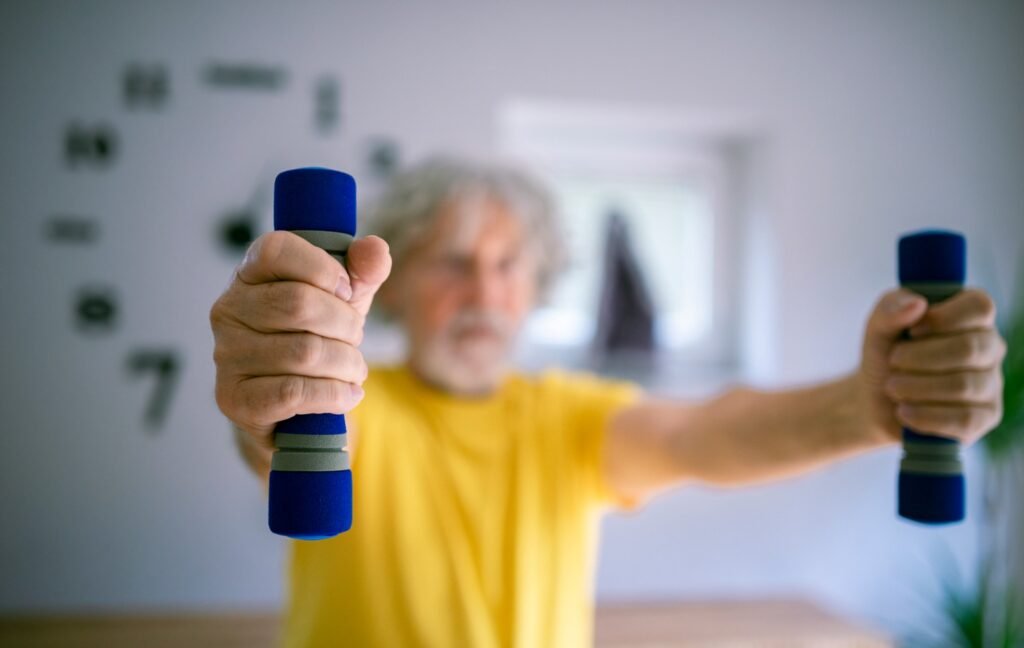
- Strength training: Resistance exercises, including bodyweight movements, bands, or light weights, can rebuild muscle and improve coordination. Two to three sessions per week are ideal, starting slowly and progressing safely.
- Protein and calorie support: Many older adults consume too little protein. A diet rich in legumes, eggs, fish, lean meat, and dairy supports muscle regeneration and energy.
- Balance and flexibility: Tai chi, yoga, and simple balance drills help improve stability and reduce fear of falling.
- Regular movement: Even short daily walks can make a significant difference when sustained over time.
- Social engagement: Group classes, community centers, or walking with a friend provide accountability and joy.
A gerontologist’s insight: What works and what gets in the way

Many people assume that aging equals inevitable weakness. That belief alone can stop progress before it starts. Others may fear injury or feel embarrassed to try. This is where family support, medical encouragement, and professional guidance become essential.Barriers like chronic pain, poor sleep, or limited transportation are real — but with a personalized plan and patience, they can often be addressed. The most important step is simply beginning.
No matter your age, it’s never too late to strengthen your body, regain stability, and feel more in control of your daily life. With the right tools and support, aging can be not just about preserving life — but about enriching it.