


As we face another year where health awareness is paramount, maintaining a robust immune system is more crucial than ever. Every season brings its own set of challenges, from unpredictable weather shifts to exposure to new pathogens. Fortunately, you can proactively strengthen your body’s natural defenses by incorporating a few straightforward daily habits. These practices, rooted in both science and tradition, provide a reliable foundation to stay resilient all year round. Embracing these habits not only protects you from common illnesses but also promotes overall vitality and well-being.
Strengthen Your Immune Health with Regular Hand Hygiene and Mindful Social Interactions
One of the most fundamental practices for enhancing your immune defense is thorough, consistent hand hygiene. Despite being a basic habit learned early in life, washing your hands effectively remains unparalleled in preventing the spread of pathogens. In 2025, medical experts still emphasize this practice as a cornerstone of infection prevention.
The Centers for Disease Control recommend washing hands with warm, soapy water for a minimum of 20 seconds. This duration ensures that germs trapped under fingernails, on the backs of hands, and wrists are adequately removed. Activities such as handling groceries, using public transport, or interacting with colleagues can expose your hands to thousands of microbes. Washing hands frequently disrupts the transmission cycle, safeguarding both your health and that of those around you.
Further, the value of maintaining distance from individuals showing symptoms of illness cannot be overstated. While avoiding loved ones or coworkers during their bouts with cold or flu might seem challenging, it significantly reduces the risk of cross-contamination. This effort pairs well with using disinfectant wipes on high-touch surfaces like doorknobs, keyboards, and smartphone screens after contact. Such preventive measures are especially critical in enclosed spaces like offices and gyms where germs can thrive.
Practical daily checklist to reinforce hygiene and social distancing:
- Wash hands at regular intervals, especially before meals and after outdoor activities.
- Avoid touching your face, particularly eyes, nose, and mouth, with unwashed hands.
- Keep hand sanitizer accessible when soap and water aren’t available—preferably formulations containing at least 60% alcohol.
- Limit close contact with visibly sick friends or colleagues, and politely encourage remote communication if possible.
- Clean frequently touched home and work surfaces daily using EPA-approved disinfectants.
Incorporating these simple habits is a powerful step towards reducing daily microbial exposure. Consumers have increasingly turned toward supplements such as Airborne and Emergen-C to supplement immune defenses, but the behavioral fundamentals of hand hygiene and social awareness outweigh reliance on supplements alone. For more comprehensive strategies on preventing infection in everyday life, readers may find valuable insights at Real Simple’s guide to healthy habits.


Adopt Nutrient-Rich Foods and Targeted Supplements to Support Immune Function Naturally
Nutrition plays a pivotal role in tuning immune efficiency. Emerging research as of 2025 consistently highlights how diets rich in antioxidants, polyphenols, vitamins, and minerals enhance immune cell function and resilience. Including a diverse range of fruits, vegetables, nuts, seeds, legumes, and whole grains helps supply these vital nutrients.
For example, fresh grapes, especially varieties such as California grapes, contain resveratrol and flavonoids—plant compounds linked to positive immune modulation. These antioxidants don’t just protect cellular health but also contribute to supporting lung and brain function. Adding grapes into your daily routine can be deliciously simple. Try a recipe like the Lemony California Grape and Beet Salad, combining roasted red and yellow beets with grapes, peppery arugula, pumpkin seeds, and a zesty lemon vinaigrette. This vibrant dish provides a bounty of nutrients and antioxidants while being hydrating due to grapes’ high water content (about 82%).
Alongside whole foods, select dietary supplements can provide targeted immune support. Brands like Nature Made, Garden of Life, and Rainbow Light offer formulations rich in key vitamins such as C, D, and zinc, all recognized for their immune-enhancing properties. Similarly, highly regarded options such as Sambucol (elderberry extract) and Zicam (zinc-based formulations) have gained popularity for their potential roles in colds and upper respiratory health.
Experts recommend a balanced approach:
- Prioritize whole foods packed with antioxidants and fiber.
- Incorporate foods rich in vitamins A, C, D, and zinc.
- Consider supplements if dietary intake is insufficient or if you have specific health needs.
- Stay informed from credible sources about supplement interactions and efficacy.
- Consult healthcare providers before initiating new supplements, particularly if on medication.
Readers seeking practical dietary tips and expert advice on immunity might explore tailored guides at MSN Health’s 17 immunity-boosting habits or Live Well Magazine’s list of superfoods for immunity.
Hydration and Exercise: Daily Habits that Optimize Immune Defense and Overall Vitality
Staying well-hydrated is a deceptively simple but vital habit for sustaining immune vigilance. Water maintains cellular function, flushes toxins, and supports the transportation of immune cells throughout the body. Even in cooler or transitional seasons, maintaining hydration helps preserve the mucosal linings of the respiratory tract—a key barrier against infectious agents.
Practical ways to boost hydration include:
- Drinking a minimum of eight 8-ounce glasses of water daily, adjusted for activity level and climate.
- Consuming water-rich foods like fresh grapes, cucumbers, oranges, and leafy greens.
- Avoiding excessive caffeine or alcohol, which can contribute to dehydration.
- Hydrating before, during, and after exercise or outdoor activities.
Speaking of exercise, regular moderate physical activity is a proven immune enhancer. Exercise stimulates circulation, improves lung capacity, and reduces stress hormones, fostering an environment enabling immune cells to travel efficiently and carry out their functions. A daily regime might include brisk walking, yoga, or light resistance training lasting 30-45 minutes. This commitment aligns well with holistic immunity-boosting strategies endorsed by health authorities and popularized by brands like NOW Foods and Olly, known for their wellness product lines focused on fitness and nutrition.
Moreover, exercise encourages better sleep quality, directly linked to enhanced immune memory and repair mechanisms. For comprehensive tips on combining hydration and exercise to reinforce your immune system, explore resources at Healthier Up and The Healthy’s compilation on immunity habits.
Prioritize Sleep and Stress Reduction for Holistic Immune Resilience
Increasingly recognized in 2025 as equally vital as nutrition and hygiene, managing sleep and stress levels dramatically influences immune capacity. Chronic stress elevates cortisol, which suppresses immune cell activity and heightens susceptibility to infections. Similarly, sleep deprivation impairs the body’s production of protective cytokines and antibodies.
Improving sleep hygiene involves creating conditions for restorative rest. Some evidence-based strategies include:
- Maintaining a consistent bedtime and wake-up schedule, even on weekends.
- Limiting blue light exposure from screens one hour before bed to enhance melatonin production.
- Creating a dark, quiet, and cool sleeping environment.
- Incorporating relaxing activities like reading or meditation before sleeping.
Additionally, practicing stress management techniques such as mindfulness meditation, deep breathing exercises, and moderate yoga supports immune function by lowering systemic inflammation. Many wellness brands now emphasize products that promote stress relief and sleep quality, including offerings from Vital Proteins which focus on collagen and relaxation blends.
Adopting these habits consistently provides a strong foundation for complete immune system fortification. Those interested in exploring further actionable guidance can refer to Dr. Gina Sam’s recommendations and explore holistic approaches at Cleveland Clinic’s resource on immune strengthening.
The Role of Routine and Consistency in Establishing Lifelong Immune Support Habits
While each immune-supporting habit independently contributes to better health, their true power lies in consistent integration into daily life. The synergy of hygiene, nutrition, hydration, exercise, sleep, and stress management creates a multi-layered defense designed to adapt to the body’s needs and external challenges.
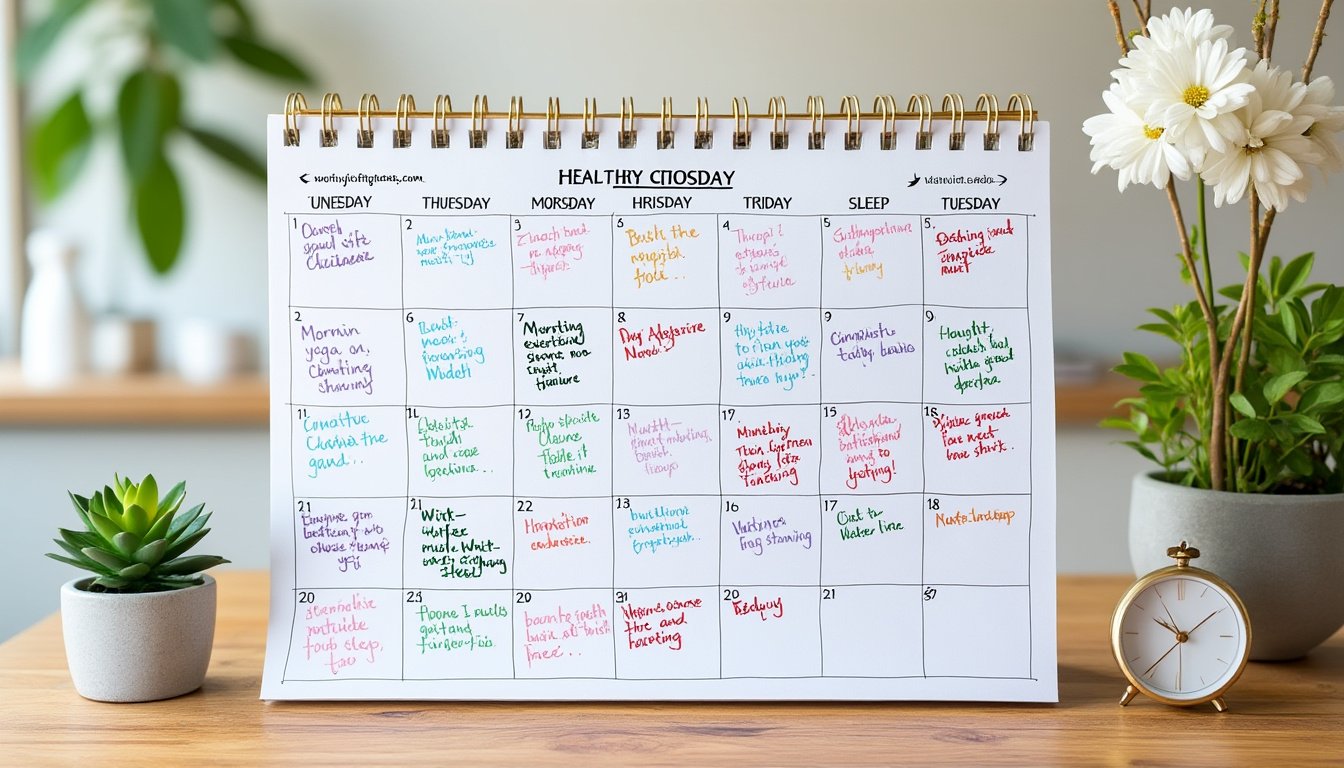
Experts encourage developing personalized routine checklists that consider your lifestyle, seasonal changes, and individual health goals. Here is a suggested daily routine structure that has shown promising results in enhancing immunity:
- Start your day with a glass of water infused with vitamin C-rich citrus or try a quality supplement like Emergen-C for an antioxidant boost.
- Enjoy a nutrient-dense breakfast featuring whole grains, fruits such as grapes or berries, and healthy fats.
- Engage in at least 30 minutes of moderate physical activity, whether walking or an online fitness class.
- Practice mindful hand hygiene multiple times daily, especially after public outings.
- Take short mindfulness breaks to reduce stress and maintain emotional balance.
- Wind down in the evening with relaxing routines to support deep, restful sleep.
Supplementing with trusted brands like Garden of Life and Rainbow Light can complement dietary intake, especially for those with busy schedules or specific nutritional gaps.
For practical examples and scientific validation of these lifestyle habits, readers can access detailed insights via Steris Online’s blog and Yahoo Health’s coverage on immune boosting habits.
Frequently Asked Questions About Boosting Immune System
What are the simplest daily habits to strengthen the immune system?
The most effective include thorough handwashing, consuming nutrient-rich foods, staying hydrated, regular exercise, managing stress, and prioritizing sufficient sleep. Together, these create a holistic approach to immune support.
Can supplements like Emergen-C and Sambucol replace a healthy diet?
Supplements are designed to complement, not replace, a balanced diet. Whole foods provide complex nutrients and antioxidants that supplements alone can’t offer.
How does stress impact immunity and what can I do about it?
Chronic stress elevates cortisol levels, which suppress immune response. Practicing mindfulness, meditation, and physical activity helps lower stress hormones and improve immune health.
Is drinking water really that important for the immune system?
Yes, proper hydration maintains cellular function and the integrity of barriers like mucous membranes, essential to preventing infections.
How often should I exercise to benefit my immune system?
Moderate physical activity most days of the week, about 30 to 45 minutes, optimizes immune function without causing immune suppression associated with overtraining.