



The Critical Role of Social Connection in Women’s Longevity
When discussing longevity, most conversations center around exercise, nutrition, sleep, or supplements. While these components undeniably contribute to a healthy lifestyle, a vital habit often goes unnoticed among women aiming for long life and wellness: social connection.
For over 35 years, health professionals specializing in women’s well-being have observed a consistent pattern: women with strong, meaningful relationships tend to experience better health outcomes and longevity. This isn’t about having a large social circle; rather, it’s about cultivating deep connections that provide emotional support, laughter, and a sense of being truly seen.
Quality relationships fundamentally fulfill a human need for belonging that no fitness routine or diet alone can replicate. Women frequently prioritize career demands, family obligations such as raising children or caring for aging parents, and multiple responsibilities that crowd their schedules in midlife. This makes nurturing friendships easy to neglect—often unintentionally.
Research consistently highlights that individuals with robust social networks show better physical health markers, emotional resilience, and overall life satisfaction. The impact of connection on wellness transcends mood alone; it plays a significant role in preventive health by lowering stress hormones and encouraging positive lifestyle choices. Women who engage regularly with close friends find it easier to maintain other longevity habits like staying physically active or eating mindfully.
For women navigating the complexities of midlife and beyond, investing in social connection is a powerful self-care strategy. It supports longevity not just by promoting emotional well-being but by reinforcing motivation and accountability for healthy lifestyle habits.

Why Midlife Often Leads to Social Disconnection and What It Means for Aging
Women in their 40s and 50s often confront a whirlwind of responsibilities. Balancing demanding careers, parenting teenagers or adult children, caring for elderly parents, managing finances, and maintaining relationships can overwhelm personal time. As schedules fill up, personal friendships tend to slide down the priority list.
This unintentional distancing isn’t due to a lack of value placed on relationships but rather the sheer volume of obligations. Many women assume the opportunity to reconnect will come “later,” only to find years have slipped by without meaningful social engagement.
This phase can be particularly precarious for women’s health because loneliness affects more than just mood. Chronic isolation has been linked with disrupted sleep patterns, heightened stress, decreased immunity, and even diminished motivation for self-care activities like cooking nutritious meals or exercising regularly.
Understanding these dynamics is essential for preventive health. Women who feel isolated despite being surrounded by family or colleagues often experience emotional exhaustion. This fatigue saps the energy needed for maintaining exercise or mindfulness practices, thereby accelerating biological aging processes.
Moreover, friendships offer unique emotional sustenance that family relationships cannot always provide. Friends celebrate personal achievements free from caregiving roles or familial expectations, and they listen without judgment, reinforcing self-esteem and identity beyond daily responsibilities.
Prioritizing and preserving friendships during these years profoundly contributes to vitality and resilience through hormonal changes, career shifts, and lifestyle transitions, ultimately extending women’s healthspan.
How Meaningful Relationships Physically Enhance Longevity and Wellness for Women
Beyond emotional support, meaningful social connections have tangible biological benefits that directly relate to longevity. Studies demonstrate that women who maintain fulfilling relationships exhibit lower cortisol levels, which correlates with reduced chronic inflammation—the root cause of many age-related ailments.
These positive interactions stimulate oxytocin release, a hormone that promotes bonding and feelings of security, which in turn mitigates the harmful effects of stress. Lower stress translates into improved cardiovascular health, better immune responses, and enhanced brain function.
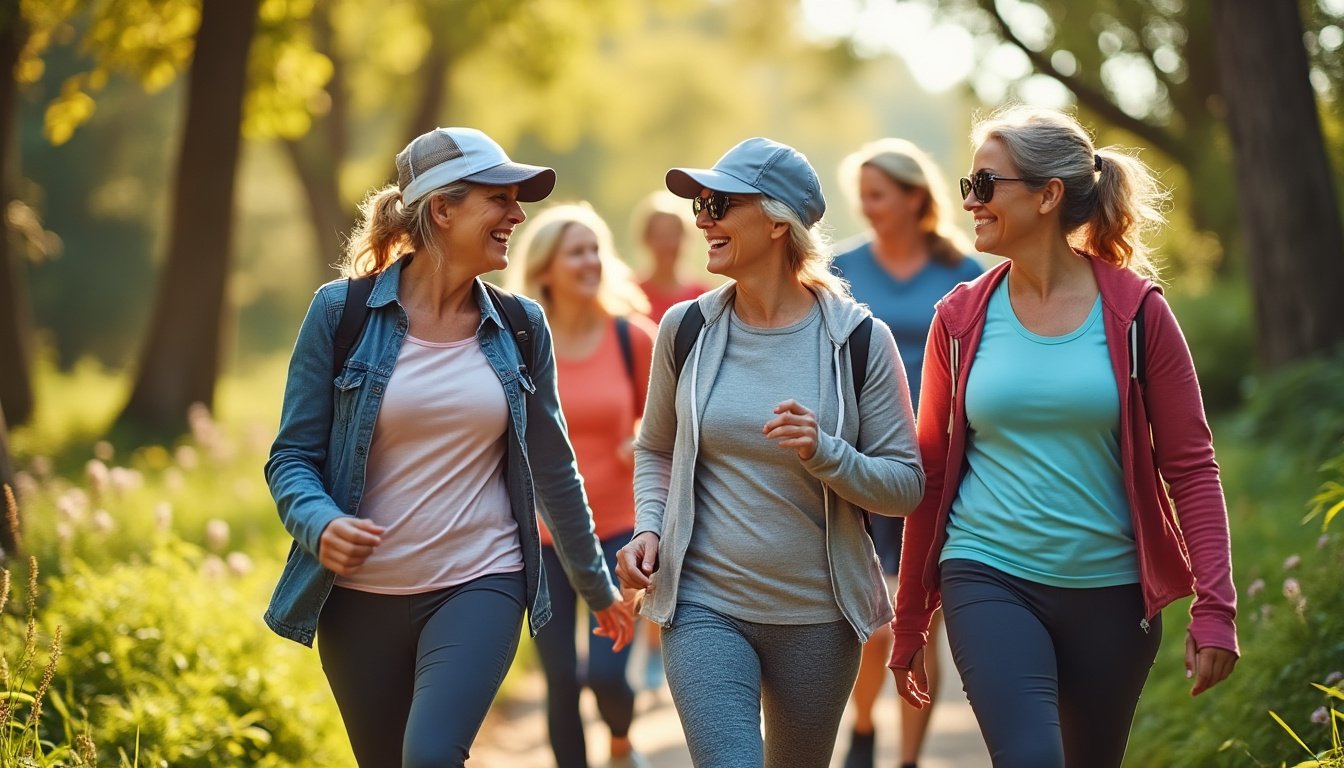
Furthermore, engaging with a supportive social network encourages healthier behaviors as friends influence each other’s habits. When women participate in group classes, walking clubs, or community volunteering, they often find motivation to maintain regular exercise routines and adhere to balanced nutrition.
This synergy between social connection and physical activity establishes a cycle of wellness that fuels both mind and body. It also counters loneliness, which can disrupt sleep and accelerate cognitive decline.
In practice, activities that combine social interaction with movement—such as yoga sessions, fitness classes, or hiking groups—prove profoundly beneficial. These not only improve physical health but cultivate a support system contributing to mental wellness.
Understanding and embracing this interconnected nature of emotional and physical health is crucial for women seeking not just to add years but to add quality and vibrancy to those years.
Key benefits of meaningful social connection for longevity:
- Lower stress and cortisol levels promoting better heart and immune health
- Better emotional resilience and reduced risk of depression
- Encouragement for consistent healthy habits like exercise and mindful eating
- Enhanced brain function and lowered risk of cognitive decline
- Increased feelings of purpose and overall life satisfaction
Strategies to Foster Longevity-Enhancing Connections in Midlife and Beyond
Recognizing the power of social ties for healthy aging is one thing; cultivating them amidst busy lives is another challenge altogether. Yet, building and maintaining close relationships can be achieved through simple, intentional habits that accommodate any schedule.
Women can start by prioritizing connection with the same discipline as exercise or medical appointments. Scheduling weekly catch-ups, coffee dates, or walks with friends transforms socializing into a non-negotiable wellness habit.
Joining groups centered around shared interests—like book clubs, volunteering, or recreational sports—not only facilitates new friendships but integrates exercise and purpose, two pillars of longevity. Walking or fitness classes with friends provide low-pressure social opportunities while boosting physical health.
Taking the initiative to reach out first breaks the cycle of waiting and missed opportunities. Often, one call or message can rekindle relationships previously neglected or spark new connections that enrich everyday life.
An important insight is to remain open to new friendships, acknowledging that meaningful bonds can emerge at any age and stage in life. For women experiencing the empty nest, this phase becomes a golden opportunity to reconnect or create supportive communities.
As women progress through transitions like menopause or career changes, these friendships serve as anchors, providing joy and stability when other aspects of life shift dramatically.
By embedding social connection into daily life, women enhance not only emotional wellness but also extend their healthspan with a powerful longevity habit often overlooked.
Practical tips to strengthen social bonds for longevity:
- Schedule regular social activities with friends or family
- Engage in group fitness or hobby-based clubs
- Incorporate movement-based social activities like walking or dance classes
- Practice vulnerability by sharing feelings and experiences honestly
- Volunteer or participate in community engagement to find purposeful connections

Purpose and Longevity: How Connection Fuels Meaningful Aging
A vital yet subtle component underpinning longevity in women is the sense of purpose, often intertwined with social bonds. Purpose provides motivation, grounding, and a connection to something greater than oneself.
Purpose-centric activities like mentoring, volunteering, or supporting family create natural environments where social connection flourishes. These meaningful interactions help women maintain a drive that positively influences mental health and physical vitality.
This synergy between having a purpose and nurturing relationships directly correlates with reduced mortality and enhanced wellness markers. Women engaged in purposeful roles typically report higher satisfaction rates, resilience to stress, and better management of aging-related transitions.
Beyond the physical benefits, purpose-centered social engagement imbues life with joy and fun, which are often undervalued in conversations about healthy aging. Lighthearted moments and laughter shared with others improve mood, release tension, and contribute to an overall sense of well-being.
Ultimately, integrating purpose with social connectedness creates a holistic longevity habit that sustains women through midlife and beyond, enriching both emotional health and body vitality.
This holistic approach aligns with modern insights into women’s health and mindfulness and is explored in-depth in beyond fitness: a holistic approach to women’s longevity, highlighting how interconnected these dimensions truly are.
Why is social connection so crucial for women’s longevity?
Social connection impacts emotional well-being, stress reduction, and encourages healthy behaviors, all of which contribute to longer, healthier lives in women.
How can busy women prioritize friendships to improve their health?
By scheduling social activities, joining interest groups, and combining movement with social time, women can effectively nurture friendships despite busy schedules.
Does technology replace face-to-face social interaction?
While technology aids communication, in-person interactions provide deeper emotional support and fulfillment essential for well-being and longevity.
What role does purpose play in healthy aging?
Purpose fosters motivation and engagement, which enhances mental and physical health, especially when combined with meaningful social connections.
Can new friendships be formed later in life?
Absolutely. Many meaningful friendships develop during midlife and beyond, offering fresh sources of support and joy.