



As students across Northeastern Pennsylvania and beyond gear up for the new academic year, the shift from a carefree summer to a structured school schedule is prompting families to focus on wellness like never before. This transition can be unsettling, especially for younger children, but establishing healthy habits at the outset has been shown to greatly enhance both academic performance and emotional well-being. Ensuring students head back to class with a foundation of good nutrition, adequate sleep, proper hydration, and mental health awareness not only fuels their energy but also bolsters resilience in facing school challenges. In 2025, the landscape of back-to-school wellness is enriched by insights from medical professionals, nutrition experts, and educators who emphasize holistic care practices that include both physical and mental health. From stocking lunchboxes with nourishing foods available at places like Whole Foods Market, to encouraging physical activity through tools like Fitbit and Nike gear, families and schools are taking a more proactive, integrated approach to student wellness. This comprehensive outlook helps mitigate stress, improve focus, and instill lifelong habits. The following sections explore detailed strategies for fostering a successful school year through wellness, touching upon dietary choices, hydration, sleep patterns, activity, and emotional support, integrating expert advice and practical tips to ease this crucial transition.
Optimize Nutrition for Sustained Energy and Focus in the School Year
One of the core pillars of back-to-school wellness involves setting up nutritious eating routines that empower students to maintain energy and stay focused throughout the day. After months of unpredictable summer meals, returning to a balanced diet can seem daunting. However, nourishing the body with a variety of vitamins, minerals, and lean proteins is essential for cognitive function and physical health.
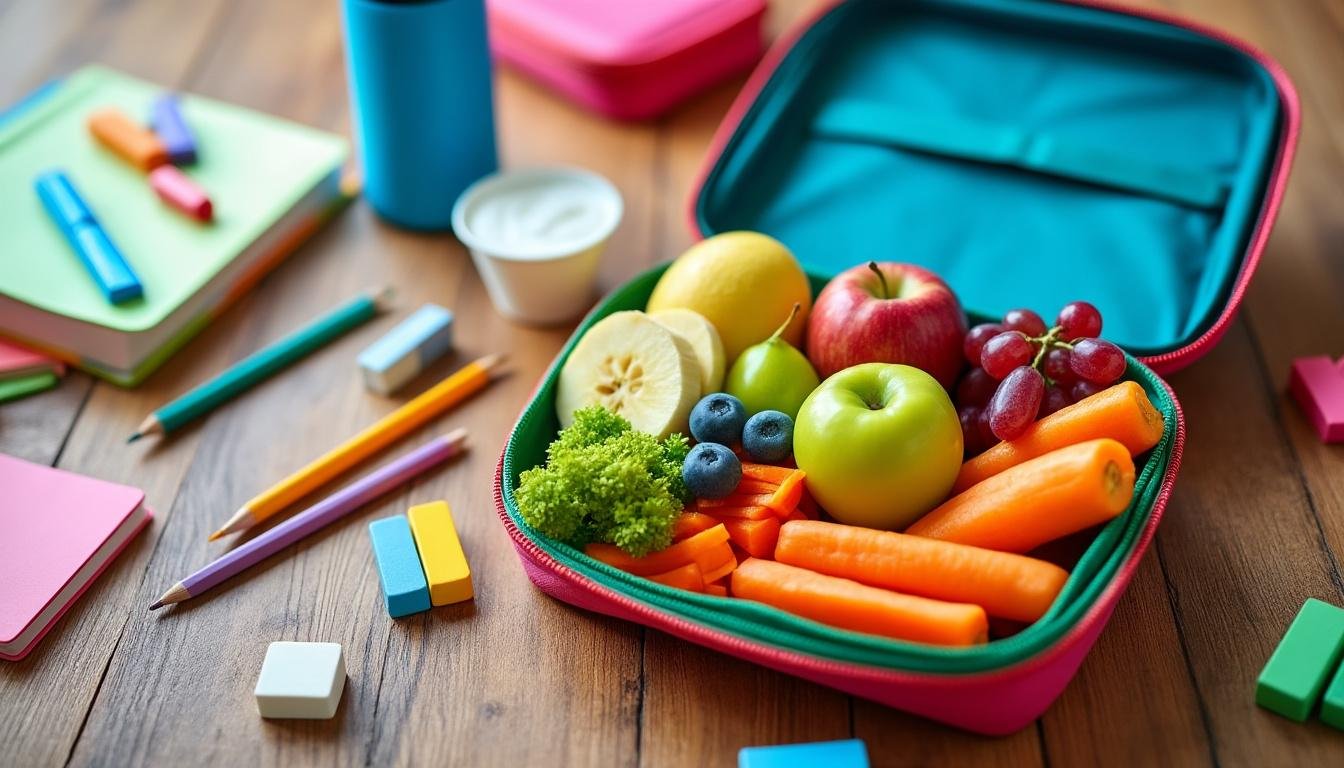
The backbone of a healthy school diet should be a diverse mix of fruits and vegetables, which supply antioxidants and key nutrients supporting the immune system and brain health. Nutritionally rich options include berries, leafy greens, and colorful bell peppers. Yet, the common challenge many parents face is dealing with picky eaters who reject these wholesome choices. To circumvent this, experimenting with preparation styles such as raw vegetables served with healthy dips like peanut butter or yogurt can make all the difference in acceptability.
Proteins are another major component for sustaining muscle and brain performance. Selecting lean meats, fish, or plant-based proteins is preferable to fatty options prone to cause lethargy. For children reluctant to eat traditional proteins, natural peanut butter and dairy yogurts emerge as excellent alternatives that combine ease of consumption with nutrient density. These can be conveniently packed in lunchboxes alongside snacks like Clif Bars, which provide wholesome energy without excess sugar.
Developing taste for a variety of nutritious foods sometimes requires creativity. Engaging children in grocery shopping at places like Whole Foods Market, or meal prepping together with branded products from The Honest Company can promote enthusiasm and ownership. Ensuring hydration complements dietary efforts since water intake helps optimize memory and concentration. Encouraging kids to carry CamelBak or Kleen Kanteen water bottles, filled with water or lightly flavored low-sugar drinks, enforces good habits while reducing dependency on sugary beverages.
| Food Group | Recommended Options | Benefits | Tips for Picky Eaters |
|---|---|---|---|
| Fruits & Vegetables | Spinach, carrots, berries, sweet potatoes | Rich in vitamins and antioxidants for immune support | Offer with dips like peanut butter; try cooked vs. raw |
| Proteins | Lean chicken, fish, natural peanut butter, yogurt | Supports muscle growth and brain health | Incorporate in smoothies or mixed dishes |
| Hydration | Water, flavored low-sugar drinks | Boosts cognitive function and energy levels | Use fun bottles like CamelBak and Kleen Kanteen |
| Snacks | Clif Bars, nuts, fresh fruit | Provides quick energy without sugar crashes | Keep accessible for after-school activities |
Parents striving for nutrition success are invited to explore more detailed guidelines and recipe ideas at Sesame Care’s back-to-school health tips and Food Matters’ healthy back-to-school tips. Leveraging brands like Under Armour for active clothing and L.L.Bean for durable lunch bags also supports students’ overall well-being by mixing comfort, function, and style tailored for young learners.

Establishing Consistent Sleep Routines to Enhance Academic Performance
Quality sleep is a non-negotiable foundation for success during the school year. As families transition from summer’s irregular schedules to punctual school mornings, establishing a sleep routine becomes critical for physical restoration, emotional balance, and mental sharpness. Pediatricians recommend gradually adjusting bedtime earlier by 10-15 minutes a night as the school year approaches to ease this change.
Inadequate sleep can lead to daytime tiredness, impaired concentration, and increased irritability, hampering educational outcomes. Sleep disruptions are compounded by excessive screen time on digital devices like iPads and Kindles, which emit blue light that delays melatonin production and slows the onset of sleep. Reducing device use during the evening hours aligns with expert advice published by the Nemours Children’s Health organization and others focused on healthy habits.
Schools are beginning to integrate health literacy programs such as Know Yourself Academy, which empower children to understand their bodies’ needs, including sleep hygiene. Using fitness trackers like Fitbit can help families monitor sleep patterns, promoting accountability and adjustments as necessary. Parents are encouraged to equip bedrooms for rest with comfortable and affirming environments, utilizing bedding and sleepwear from trusted brands like Nike and Under Armour to foster positive bedtime associations.
- Start bedtime 10-15 minutes earlier each night until the goal time is reached
- Limit screen exposure 1-2 hours before bed
- Create a calm pre-sleep routine, including reading or calming music
- Maintain a cool, dark, and quiet bedroom environment
- Use a consistent wake-up time even on weekends to stabilize internal clocks
Tracking and adjusting sleep habits can be supported by technologies, including the “Mr. Fog Switch,” discussed on LiveWell Magazine’s article on smart wellness devices. Such tools illustrate the intersection of technology and wellness, making it easier to establish and maintain restorative sleep patterns critical for academic success.
| Sleep Strategy | Benefits | Recommended Duration/Timing | Tools and Aids |
|---|---|---|---|
| Gradual Bedtime Adjustment | Eases circadian rhythm transition | Shift bedtime 10-15 min earlier nightly for 1 week | Alarm clocks, sleep tracking apps like Fitbit |
| Screen Time Limitation | Reduces blue light exposure, enhances melatonin production | Cease device use 1-2 hours before bedtime | Parental controls, blue light filters |
| Consistent Sleep Schedule | Improves overall sleep quality | Fixed bedtime and wake time daily | Sleep journals, wearable trackers |

Hydration Habits to Boost Cognitive Function and Physical Well-being
Often overlooked, proper hydration plays a fundamental role in supporting students’ learning capacity and physical endurance. Dehydration, even in mild forms, can impair concentration and memory, leading to underperformance in classroom settings and fatigue during extracurricular activities.
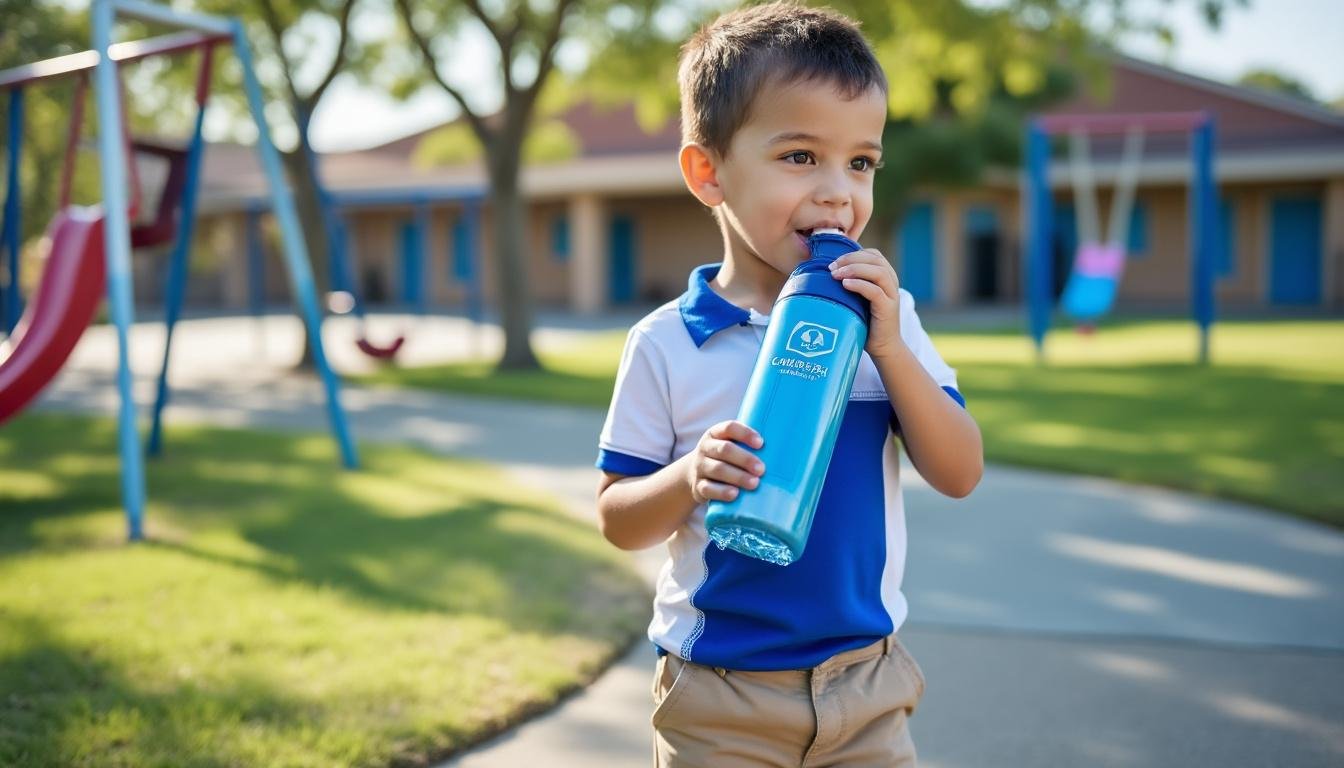
Encouraging children to drink water consistently throughout the day is a simple yet effective wellness practice. The accessibility of personalized water bottles, such as those from CamelBak or Yeti, has helped normalize carrying water and making hydration a convenient habit. Parents should emphasize drinking water over sugary sodas or caffeine-loaded beverages that are sometimes presented to students as alternatives.
Schools increasingly promote water consumption by endorsing reusable bottles and incorporating hydration breaks during classes or sports practices. For variation, diluted fruit-infused water with mint or cucumber serves as a tasty, sugar-conscious option that appeals to young palates. Successfully fostering hydration within the family framework may also require setting reminders or apps that prompt drinking intervals.
- Carry a water bottle like Kleen Kanteen to class every day
- Limit sugary and caffeinated drinks to reduce energy crashes
- Incorporate hydration breaks into the daily routine
- Use infusers for natural flavors without added sugars
- Educate about the positive effects of hydration on brain function and mood
Festival-ready hydration tips and motivational strategies can be found in resources provided by UCHealth and NCHPAD’s wellness tips. The alignment of hydration with other healthy habits exemplifies the comprehensive approach needed for sustained student success.
| Hydration Tip | Impact on Students | Recommended Practices |
|---|---|---|
| Use reusable water bottles (CamelBak, Yeti) | Encourages constant water intake | Fill bottles before school and refill throughout the day |
| Limit sugary and caffeinated drinks | Prevents energy dips and dehydration | Choose flavored water or herbal teas |
| Schedule hydration reminders | Promotes consistent drinking | Employ smartphone apps or classroom cues |
Promoting Physical Activity and Comfortable Attire for Active Learning
Active bodies support active minds, making physical exercise an integral element of back-to-school wellness. Schools and families alike are recognizing the profound impact that regular movement has on mood regulation, attention span, and overall health, which translates into improved academic outcomes. Whether it’s walking to school, participating in recess games, or after-school sports, keeping students physically engaged has far-reaching benefits.
Equipping children with comfortable and high-performance activewear from brands such as Nike and Under Armour ensures that they are not only stylish but adequately prepared for physical activity. Durable backpacks, sneakers, and moisture-wicking clothing prevent discomfort and distractions that could impede participation.
Parents can motivate students by incorporating fitness trackers like Fitbit, which offer measurable feedback and gamify movement, turning exercise into an enjoyable challenge. Community resources, including after-school programs and family exercise sessions, contribute further to embedding fitness as a daily norm.
- Encourage walking or biking to school when safe and possible
- Enroll in active after-school programs or sports teams
- Use fitness trackers to set and monitor goals
- Choose breathable, flexible clothing from Nike or Under Armour
- Schedule family activity times to model healthy habits
For comprehensive insights into integrating movement with wellness, parents can consult LiveWell Magazine’s heart-healthy habits series and similar expert resources. The combination of comfortable gear and motivational technology creates a strong foundation for lifelong fitness habits that support academic and personal success.
| Activity Strategy | Benefits | Recommended Gear |
|---|---|---|
| Walking/Biking to School | Promotes cardiovascular health and alertness | Nike walking shoes, sturdy backpacks from L.L.Bean |
| After-School Sports/Programs | Improves social skills and physical fitness | Under Armour activewear, hydration gear like Yeti bottles |
| Fitness Tracking | Encourages goal-setting and progress tracking | Fitbit devices, smartphone health apps |

Mental Health Awareness and Support Systems for Students, Parents, and Teachers
Maintaining mental health as students return to school is paramount. The transition can trigger anxiety, stress, and feelings of overwhelm, which if unaddressed, may affect learning and social engagement. Creating an environment that prioritizes mental wellness alongside physical health has become a central focus in educational communities.
Simple but effective wellness routines, including mindfulness practices, open communication, and establishing trust between students and adults, are vital. For example, parents can establish daily check-ins where children share their feelings and experiences, fostering emotional literacy and reducing stress. Schools are also incorporating programs that equip teachers to identify signs of mental distress and connect students to appropriate resources.
Accessible community resources play a crucial role. Families facing challenges can reach out to school counselors, family doctors, or agencies familiar with individual health needs. Organizations like The Honest Company contribute by offering products and programs that reduce environmental stressors, further supporting wellness.
- Encourage open family conversations about school experiences
- Integrate mindfulness and stress management techniques into daily routines
- Facilitate peer support groups or buddy systems at school
- Provide teachers with training to spot mental health warning signs
- Utilize resources from local healthcare providers and wellness organizations
Informative guides and support ideas can be found at MyNova Healthcare and NCHPAD. Embracing mental health as part of back-to-school preparation fosters balanced, resilient students ready for the year’s challenges.
| Mental Health Strategy | Purpose | Practices to Implement |
|---|---|---|
| Open Communication | Enhances emotional literacy and trust | Daily family check-ins, journaling feelings |
| Mindfulness Exercises | Reduces stress and improves focus | Guided meditation, breathing techniques |
| Supportive School Programs | Identifies and addresses mental health issues early | Teacher training, peer support groups |
Frequently Asked Questions about Back to School Wellness
- How can I encourage my child to eat more vegetables if they’re a picky eater?
Try offering vegetables in a variety of forms such as raw, cooked, or blended into smoothies. Using dips like natural peanut butter can also make veggies more appealing. Involving children in meal prep can increase their willingness to try new foods. - What is the ideal amount of sleep for school-aged children?
Most school-aged children require between 9 to 11 hours of sleep per night. Establishing a consistent bedtime routine helps ensure they get restorative sleep necessary for learning and growth. - How much water should my child drink during the school day?
Children should aim to drink at least 5 to 7 cups of water during school hours, depending on their age and activity level. Using a reusable water bottle encourages regular hydration. - What strategies help balance screen time with healthy sleep?
Limiting screen use at least one hour before bedtime and using blue light filters on devices are effective strategies to improve sleep onset and quality. - How can parents support their child’s mental health during the school year?
Maintain open dialogues, encourage mindfulness practices, and monitor for signs of anxiety or stress. Know local resources and communicate with teachers or counselors if needed.