


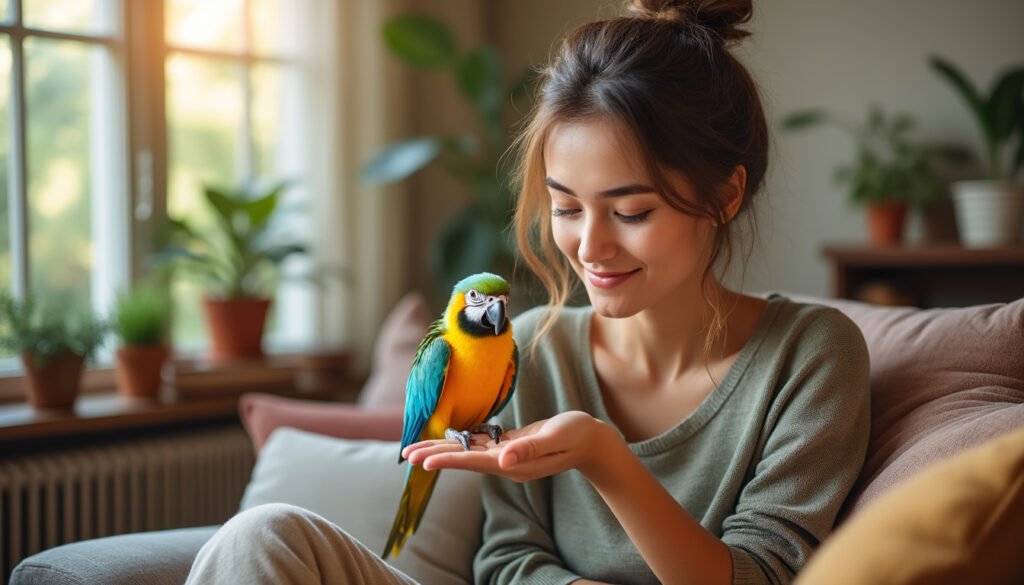
When traditional emotional support animals like dogs or horses fall short in addressing the needs of individuals facing anxiety, autism, or PTSD, an unexpected companion is quietly making a difference in France. Despite being widely recognized in hospitals, retirement homes, and airports, this alternative pet remains largely unknown to the public but offers promising benefits for mental health support through pet therapy and animal-assisted therapy.
The Miniature Pig: A Little-Known Hero for Anxiety Relief and Autism Support
Emerging from an unusual spot in the realm of emotional support animals, the miniature pig—often called the mini pig or dwarf pig—is gaining recognition for its remarkable ability to soothe mental health challenges. Neuroscientists like Lori Marino and Christina Colvin highlight that these pigs not only perceive human attention and understand pointing gestures but also express diverse emotions, making them highly attuned companions. As described by the American Mini Pig Association, these calming pets have demonstrated efficacy in reducing anxiety symptoms, aiding in autism support, and alleviating signs of PTSD.

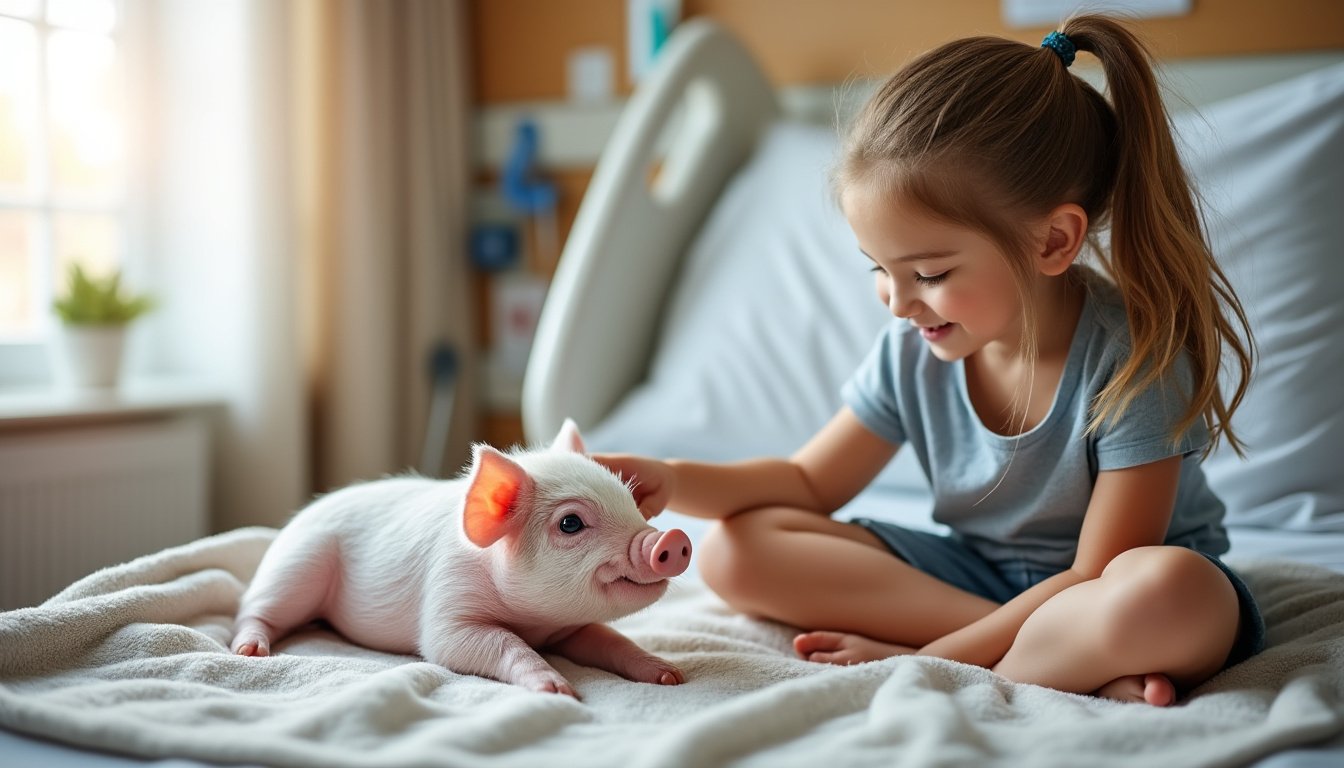
Intelligence and Temperament: Why Mini Pigs Make Exceptional Mental Health Pets
Adult miniature pigs typically weigh between 30 and 70 kilograms and reach about 35 to 50 centimeters at the shoulder—comparable in size to a large dog but with a stockier build. Their lifespan can approach two decades, allowing for long-term companionship. According to evolution biologist Marc Bekoff, these animals are curious, playful, and capable of complex problem-solving, from memorizing important locations to navigating mazes.
Psychologist Mary Bates adds that mini pigs’ eagerness to interact extends even to playing simple video games, where social rewards like petting and praise motivate them beyond tangible treats. This predisposition for connection and learning makes them a solid foundation for emotional support in therapeutic environments.
How Miniature Pigs Offer Real Benefits in PTSD Therapy and Emotional Regulation
Mini pigs are increasingly integrated into therapy programs across a variety of settings, from airports and hospitals to schools specialized in autism care. These calming pets provide a unique sensory experience: brushing their coarse skin and feeling their stable body weight provides a soothing effect that helps slow down physiological symptoms during anxiety attacks. In PTSD cases, their attentive and gentle nudging can interrupt flashbacks, grounding patients in the present moment without overwhelming physical interaction.
For autistic children, the American Mini Pig Association notes these animals encourage vocalization and reduce agitation through gentle pressure, offering a deep touch sensory input that contrasts favorably with bigger, sometimes more unpredictable animals like large dogs.
Navigating France’s Emerging Landscape for Emotional Support Animals
Despite their benefits, miniature pigs occupy a grey zone in French law, which does not currently define emotional support animals explicitly. Mental health experts stress that mini pigs should be used as part of well-structured animal-assisted therapy rather than as spontaneous solutions. Pet therapy incorporating these calm companions requires careful selection, training, and monitoring to maximize benefits and minimize potential challenges.
As society’s understanding of animal-assisted therapy deepens, the potential of mental health pets like miniature pigs could soon be harnessed more widely, offering fresh hope for anxiety relief and emotional support where traditional pets might not suffice. This evolution underlines the importance of comprehensive guidance to ensure safe and therapeutic interactions, especially for vulnerable populations.