


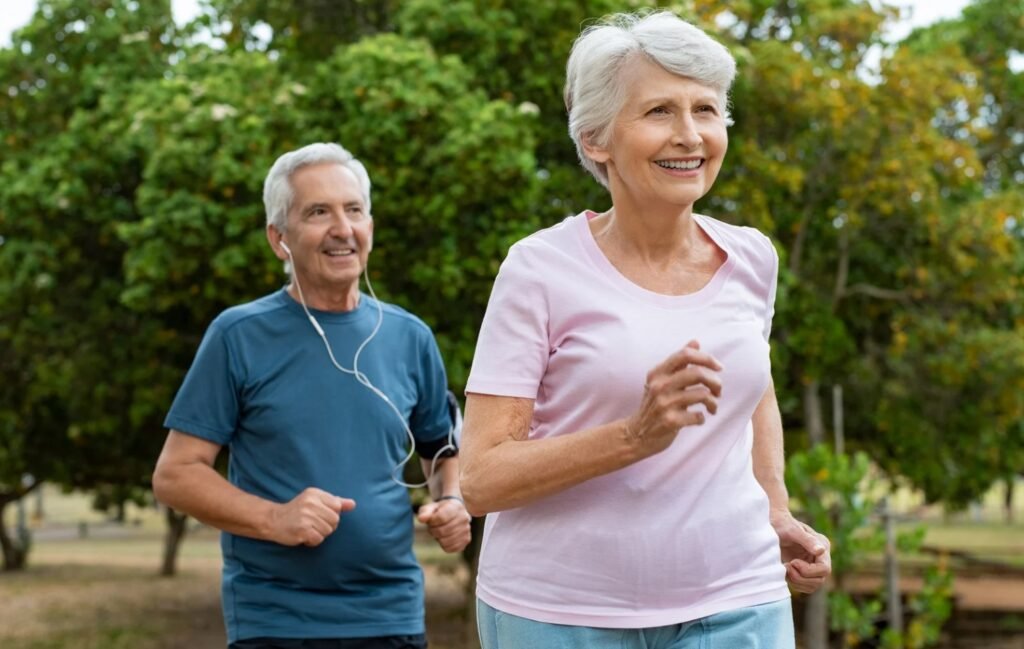
Forget the outdated idea that aging means slowing down. All over the world, seniors in their 70s, 80s and beyond are breaking boundaries — running, lifting weights, and dancing with more energy than people half their age. The new face of healthy aging is strong, vibrant, and fiercely independent. So, is 80 really the new 50? Let’s meet the people making that statement feel true.
The rise of active seniors: A health revolution
Over the last decade, we’ve seen a steady increase in seniors adopting fitness routines, plant-rich diets, and performance goals once thought only for younger generations. This shift is driven by better access to health education, longer life expectancy, and the desire to live fully — not just longer.
- In the U.S., over 50% of adults aged 65+ now engage in moderate physical activity at least twice a week.
- Fitness programs tailored to seniors — such as aqua aerobics, tai chi, or resistance bands — are booming.
- Nutrition awareness is rising, with many older adults opting for anti-inflammatory and protein-rich diets.
This cultural transformation shows that aging can be redefined through movement, nutrition, and purpose.
Meet the role models changing perceptions of aging

Maria, 84 — The morning swimmer
Every day at 6:00 am, Maria swims 30 laps at her local pool. A retired schoolteacher, she credits swimming with keeping her joints pain-free and her mood elevated. “I don’t do it to impress anyone,” she says. “I do it to stay in love with life.”
George, 79 — The community fitness coach
After retiring from his accounting job, George became a certified senior fitness instructor. He now leads strength and mobility classes three times a week. “I lift weights not to build muscle, but to keep my independence,” he explains.
Claire and Alain, 82 and 87 — The hiking couple
This French couple started hiking in the Alps at age 70 and now log over 150 km each summer. Their routine? Light strength training, Mediterranean-style meals, and daily stretching. “We’re not trying to look young. We’re just trying to feel alive,” Claire says with a smile.
How bodies evolve with age — and how to adapt your routine
Aging comes with physiological changes:
- Muscle mass declines (up to 1% per year after 50)
- Bone density weakens, increasing fall risk
- Recovery times are longer
- Joint stiffness and flexibility challenges may appear
But with the right approach, seniors can maintain strength, boost balance, and even build muscle.
Tips for adapting fitness at 70+:
- Focus on low-impact strength training (bodyweight, resistance bands, light dumbbells)
- Include mobility and balance exercises (yoga, tai chi, standing leg lifts)
- Practice active recovery and prioritize sleep and hydration
The goal isn’t performance — it’s functional freedom.
Nutrition, movement, and mindset: The new formula for aging well
Healthy aging relies on more than workouts. It’s a holistic blend of movement, nourishment, and mental resilience.
Here’s how seniors can support long-term health goals:
Here’s how seniors can support long-term health goals:
- Eat a diet rich in plant proteins, omega-3s, calcium, and fiber
- Stay consistent with movement — even short daily walks matter
- Practice stress-reducing habits like meditation, journaling, or nature time
- Keep the brain engaged with lifelong learning and social interaction
And above all: maintain a growth mindset. It’s never too late to try something new or improve your quality of life.
Final thoughts: Embrace the new era of empowered aging
The people redefining aging today aren’t superheroes. They’re simply individuals who chose to listen to their bodies, stay curious, and prioritize well-being. At 80, you may not be training for a marathon — but you can still feel strong, mobile, and mentally sharp. Aging isn’t a decline. It’s an evolution — and your best chapter may just be starting now.